

 实景预览
实景预览
 切换至版画销售渠道
 分享
分享 分享
分享
 详情
详情 指南
指南

 下载作品
下载作品
 相似作品
相似作品 X射线
X射线 幻灯片播放
幻灯片播放 问答
问答 统计数据
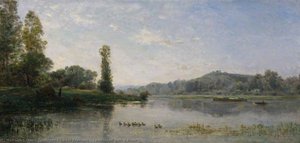
统计数据When Flooded Fields Reflect Departing Day

- 82.0 x 96.0 cm


George Harold Harrison (1943-2001) was a pivotal figure in the evolution of popular music, renowned for his pioneering use of Indian instrumentation and his introspective songwriting style. He achieved international fame as a Beatle and continued to produce acclaimed solo albums throughout his career.
Harrison’s artistic vision drew heavily from Hindu philosophy and his travels exploring Eastern
 展开全文
展开全文
George Harrison (1943-2001): Beatles legend & spiritual seeker. Pioneered Indian music, slide guitar & introspective songwriting with iconic hits.
获取远超网页预览效果的印刷级文件。我们销售的每一张数字图像均源自库存数据库中的高分辨率母版——宽度通常在 5,000 至 15,000 像素之间——因此您可以放心地进行大幅打印、局部裁剪或还原细腻的细节。
每一件作品在离开我们的工作室前都经过了精心的处理。数字影像专家会对照原作核对色彩,并在必要时进行校正,随后利用专业修图工具提升清晰度与细节表现——且始终忠实于艺术家的笔触与风格。最终呈现的图像宛如原作本身,而非仅仅是一张加了滤镜的扫描件。
您可以在最终定稿前进行审核:我们的专家将在 72 小时内通过电子邮件向您发送图像以供审阅。如果不满意?您可以要求改进或修正;若质量未达预期,亦可申请退款。
这也是出版商、设计工作室、画廊及印刷厂所信赖的品质。
每份数字图像订单均包含的内容
专业级数字交付,品质保障
选择 TopImpressionists.com,您获得的不仅仅是一张图像——您收到的是经过专业级增强、精雕细琢的数字艺术作品,并享有满意保证。以下是您的订单中自动包含的所有内容:

邮件即时送达
您的高分辨率数字图像文件将在下单后 72 小时内通过电子邮件发送给您 —— 即可立即使用。

AI 增强型数字文件
您的艺术品经过专业优化,结合先进的 AI 技术与人工修饰,确保呈现极致的细节、清晰度与色彩准确度。

终身免费重发服务
不小心删除了文件或找不到了?没关系——我们将随时为您免费重发。

无需进口税费,始终如一
即刻拥有您的艺术作品,无需支付任何关税、税费或运费——数字下载始终免税。

色彩精准保障
我们通过专业工具与色彩管理技术,确保您的数字图像尽可能真实地还原原作色彩。

100天满意保证
如果您对所购数字图像不满意,我们将在100天内为您进行修改或提供100%的全额退款——无需任何理由。

100% 退款保证
不满意?在收到数字文件后的100天内,您可以申请全额退款——无需任何理由。

批量订购优惠
购买 3 张享 10% 折扣 - 购买 5 张享 15% 折扣 - 购买 10 张以上享 20% 折扣。非常适合创意项目、画廊及机构使用。
When Flooded Fields Reflect Departing Day – A Symphony of Light and Tranquility
George Harrison’s “When Flooded Fields Reflect Departing Day” isn't merely a landscape painting; it’s a distillation of mood, memory, and the profound connection between humanity and nature. Executed in 1950 by Alfred East Art Gallery, this tonalist masterpiece captures a quintessential English autumnal evening – a scene bathed in the melancholic beauty of fading sunlight over a tranquil flooded meadow. The artist's meticulous attention to detail isn’t about capturing every blade of grass or individual leaf; instead, he strives to convey an atmosphere of serene contemplation and quiet reverence for the natural world.- Composition & Perspective: The horizontal orientation dominates the canvas, mirroring the expansive horizon line and the calm surface of the water. Trees strategically positioned in the foreground provide depth and scale, while a meandering river acts as a visual conduit, reflecting the ethereal hues of the sunset sky. Atmospheric perspective subtly diminishes distant hillsides, reinforcing the illusion of distance and creating a sense of profound tranquility.
- Color Palette & Technique: East’s masterful use of muted earth tones – predominantly grey-blue for the water and sky – is punctuated by delicate splashes of pink and orange from the setting sun. The tonalist technique—characterized by blending colors directly onto the canvas—creates soft transitions and emphasizes the diffused light conditions of dusk. Visible brushstrokes contribute to a textured surface that evokes the roughness of foliage and the fluidity of water, capturing the essence of the moment with remarkable sensitivity.
- Symbolism & Emotional Impact: The flooded field itself symbolizes resilience and abundance amidst adversity—a visual metaphor for enduring beauty despite passing time. Simultaneously, the departing sun embodies closure and reflection, prompting viewers to contemplate the ephemeral nature of existence. Harrison’s intention was not simply to depict a picturesque landscape but to evoke an emotional response rooted in nostalgia and appreciation for the sublime.
- Historical Context: Painted during the Edwardian era, “When Flooded Fields Reflect Departing Day” reflects the prevailing artistic sensibilities of its time—a move away from hyperrealism towards tonalism and Impressionism, prioritizing mood and atmosphere over precise representation. It exemplifies East’s signature style, blending meticulous observation with expressive brushwork to achieve a harmonious blend of realism and emotion.
- Materials & Craftsmanship: Crafted on canvas using oil paints—a technique favored by artists seeking luminosity and textural richness—the painting demonstrates exceptional craftsmanship. The artist's careful layering of pigments ensures that the colors retain their vibrancy over time, preserving the artwork’s original beauty for generations to come.
常见问题与解答
“When Flooded Fields Reflect Departing Day”整体色调是偏明亮还是偏暗?
George Harrison 的《When Flooded Fields Reflect Departing Day》 的亮度记录为 brilliant,亮度值为 Bright Balance。
哪里可以买到George Harrison 的《When Flooded Fields Reflect Departing Day》的手绘复制品?
您可以在George Harrison 的《When Flooded Fields Reflect Departing Day》的手工油画复刻页面直接订购其手绘复制品:亚麻画布手工油画复制品,按需定制。
是否可以下载"When Flooded Fields Reflect Departing Day"的高分辨率版本?
您可以在 George Harrison 的《When Flooded Fields Reflect Departing Day》 的 高分辨率数字图像 页面购买其数字图像:高分辨率数字图像下载。




艺术家简介
A Quiet Revolution: George Harrison, Musician and Spiritual Seeker
George Harold Harrison, born February 25, 1943, in Liverpool, England, wasn't merely “the quiet Beatle.” He was a pivotal figure in the evolution of popular music, a deeply spiritual individual whose journey profoundly shaped both his art and the cultural landscape of the 20th century. His story is one of subtle power, artistic growth blossoming within the confines of an iconic band, and ultimately, a triumphant solo career that cemented his place as a musical icon. Growing up in a working-class family in Wavertree, Liverpool, Harrison’s early life was steeped in the sounds of post-war Britain. While his peers were captivated by American rock ‘n’ roll pioneers like Elvis Presley and Chuck Berry, his mother's fondness for Indian classical music subtly planted a seed that would later blossom into a defining characteristic of his musical identity.
His initial foray into music began at the age of fourteen with self-taught guitar lessons, fueled by an instinctive passion. This dedication led him to Paul McCartney, and through him, to John Lennon’s skiffle group, The Quarrymen – the nascent form of what would become the most influential band in history. Joining The Beatles was a transformative experience, yet initially, Harrison found himself somewhat overshadowed by the dominant songwriting partnership of Lennon and McCartney. For years, his creative contributions were limited, but this period wasn't one of dormancy; it was a time of intense musical apprenticeship, honing his guitar skills and absorbing the collaborative energy that defined the band’s early sound. As The Beatles evolved, so too did Harrison’s role within the group. From 1965 onwards, he began to assert his songwriting voice, offering tracks like “Taxman,” a wry commentary on British taxation, and increasingly complex compositions reflecting a growing maturity.
From Shadows to Sunlight: Musical Evolution and Spiritual Exploration
The mid-to-late 1960s witnessed a significant shift in Harrison’s musical contributions. Inspired by his travels and deepening interest in Indian culture, he introduced the sitar and other Eastern instruments into The Beatles' music, broadening their sonic palette and influencing countless musicians to follow. Songs like “Within You Without You” showcased his burgeoning spiritual exploration, drawing heavily from Hindu philosophy and incorporating traditional Indian instrumentation. This period also saw Harrison’s guitar playing evolve; he developed a distinctive style characterized by its melodic phrasing and innovative use of slide guitar, adding texture and depth to the band's sound. The influence of artists like Ravi Shankar became increasingly apparent, leading to collaborative projects that further blurred the lines between Eastern and Western musical traditions.
A Solo Voice Emerges: All Things Must Pass and Beyond
Following the Beatles’ breakup in 1970, Harrison embarked on a remarkably successful solo career. The release of *All Things Must Pass*, a sprawling triple album, marked a watershed moment, showcasing his songwriting prowess and establishing him as a force to be reckoned with outside the confines of the band. The album spawned numerous hit singles, including “My Sweet Lord,” which became one of the biggest-selling songs of all time, and demonstrated a newfound confidence and artistic freedom. Throughout the 1970s and beyond, Harrison continued to explore diverse musical styles, incorporating elements of rock, blues, gospel, and Indian classical music into his work. He organized the groundbreaking Concert for Bangladesh in 1971, a pioneering benefit concert that raised funds for refugees and demonstrated his commitment to humanitarian causes.
Legacy: A Quiet Influence on Music and Spirituality
George Harrison’s legacy extends far beyond his contributions as a Beatle. He was a visionary artist who fearlessly explored new musical territories and championed spiritual enlightenment through his music. His pioneering use of Indian instrumentation, his introspective songwriting, and his unwavering commitment to social justice left an indelible mark on popular culture. The Traveling Wilburys, formed in the late 1980s, further showcased his collaborative spirit and enduring talent. Though he faced personal challenges, including a near-fatal stabbing in 1999, Harrison remained a source of inspiration for generations of musicians and fans alike. His death in 2001 marked the loss of a true musical innovator, but his music continues to resonate with listeners worldwide, reminding us of the power of creativity, compassion, and spiritual exploration.

George Harrison
1943 - 2001