

 实景预览
实景预览
 分享
分享 分享
分享
 详情
详情 指南
指南

 下载作品
下载作品
 相似作品
相似作品 X射线
X射线 幻灯片播放
幻灯片播放 问答
问答 统计数据
统计数据Landscape

- 71.0 x 91.0 cm

Explore George Houston’s serene ‘Landscape’ oil painting – a captivating 1904 Scottish scene of rolling hills & a tranquil river valley. Impressionistic style, warm tones, & atmospheric depth.
Explore the impactful art of George Houston, a pioneering American artist known for his evocative depictions of rural life & social commentary. Discover his unique style today!
 展开全文
展开全文
艺术微喷/版画
博物馆级艺术微喷或帆布版画,制作高效,并提供多种饰面选择。 ( 订购纯手工绘制画作 切换至数字图像销售渠道)




































标准尺寸
定制
CM
INCH
您可以从与原作比例一致的预设尺寸中进行选择。
Loading sizes...

宽度
高度
请输入您所需的宽度和高度,以适配您的画框或墙面。由于印刷品只能进行裁剪,无法超出原图尺寸,因此若比例不一致,画面的一部分将会被裁切。在正式印刷之前,我们会为您发送一份数字效果图供您确认。本页面显示的图片并非最终裁剪后的效果——只有效果图才能展示真实的裁剪情况。


 玻璃选项仅适用于110厘米以下的尺寸。

Landscape
艺术微喷/版画
复刻品尺寸
-


最终结算价
¥ 469


艺术家简介
George Houston: A Painter of Highland Light
George Houston (1869 – 1947) wasn’t a name that immediately resonates within the grand halls of art history, yet his canvases hold a quiet power—a profound connection to the landscapes and people of Ayrshire and beyond. Born in Dalry, Scotland, a small village nestled amidst rolling hills and lochs, Houston's life was inextricably linked to the land he so faithfully depicted. His artistic journey wasn’t one of dramatic innovation or revolutionary style; instead, it unfolded with a deliberate focus on capturing the essence of his native region, imbued with a sensitivity that belied his technical skill.
Houston’s early education took place at Saltcoats Public School and Glasgow School of Art. This grounding in both traditional instruction and artistic exploration proved crucial to his development. He initially worked as a lithographic artist in Glasgow, honing his observational skills and developing a keen eye for detail. However, it was his relocation back to Dalry and the establishment of a studio that truly ignited his creative spirit. He spent much of his life painting the familiar landscapes of Ayrshire – the rugged coastline, the expansive moorlands, and the serene lochs—but also ventured into the Inner Hebrides and around Loch Fyne, broadening his palette and deepening his understanding of Scotland’s diverse beauty.
His artistic style can be characterized as a refined brand of landscape painting. Houston wasn't interested in dramatic sunsets or tempestuous storms; rather, he sought to capture the subtle shifts of light and atmosphere that define the Highland environment. He favored a bright palette—dominantly blues, greens, and yellows—and skillfully rendered snow scenes with remarkable clarity and luminosity. His compositions often featured expansive vistas, drawing the eye into the distance and creating a sense of tranquility and solitude. Houston’s work is deeply rooted in observation, reflecting a profound connection to his surroundings.
The Influence of Neil Munro and Literary Connections
Houston's artistic life was intertwined with that of another prominent figure from Ayrshire: writer Neil Munro. The two formed a close friendship during the 1880s, and Munro’s novel, “Ayrshire Idylls,” became a significant influence on Houston’s work. Munro’s evocative descriptions of rural life provided a literary counterpart to Houston's visual explorations, and Houston himself illustrated Munro’s book, solidifying their creative partnership.
Beyond Munro, Houston drew inspiration from the Scottish literary tradition, particularly the Romantic poets who celebrated the beauty and power of nature. The influence of artists like Turner and Constable, masters of capturing atmospheric effects, is also evident in Houston's work. He wasn’t simply copying landscapes; he was translating his personal experience of them into a visual language that resonated with both artistic tradition and emotional depth.
A Royal Recognition: Academy Membership
In 1909, George Houston received the prestigious recognition of becoming an Associate of the Royal Scottish Academy (RSA), followed by full Academician status in 1925. This honor acknowledged his significant contribution to Scottish art and validated his artistic vision. The RSA membership was a testament to the growing appreciation for his work within the established art world, marking a pivotal moment in his career.
His paintings were exhibited widely throughout Scotland, gaining recognition from critics and collectors alike. Notable works such as “An Ayrshire Landscape,” now held by the Glasgow Museums, exemplify his skill and sensitivity. Houston’s ability to capture the essence of his native region—its light, its colors, and its spirit—earned him a devoted following and cemented his place in Scottish art history.
Legacy and Enduring Appeal
George Houston's legacy lies not in revolutionary innovation but in his quiet dedication to portraying the beauty of his homeland. His paintings offer a glimpse into a bygone era, capturing the rhythms of rural life and the enduring connection between people and landscape. His work continues to resonate with viewers today, evoking a sense of nostalgia for a simpler time and reminding us of the profound beauty that can be found in the everyday.
Houston’s paintings are more than just representations of landscapes; they are windows into his soul—a testament to his love of Scotland and his ability to translate that love onto canvas. His art serves as a reminder of the importance of observation, sensitivity, and a deep connection to one's surroundings.

George Houston
1869 - 1947
艺术家简介
- Artistic Movement Or Style: Landscape painting
- Artists Or Movements Influenced By This Artist: ['Royal Scottish Academy']
- Artists Who Influenced This Artist:
- David Bowie
- Kate Bush
- Date Of Birth: 1869
- Date Of Death: 1947
- Full Name: George Houston
- Nationality: Scottish
- Notable Artworks:
- An Ayrshire Landscape
- Burns' Country etchings
- Place Of Birth: Dalry, Scotland
相关文章

The Beauty of Impermanence: Capturing Decay through Impressionist Eyes
Explore the profound beauty of impermanence through Impressionist and Post-Impressionist eyes. Discover how masters like Monet and Van Gogh captured fleeting light and the poetic essence of nature's transitions in our deep dive into art history and emotional landscapes.

Capturing the Soul: The Most Emotionally Moving Impressionist and Post-Impressionist Masterpieces
Discover the profound emotional depth of Impressionist and Post-Impressionist masterpieces. Explore how legends like Monet, Van Gogh, and Gauguin captured light and soul through evocative landscapes and vibrant brushwork for a timeless connection to art history.
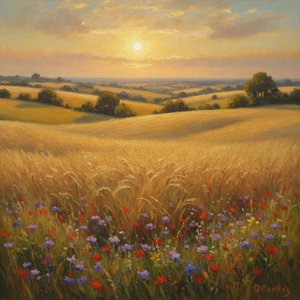
Golden Fields & Sun-Drenched Meadows: Capturing the Soul of Impressionist Landscapes
Immerse yourself in the luminous world of Impressionist landscapes. Discover how masters like Monet and Gauguin captured ephemeral light through plein air painting, and learn to bring the soul of sun-drenched meadows into your home with exquisite, hand-painted oil reproductions.

The Timeless Charm of Oil on Board: Reimagining Texture and Light through the Impressionist Lens
Discover the profound intimacy of oil on panel. Explore how Impressionist masters used rigid supports to capture light, texture, and impasto depth through exquisite, handmade oil reproductions for discerning collectors.

Beyond the Light: Capturing Raw Emotion and Subjective Vision in Post-Impressionist Landscapes
Explore the profound emotional depth of Post-Impressionist landscapes. Discover how masters like Van Gogh moved beyond light to capture raw human feeling through vibrant color and expressive texture in this expert art history retrospective.