































从与原作比例一致的预设尺寸中进行选择。

您可以输入自定义尺寸,以适配特定的画框或空间。如果所选尺寸与原图比例不符,我们将通过裁剪作品或添加手绘元素来扩展画面。数字样稿将在制作开始前发送给您确认。
请注意,屏幕预览无法准确反映实际的裁剪或扩展效果,只有样稿才能真实呈现最终的构图。
虽然我们提供定制尺寸服务,但为了保留原作比例,建议您从预设列表中选择尺寸。

Odalisque
复制品尺寸
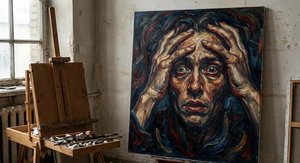
Georges Rouault's "Odalisque" isn’t merely a depiction of a reclining woman; it’s a profound meditation on isolation, spirituality, and the human condition. Painted in 1906, this work exemplifies Rouault’s unique artistic vision – a stark departure from the polished surfaces of Impressionism and Fauvism, instead embracing a raw, emotionally charged realism that would later influence Expressionist movements. The painting immediately draws the viewer into a space of quiet contemplation, dominated by a palette of deep blues, blacks, and grays punctuated by flashes of red and orange – colors deliberately chosen to evoke both melancholy and a sense of hidden intensity.
Rouault’s technical mastery is evident in every brushstroke. He employs thick, deliberate lines that define the figure's form with an almost sculptural quality. These aren’t delicate lines; they possess a palpable energy, conveying a deep sense of emotional turmoil. The layering and blending of paint create areas of rich texture – visible brushstrokes suggest a surface that is both solid and vulnerable. The use of light is dramatic, casting strong shadows that obscure parts of the scene while highlighting others, contributing to the overall atmosphere of mystery and introspection. Notice how the flattened perspective, absent of traditional depth cues, forces the viewer into an almost claustrophobic relationship with the subject, mirroring perhaps the feeling of confinement often associated with isolation.
Rouault’s artistic lineage is complex and fascinating. While he was influenced by the bold color palettes and expressive lines of artists like Vincent van Gogh, his roots lie firmly in the tradition of French academic painting, particularly the work of Jean-Auguste-Dominique Ingres. “Odalisque” shares a kinship with Ingres’s own iconic "Grande Odalisque," though Rouault's interpretation is far more psychologically complex. Just as Ingres used elongated proportions to convey sensuality and beauty, Rouault employs distortion to expose the vulnerability and perhaps even despair of his subject. The influence of Mannerist painters like Parmigianino – known for their distorted figures – can be seen in the exaggerated features and unsettling gaze of the odalisque.
However, “Odalisque” transcends mere imitation. Rouault’s personal journey—a devout Catholic seeking solace and meaning amidst the hardships of Parisian life—is deeply embedded within the painting's symbolism. The obscured figures in the background could represent voyeurism or a sense of being watched, reflecting perhaps the anxieties of modern urban existence. The overall mood is undeniably melancholic, yet there’s also an undeniable strength in the odalisque’s posture – a quiet resilience that speaks to the enduring human spirit.
“Odalisque” isn't simply a beautiful painting; it’s a powerful emotional experience. Rouault’s ability to capture the essence of human vulnerability and isolation is remarkable, making this work a timeless masterpiece. Its dark palette, distorted forms, and evocative lighting combine to create an atmosphere that is both unsettling and profoundly moving. The painting invites viewers to confront uncomfortable truths about themselves and the world around them – themes that resonate deeply with the viewer long after initial observation.
This reproduction captures Rouault’s vision with exceptional detail, allowing you to experience the full impact of this iconic artwork. It's a perfect addition to any art collection or a striking focal point for interior design, bringing a touch of emotional depth and artistic sophistication to your space.

1871 - 1958

深入探索表现主义绘画的起源、核心理念与持久影响。从《呐喊》到德国桥社,了解艺术史上的重要运动,并获取专业的收藏和鉴赏建议。TopImpressionists.com为您提供高品质油画复制及定制服务。

Explore the evocative Victorian paintings of George Goodwin Kilburne. Discover his detailed scenes of domestic life, masterful use of light, and lasting impact on British genre painting. Learn more at TopImpressionists.
深入探索20世纪具象表现主义:从德国桥社到抽象表现主义的演变。专业艺术分析,收藏指南与高品质油画复制尽在TopImpressionists.com。

探索亨利·马蒂斯25幅杰作,感受野兽派色彩的魅力!从《舞蹈》到《红色和谐》,揭秘大师背后的故事与艺术灵感。TopImpressionists.com提供博物馆级高质量油画复制品,为您的家居增添奢华艺术气息。立即在线探索完整系列!

Explore 10 Expressionist paintings that revolutionized art! Discover Munch, Kirchner & Kandinsky's iconic works. Find museum-quality reproductions and vibrant canvas prints to elevate your home decor on TopImpressionists.com.


第一时间获取最新的艺术新闻、独家优惠及装饰灵感。
向我们介绍您的项目需求,我们的艺术专家将为您提供 3 个个性化的艺术品推荐。
由我们的专家为您精选 3 款心仪之作 —— 完全免费!
 购买版画
购买版画 分享
分享 分享
分享
 详情
详情

 下载
下载
 相似作品
相似作品 X射线
X射线 幻灯片播放
幻灯片播放

 展开详情
展开详情









 玻璃选项仅适用于110厘米以下的尺寸。


