


 效果预览
效果预览
 分享
分享 分享
分享
 详情
详情 指南
指南

 下载
下载
 相似作品
相似作品 X射线
X射线 幻灯片播放
幻灯片播放 统计数据
统计数据Parrot


Experience Georges Rouault's 'Parrot,' a vibrant fauvist masterpiece! This 1916 painting bursts with reds, oranges & yellows, capturing the essence of nature’s beauty. Hand-painted reproduction available now.
 展开详情
展开详情
探索法国表现主义画家乔治·鲁奥 (1871-1958) 的作品,他以富有感染力的宗教场景、大胆的色彩和对边缘人物的描绘而闻名。欣赏其独特的受中世纪玻璃艺术启发的风格,以及深刻反映社会批判精神的作品,如《苦难之路》系列。
艺术微喷/版画
博物馆级艺术微喷或帆布版画,制作高效,并提供多种饰面选择。 ( 购买手绘画作 切换至数字图像销售渠道)




































标准尺寸
定制
CM
INCH
从与原作比例一致的预设尺寸中进行选择。
Loading sizes...

宽度
高度
您可以输入自定义尺寸,以适配特定的画框或空间。如果您选择的尺寸与原图比例不符,我们将对作品进行裁剪,或通过镜像填充/纯色填充边缘的方式来扩展图像。在开始制作之前,我们会向您发送一份数字效果图供您确认。
请注意,屏幕上的预览并不能反映实际的裁剪或扩展效果。只有效果图才能准确展示最终的构图。
虽然我们提供定制尺寸,但为了保持原图比例,我们建议您从预设列表中选择尺寸。


 玻璃选项仅适用于110厘米以下的尺寸。

Parrot
艺术微喷/版画
复制品尺寸
-


最终总价
$ 69
Georges Rouault’s ‘Parrot’: A Symphony of Shadow and Light
Georges Rouault's “Parrot,” painted in 1916, is more than just a depiction of a vibrant bird; it’s a profound meditation on suffering, faith, and the enduring human spirit. Executed in his signature fauvist style – a bold departure from academic realism – the painting explodes with a riot of color, primarily reds, oranges, and yellows, applied with thick, impasto strokes that practically vibrate with energy. Yet, this exuberance is tempered by a deliberate use of dark contours, echoing Rouault’s early influence from stained glass, creating a dramatic interplay between luminous areas and deep shadows. The penguin itself, rendered with meticulous detail despite the stylized approach, becomes a symbol of vulnerability and resilience – a creature both beautiful and inherently fragile.
A Parisian Soul Forged in Hardship
Understanding “Parrot” requires understanding Rouault’s life and artistic trajectory. Born in Paris in 1871 amidst the chaos of the Commune, his early experiences profoundly shaped his worldview. The bombardment of his family's cellar, a recurring motif in his work, instilled within him an acute awareness of human suffering and injustice. This sensitivity fueled his exploration of marginalized communities – beggars, prostitutes, and the elderly – subjects he depicted with unflinching honesty and compassion. Rouault’s apprenticeship as a glass painter provided him with a technical mastery of color and line, skills that he translated into his paintings, creating a visual language characterized by stark contrasts and expressive forms. The painting's subject matter reflects this deep engagement with the realities of urban life in early 20th-century Paris.
Fauvism and the Expression of Emotion
Rouault’s “Parrot” is a key example of fauvist technique, a movement that prioritized emotional expression over objective representation. Artists like Rouault rejected traditional notions of perspective and color harmony, instead using intense, non-naturalistic hues to convey their feelings directly to the viewer. The bold use of red, for instance, isn’t simply descriptive; it evokes a sense of urgency, passion, or perhaps even warning. This deliberate distortion of reality allows the viewer to connect with the painting on an emotional level, experiencing the subject's essence rather than merely observing its appearance. The single-legged stance of the penguin adds to this feeling of vulnerability and isolation, further amplifying the work’s emotive power.
Symbolism and Spiritual Seeking
Beyond its formal qualities, “Parrot” is laden with symbolic meaning. Rouault was a devout Catholic throughout his life, and his art frequently explored themes of faith, redemption, and mortality. The bird itself could be interpreted as representing innocence, freedom, or even the soul seeking solace. The painting’s composition – the penguin facing forward, seemingly unafraid – suggests a quiet strength and an acceptance of fate. It aligns with Rouault's broader artistic project: to capture not just the outward appearance of his subjects but also their inner lives and spiritual struggles. The influence of Ambroise Vollard, Rouault’s art dealer and collaborator, is evident in the careful selection of subject matter and the deliberate use of color to evoke specific emotional responses.
A Timeless Masterpiece
Georges Rouault's “Parrot” stands as a testament to his artistic vision and enduring legacy. Its vibrant colors, expressive brushwork, and profound symbolism continue to captivate viewers today. TopImpressionists offers meticulously crafted hand-painted reproductions of this iconic work, allowing you to bring its beauty and emotional depth into your own space. Each reproduction is created with the same attention to detail and artistic sensibility as the original, ensuring a faithful representation of Rouault’s masterpiece for generations to come.
艺术家简介
巴黎阴影中淬炼的一生
乔治·鲁奥(Georges Rouault),1871年出生于动荡不安的巴黎公社时期,一生饱受苦难和精神追寻的煎熬。他的童年岁月字面意义上就笼罩在阴影之中——他的家人为了躲避城市的轰炸而躲藏在地窖里,这一事件在他的艺术视野中留下了深刻的回响。这种卑微的出身,加上母亲培养的虔诚天主教信仰,在他心中灌输了对边缘化和受苦者的深切同情,这些主题将成为他作品的核心。他并非注定享有正式学术特权;相反,他在十四岁时开始接受玻璃画工匠学徒训练,这种工艺深刻地塑造了他的审美感。鲜艳的色彩和大胆的轮廓是彩色玻璃固有的特征,成为了他成熟风格的基础——一种以深色轮廓勾勒出明亮色域的典型运用,让人联想到中世纪艺术。这种早期的沉浸不仅仅是技术上的;它还具有灵性,使他对光与图像的叙事力量产生了深刻的欣赏。与此同时,他还同时在École des Beaux-Arts接受正规训练,在那里他成为古斯塔夫·莫罗(Gustave Moreau)忠实的弟子,莫罗的象征主义倾向进一步培养了鲁奥对情感充沛主题的倾向。从野兽派拥抱到表现主义深度
乔治·鲁奥的艺术之旅并非一帆风顺或易于归类的旅程。虽然最初受到象征主义的影响,但他发现自己被20世纪初兴起的野兽派运动所吸引。他与亨利·马蒂斯(Henri Matisse)和阿尔贝特·马奎特(Albert Marquet)等艺术家交朋友,并与他们一起参加展览,但他的气质总是将他引向一条比同时代画家纯粹的审美探索更为沉郁和内省的道路。野兽派鲜艳的色彩为他提供了一个跳板,但鲁奥很快超越了它的局限性,在他的画布中注入了一种预示表现主义的情感强度。他开始关注那些经常被忽视或不值得艺术关注的主题:妓女、小丑、法官和囚犯。这些不仅仅是对社会边缘人物的描绘;它们是人类状况的深刻寓言——对罪恶、救赎以及存在于最黑暗角落中的内在尊严的探索。他的刻画,常常怪诞但又充满深切同情,与现代社会日益增长的不安和疏离感产生共鸣,影响了一代表现主义画家,他们试图通过扭曲的形式和令人震惊的色彩来传达内心的动荡。画布和版画中的道德指南针
第一次世界大战对鲁奥来说是一个关键时刻,巩固了他对宗教信仰的承诺并加深了艺术的道德分量。在此期间,他大部分时间远离公众展览,致力于像《悲歌》(Miserere)系列这样高度个人化的项目——一个由圣篇中场景组成的巨大版画周期,灵感来自人类苦难。这些作品历经十多年创作,可以说是他最强大和持久的成就。这些版画本身被反复修改,反映了鲁奥对情感真理和精神理解的不懈追求。他并不满足于单纯的再现;他试图捕捉人类体验的原始本质——痛苦、绝望,以及即使在最黑暗的角落中仍然存在的希望之光。除了《悲歌》之外,他的绘画继续探索类似的主题,经常描绘那些孤立和被自身处境所困扰的人物,但却赋予他们一种安静的尊严。例如,他对小丑的刻画不仅仅是喜剧性的;它们是体现着生活荒诞和孤独的悲剧人物。激情与精神共鸣的遗产
乔治·鲁奥的艺术遗产远远超出了他的技术创新或风格联系。他是一位深刻的精神艺术家,他使用自己的工艺作为道德探究和同情连接的一种手段。他的作品挑战了传统的美学观念,拥抱丑陋和苦难作为人类体验不可分割的一部分。他拒绝纯粹的装饰性,转而创作能够让观众直面关于自身和社会不舒服真相的艺术。晚年,他获得了宗教作品的委托,包括为谢尔盖·迪亚吉列夫(Sergei Diaghilev)芭蕾舞剧《浪子回头》设计的作品,进一步巩固了他作为一位独特虔诚艺术家的声誉。一个有趣而或许悲惨的事实是,鲁奥晚年摧毁了大约300幅他的画作——这一行为源于自我批评和对艺术完美的不懈追求。这种戏剧性的姿态强调了他的创作过程的强度和他坚定地表达内在愿景的承诺。1958年,鲁奥在巴黎去世,留下了一部继续与当今观众产生共鸣的作品——这是同情、信仰以及毫不畏惧地凝视人类心灵复杂性所诞生的艺术力量的证明。他的画作不仅仅是图像;它们是通往灵魂的窗户。
乔治·鲁奥 (Qiáozhì Lǔ'Ào)
1871 - 1958
相关文章
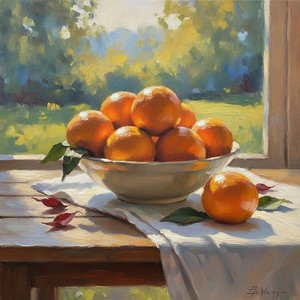
Sun-Drenched Citrus: The Vibrant Beauty of Oranges in Impressionist Masterpieces
Embark on a sensory journey through Impressionist masterpieces. Discover how Renoir and Cézanne captured the vibrant light and luscious textures of sun-drenched oranges in exquisite still life paintings designed to inspire and transform your home.

Wild Colors & Raw Emotion: A Definitive Guide to the Fauvist Art Movement
Explore the vibrant world of Fauvism. Discover how masters like Matisse and Derain revolutionized art through bold colors and raw emotion in this expert guide to the 'Wild Beasts' movement.