

 实景预览
实景预览
 分享
分享 分享
分享
 详情
详情 指南
指南

 下载作品
下载作品
 相似作品
相似作品 X射线
X射线 幻灯片播放
幻灯片播放 Q&A
Q&A 统计数据
统计数据Study of Four Heads

- 72.0 x 63.0 cm


Experience Gerard David's 'Study of Four Heads,' a captivating Renaissance portrait showcasing human emotion and masterful technique. Own a stunning reproduction of this iconic masterpiece today!
 展开全文
展开全文
杰拉德·戴维(约1460-1523)是早期尼德兰绘画大师,以其生动的色彩、细致的宗教场景和创新的风景画而闻名。他的作品融合了细腻写实与深刻情感,对北方文艺复兴艺术产生了深远影响,代表作包括《圣凯瑟琳结婚图》等。
艺术微喷/版画
博物馆级艺术微喷或帆布版画,制作高效,并提供多种饰面选择。 ( 订购纯手工绘制画作 切换至数字图像销售渠道)




P118B ¥10

P118H ¥10

P118W ¥10

P438Z ¥10

P508JH ¥12

P508YH ¥12

P805H ¥10

P805Z ¥10

P919BZ ¥10

P919G ¥10

P919XJ ¥10

P959ZH ¥10

P968JZ ¥12

W106C ¥8

W218G ¥10

W218JH ¥8

W218Y ¥10

W307PJ ¥10

W316G ¥10

W316PJ ¥8

W316Y ¥10

W398PJ ¥8

W4111J ¥10

W500HY ¥15

W500JH ¥15

W692G ¥12

W849H ¥8

W940BG ¥15

W953PJ ¥8




标准尺寸
定制
CM
INCH
您可以从与原作比例一致的预设尺寸中进行选择。
Loading sizes...

宽度
高度
请输入您所需的宽度和高度,以适配您的画框或墙面。由于印刷品只能进行裁剪,无法超出原图尺寸,因此若比例不一致,画面的一部分将会被裁切。在正式印刷之前,我们会为您发送一份数字效果图供您确认。本页面显示的图片并非最终裁剪后的效果——只有效果图才能展示真实的裁剪情况。


 玻璃选项仅适用于110厘米以下的尺寸。

Study of Four Heads
艺术微喷/版画
复刻品尺寸
-


最终结算价
¥ 464
The Enigmatic Faces: Unveiling Gerard David’s Study of Four Heads
Gerard David's Study of Four Heads, a masterpiece crafted in 1500, isn’t merely a portrait; it’s an intimate exploration of the human condition. Housed within the National Gallery of Canada, this oil painting transcends its simple subject matter to become a profound meditation on emotion, perspective, and the burgeoning humanist ideals of the Northern Renaissance. David, a master of his craft and shrouded in intriguing historical mystery – a figure whose life remains largely undocumented yet whose art speaks volumes – employed a technique that’s both meticulously detailed and remarkably expressive. The painting's power lies not just in its technical brilliance but in its ability to evoke a spectrum of feelings through the subtle shifts in each head’s countenance.
A Symphony of Line and Light: The Artist’s Signature Style
David's distinctive style is immediately recognizable. He was a master of intricate line work, meticulously rendering the textures of skin, hair, and clothing with an almost obsessive attention to detail. His use of shading creates a remarkable sense of depth and volume, lending each head a tangible presence within the frame. The painting’s palette is restrained – primarily dark browns, ochres, and creams – which allows David's masterful manipulation of light and shadow to truly shine. Notice how he uses highlights to accentuate the contours of the faces, drawing the viewer’s eye to the most expressive features. This careful control over line and light is a hallmark of the Early Netherlandish tradition, and David was undoubtedly one of its foremost practitioners.
Deconstructing Emotion: A Study in Contrasts
The genius of Study of Four Heads lies in its ability to convey a range of emotions through subtle variations in expression. The first head, presented in profile, exudes an intensity born from a focused gaze and a strong jawline – a sense of unwavering determination. In stark contrast, the second head, also in profile but facing left, possesses a more contemplative demeanor, with softer features and a gentle expression that suggests serenity. The third head, depicted in a three-quarter view, embodies a heightened state of emotion, marked by furrowed brows and a direct, almost challenging gaze. Finally, the fourth head, shown in a three-quarter view facing right, offers a moment of quiet repose, with closed eyes and a relaxed facial structure – a palpable sense of tranquility. David doesn’t simply depict faces; he captures fleeting moments of human experience, inviting us to contemplate the complexities of emotion.
Historical Context: Bridging Tradition and Renaissance Humanism
Created in 1500, this painting reflects the dynamic artistic landscape of the Northern Renaissance. Gerard David was a pivotal figure who skillfully blended late medieval traditions with the emerging principles of Renaissance humanism. The meticulous detail and realistic portrayal of the heads are reminiscent of earlier Flemish portraiture, while the emphasis on capturing individual expression aligns with the humanist focus on the dignity and complexity of the human being. The painting’s origins – a study for a larger work, likely a panel or altarpiece – further illuminate its significance within the context of Renaissance artistic practice, where preparatory drawings were considered essential tools for artists.
TopImpressionists.com offers a stunning handmade oil painting reproduction of Study of Four Heads, allowing art lovers to own a piece of this remarkable historical and artistic achievement. For more information on Gerard David and his works, please visit our online gallery or explore the resources at Wikipedia.
常见问题与解答
"Study of Four Heads" 的色彩之间是如何相互关联的?
"Study of Four Heads" 的色彩和谐度评分为 Unified Palette。
在 杰拉尔·大卫 (Jié Lā Ěr · Dà Wèi) 的《Study of Four Heads》 中,艺术流派与时代背景是如何交汇的?
杰拉尔·大卫 (Jié Lā Ěr · Dà Wèi) 的《Study of Four Heads》 属于 Early Netherlandish Painting 流派,创作于其作者的 文艺复兴 时期。
在购买之前,我可以在自己的墙上预览 杰拉尔·大卫 (Jié Lā Ěr · Dà Wèi) 的《Study of Four Heads》 吗?
通过作品的 AR 效果预览 页面,您可以在兼容设备上使用增强现实技术,在自己的墙面上预览 杰拉尔·大卫 (Jié Lā Ěr · Dà Wèi) 的《Study of Four Heads》。
艺术家简介
格拉尔·戴维德:佛兰明斯光影大师的神秘世界
格拉尔·戴维德(Gerard David,约1460-1523年)的名字与早期尼德兰绘画的光辉紧密相连,但他始终是一位笼罩在迷雾中的艺术家。他于荷兰奥德瓦特出生,其生平事迹散落在零星的档案记录和其作品中流淌出的深刻情感之中。与其他生活细节丰富详尽的同代画家不同,戴维德的个人叙述较为简略,这使得他的画作成为了讲述他故事的主要载体。已知的信息显示他拥有成功的职业生涯,很可能在安特卫普和布鲁日这两个文艺复兴时期的艺术创新中心经营工作室。尽管他在17世纪的名声有所衰落,但却在19世纪被艺术史学家重新发现,他们赞扬了他对北方文艺复兴的独特贡献。1484年加入布鲁日的图像制造者和鞍具工会是一个重要的里程碑,标志着他职业生涯的飞跃。 1515年参与安特卫普公会的工作进一步巩固了他在艺术界中的地位。早期影响与艺术发展
戴维德的艺术之旅始于塑造其风格基础的影响之下。早期的作品清晰地体现出对雅各布·扬松(Jacob Janszoon)、迪里克·鲍茨(Dieric Bouts)和赫尔特根·托特·圣坦斯(Geertgen tot Sint Jans)等画家的致敬——这些大师赋予了他对细节的敏锐关注和对宗教叙事的敏感性。据信他曾在哈勒姆学习这些技艺,之后搬到布鲁日,这是一个充满活力的艺术交流中心,吸引了来自欧洲各地的才华之士。在这里,戴维德接触到了扬·凡·艾克(Jan van Eyck)、罗吉尔·范·德·韦登(Rogier van der Weyden)和汉斯·梅林(Hans Memling)的杰作,吸收他们的技巧并开创了自己的独特道路。他并非简单地模仿,而是将这些影响融会贯通,创造出一种以明亮色彩、宁静构图和日益成熟的景观理解为特征的风格。早期的画作展现了这种演变过程,从哈勒姆传统中略显呆板的人物形象逐渐过渡到更具雕塑感且扎根于环境中的形态。这在《基督被钉十字架》等作品中可见一斑,鲍茨的空间构建与戴维德新兴的色彩敏感性巧妙地融合在一起。景观创新与宗教叙事
格拉尔·戴维德的艺术标志在于他对景观和宗教主题创新的方法。他并非仅仅描绘背景,而是创造出增强场景情感共鸣的环境。他的风景画不仅仅是装饰品,更是叙事的组成部分,通常蕴含着象征意义。他对自然环境的痴迷——茂密的森林、连绵起伏的山丘、广阔的天空——使他与同时代的许多画家区分开来,并预示了景观绘画作为一种独立流派的发展。例如,《森林中的景色》,一幅三联画的外翼;它不仅仅是背景,而是一个拥有细致细节和大气透视的世界。在宗教作品中,戴维德展现出非凡的能力,能够同时传达深刻的精神性和人类情感。《圣凯瑟琳的婚礼》充分体现了这种技巧。场景以精致的细节呈现,但真正吸引观众的是人物面孔上微妙的表情——他们的虔诚、沉思或温柔的喜悦。他拥有赋予其神圣主题以宁静尊严和相关人性的天赋。《圣母加冕三联画》,现藏于热那亚,展示了他精湛的技艺,呈现出和谐的构图,充满鲜艳的色彩和精致的细节。《锡永修道院的处女像》是他技能的另一个证明,其中包含一幅自画像——他那个时代艺术家的罕见而亲密的姿态。遗产与持久影响
尽管他在去世后一段时间内声名鹊起,但格拉尔·戴维德对后世艺术家的影响是不可否认的。他对色彩的创新运用、对光影的精湛处理以及对景观开创性的方法都给佛兰明斯绘画的发展留下了深刻印记。他为后来进一步探索自然环境表现潜力的艺术家铺平了道路,例如雅各布·帕提尼尔(Jacob Patinir)和雅各布·凡·鲁伊斯达尔(Jacob van Ruisdael)。- 传统之间的桥梁:戴维德成功地弥合了中世纪晚期传统与新兴文艺复兴风格之间的差距。
- 对风景画的影响:他细致而富有氛围的风景画预示着景观作为一种独特流派的发展。
- 精湛的色彩大师:他以其鲜艳的调色板和运用色彩创造情感冲击力而闻名。
进一步探索
- TopImpressionists.com: 发现格拉尔·戴维德的大量画作,包括《东方三博士朝拜》。
- 森林中的景色: 探索这幅令人惊叹的北方文艺复兴风景画。
- 早期尼德兰艺术运动: 更深入地了解戴维德作品的艺术背景。

杰拉尔·大卫 (Jié Lā Ěr · Dà Wèi)
1450 - 1523 , 荷兰
艺术家简介
- Artistic Movement Or Style: 早期尼德兰绘画
- Artists Or Movements Influenced By This Artist: ['雅各·帕提尼尔']
- Artists Who Influenced This Artist:
- 雅各·扬松
- 迪里克·鲍茨
- Date Of Birth: 约1460年
- Date Of Death: 1523年
- Full Name: 杰拉德·大卫
- Nationality: 尼德兰籍
- Notable Artworks:
- 圣凯瑟琳的婚礼
- 圣母加冕三联画
- Place Of Birth: 荷兰奥德沃特
相关文章

Gerard David: Bridging Late Medieval Tradition with Early Renaissance Humanism
Explore the captivating world of Gerard David, a pivotal figure bridging late medieval artistry with the Early Renaissance. Discover his innovative techniques, religious masterpieces, and enduring legacy – a must-read for discerning art collectors.

The Enduring Gaze: Portraiture's Historical & Psychological Evolution
Explore the rich history of portraiture with expert analysis from TopImpressionists. Discover iconic Renaissance masterpieces, symbolism & techniques that shaped identity. Find museum-quality art for your collection.
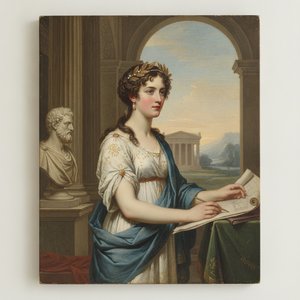
新古典主义肖像画:理性、权力与永恒美的追求
探索新古典主义肖像画的魅力!TopImpressionists 提供专业艺术解读、精美手工油画复制及定制服务。深入了解大卫、安格尔等大师,提升您的艺术鉴赏力与收藏价值。

The Enduring Legacy of Formal Portraiture: Power, Identity & Artistic Exploration
Explore the rich history of formal portraiture & its enduring power to capture identity and shape perception. Discover investment-worthy artworks, expert appraisals, and custom reproduction services at TopImpressionists.

达芬奇25幅杰作:艺术、科学与永恒的辉煌 | TopImpressionists
探索达芬奇25幅杰作!深入了解文艺复兴大师列奥纳多·达·芬奇的艺术传奇,欣赏《蒙娜丽莎》、《最后的晚餐》等经典绘画。TopImpressionists.com提供博物馆级复制品和家居装饰灵感。在线探索完整系列!


