


 Oil On CanvasWallArtNeoclassicism
 1803
1803 75.0 x 63.0 cm
 大都会艺术博物馆




























从与原作比例一致的预设尺寸中进行选择。

您可以输入自定义尺寸,以适配特定的画框或空间。如果您选择的尺寸与原图比例不符,我们将对作品进行裁剪,或通过镜像填充/纯色填充边缘的方式来扩展图像。在开始制作之前,我们会向您发送一份数字效果图供您确认。
请注意,屏幕上的预览并不能反映实际的裁剪或扩展效果。只有效果图才能准确展示最终的构图。
虽然我们提供定制尺寸,但为了保持原图比例,我们建议您从预设列表中选择尺寸。

Albert Gallatin
复制品尺寸
Gilbert Stuart Newton's “Albert Gallatin,” painted in 1803, is more than just a likeness; it’s a carefully constructed portrait of a pivotal figure in early American history. Commissioned during the nascent years of the republic, this oil-on-canvas work captures not only the physical appearance of Albert Gallatin, the Secretary of the Treasury under Thomas Jefferson, but also embodies the qualities deemed essential for leadership and financial stability within a young nation grappling with its identity.
Newton’s style leans heavily into the conventions of the era's portraiture, drawing inspiration from the grand tradition established by Gilbert Stuart himself. The composition is formally balanced, placing Gallatin centrally within a richly textured background—a deliberate choice that elevates his status and suggests his importance to the republic. Note the meticulous rendering of his attire: the dark waistcoat, crisp white shirt, and dignified coat speak volumes about his position and the seriousness of his responsibilities. The subtle use of light and shadow sculpts his features, revealing a thoughtful countenance—a gaze that seems both resolute and contemplative.
Albert Gallatin was a crucial architect of America’s financial foundation. A Swiss immigrant who arrived in Philadelphia in 1780, he quickly rose through the ranks of American politics, serving as a Congressman, diplomat, and ultimately, Secretary of the Treasury. His tenure under Jefferson was marked by prudent fiscal management, navigating the complexities of the Louisiana Purchase and establishing a system designed to promote economic growth. Newton’s portrait seeks to immortalize this man of considerable intellect and unwavering dedication to public service.
Gallatin's background is particularly relevant to understanding the painting. He represented a bridge between Europe and America, bringing with him a sophisticated understanding of finance and trade—qualities highly valued in a nation striving for economic independence. The portrait subtly conveys this connection, reflecting a blend of European formality and American pragmatism.
Beyond the straightforward depiction of Gallatin’s features, Newton employs several artistic techniques to imbue the painting with deeper meaning. The red wall in the background, for instance, is not merely a decorative element; it symbolizes the burgeoning power and influence of the United States. The careful attention to detail—the texture of the fabric, the sheen of the waistcoat, the subtle wrinkles around Gallatin’s eyes—demonstrates Newton's mastery of oil painting and his commitment to capturing the nuances of human expression.
Newton’s use of color is restrained yet effective. The predominantly dark tones create a sense of gravitas and seriousness, while carefully placed highlights draw attention to key features – particularly Gallatin’s face—emphasizing his intelligence and authority. The overall effect is one of dignified composure, reflecting the man's role as a stabilizing force in a nation undergoing rapid transformation.
“Albert Gallatin” stands as a testament to Newton’s skill and a valuable historical document. It offers a glimpse into the character of a key figure in American history—a man who played a vital role in shaping the nation's financial future. Reproductions of this painting, like those offered by Ocean’s Bridge, allow us to appreciate not only Newton’s artistic talent but also the significance of Gallatin’s contributions to the United States. It is a piece that speaks volumes about ambition, responsibility, and the enduring legacy of early American leadership.

1795 - 1835

Explore the captivating world of Alonzo Chappel, a master of 19th-century American historical painting. Discover his iconic works, Romantic style & lasting legacy. Learn about collecting Chappel's art today!

Explore the rich history & techniques of oil painting! Discover Renaissance masters, scientific principles behind color, and emotional resonance in art. Learn about glazing, layering, and atmospheric perspective – a guide for enthusiasts & collectors.

Transform your cherished photos into timeless oil paintings with TopImpressionists's expert artists. Museum-quality reproductions & custom portraits, crafted to last a lifetime. Discover the art of personal legacy.

Journey through art history with our guide to 10 legendary oil on canvas masterpieces! Explore iconic works by Van Gogh, Monet & Rembrandt. Find museum-quality reproductions and elevate your home decor at . Discover all masterpieces online.
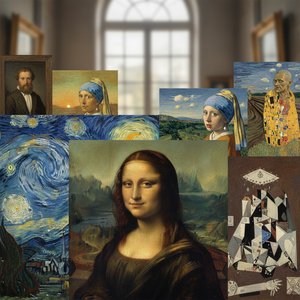
Journey through art history with our Top 10 oil paintings! Explore iconic works by Van Gogh, Monet & Rembrandt. Discover timeless masterpieces and find museum-quality reproductions for your home at .


第一时间获取最新的艺术新闻、独家优惠及装饰灵感。
向我们介绍您的项目需求,我们的艺术专家将为您提供 3 个个性化的艺术品推荐。
由我们的专家为您精选 3 款心仪之作 —— 完全免费!
 定制手绘复刻品
 分享
分享 分享
分享
 详情
详情

 下载
下载
 相似作品
相似作品 X射线
X射线 幻灯片播放
幻灯片播放 展开详情
展开详情









 玻璃选项仅适用于110厘米以下的尺寸。


