

 实景预览
实景预览
 分享
分享 分享
分享
 详情
详情 指南
指南

 下载作品
下载作品
 相似作品
相似作品 X射线
X射线 幻灯片播放
幻灯片播放 Q&A
Q&A 统计数据
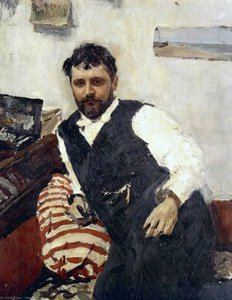
统计数据Diego Martelli


 展开全文
展开全文
艺术微喷/版画
博物馆级艺术微喷或帆布版画,制作高效,并提供多种饰面选择。 ( 订购纯手工绘制画作 切换至数字图像销售渠道)




P118B ¥10

P118H ¥10

P118W ¥10

P438Z ¥10

P508JH ¥12

P508YH ¥12

P805H ¥10

P805Z ¥10

P919BZ ¥10

P919G ¥10

P919XJ ¥10

P959ZH ¥10

P968JZ ¥12

W106C ¥8

W218G ¥10

W218JH ¥8

W218Y ¥10

W307PJ ¥10

W316G ¥10

W316PJ ¥8

W316Y ¥10

W398PJ ¥8

W4111J ¥10

W500HY ¥15

W500JH ¥15

W692G ¥12

W849H ¥8

W940BG ¥15

W953PJ ¥8




标准尺寸
定制
CM
INCH
您可以从与原作比例一致的预设尺寸中进行选择。
Loading sizes...

宽度
高度
请输入您所需的宽度和高度,以适配您的画框或墙面。由于印刷品只能进行裁剪,无法超出原图尺寸,因此若比例不一致,画面的一部分将会被裁切。在正式印刷之前,我们会为您发送一份数字效果图供您确认。本页面显示的图片并非最终裁剪后的效果——只有效果图才能展示真实的裁剪情况。


 玻璃选项仅适用于110厘米以下的尺寸。

Diego Martelli
艺术微喷/版画
复刻品尺寸
-


最终结算价
¥ 463
Giovanni Boldini’s “Portrait of Diego Martelli” – A Window into Belle Époque Parisian Life
Giovanni Boldini's "Portrait of Diego Martelli," painted circa 1865, isn’t merely a likeness; it’s a carefully constructed tableau vivant, a snapshot of a specific moment in time and a testament to the artist’s remarkable ability to capture not just appearance but also character and atmosphere. This painting, now housed within the Palazzo Pitti in Florence, offers a captivating glimpse into the vibrant social scene of late 19th-century Paris – a world of artistic ferment, intellectual discourse, and burgeoning modernity. Boldini, already establishing himself as a master of portraiture, skillfully employs a technique that blends elements of Realism with the subtle influences of the Macchiaioli movement, creating an image both grounded in observation and imbued with a dynamic energy.
The subject, Diego Martelli, an Italian art critic instrumental in championing Impressionism within Italy, is depicted seated on the floor, a posture remarkably unconventional for formal portraits of the era. This deliberate choice immediately establishes a sense of intimacy and informality, suggesting a relaxed conversation or perhaps a shared moment of contemplation. Martelli’s attire – a dark, simple suit and hat – contrasts subtly with the vibrant, almost luminous, cloth draped across his lap, hinting at a connection to the natural world and a rejection of rigid social conventions. Boldini's masterful use of light is crucial; it doesn’t simply illuminate the subject but sculpts their form, creating depth and volume within the relatively small canvas.
The Influence of Macchiaioli Realism
Boldini’s artistic journey was profoundly shaped by his encounter with the Macchiaioli – a group of Tuscan painters who prioritized capturing fleeting moments and atmospheric effects over meticulous detail. This influence is evident in “Portrait of Diego Martelli” through Boldini's loose brushwork, particularly noticeable in the rendering of the fabric and background. Rather than striving for photographic accuracy, he employs broken color and visible strokes to convey a sense of immediacy and spontaneity – a hallmark of the Macchiaioli’s approach. The muted palette, dominated by browns, grays, and ochres, further reinforces this connection to nature and the transient qualities of light.
Furthermore, Boldini's composition echoes the Macchiaioli’s penchant for depicting subjects within their natural surroundings. The glimpse of a window in the background suggests a domestic setting, grounding Martelli in a specific place and time. This subtle inclusion adds layers of meaning to the portrait, inviting viewers to imagine the context of the scene and the lives of those depicted.
Symbolism and Emotional Resonance
Beyond its technical brilliance, “Portrait of Diego Martelli” is rich in symbolic detail. The seated position itself can be interpreted as a gesture of humility or openness, suggesting that Martelli is willing to share his thoughts and ideas with the viewer. The red cloth draped across his lap – a splash of vibrant color against the muted background – could symbolize passion, creativity, or perhaps even the revolutionary spirit of Impressionism. The direct gaze of Martelli’s eyes draws the viewer into the portrait, creating a powerful connection between subject and observer.
Boldini masterfully captures not just a physical likeness but also an essence—a sense of intellectual curiosity, quiet contemplation, and perhaps even a touch of melancholy. The painting evokes a feeling of intimacy and invites us to step back in time and witness a pivotal moment in the history of art.
A Masterpiece of Belle Époque Portraiture
“Portrait of Diego Martelli” stands as a quintessential example of Giovanni Boldini’s signature style – a captivating blend of realism, dynamism, and psychological insight. It's a painting that rewards careful observation, revealing new details with each viewing. Boldini’s ability to capture the fleeting moments of human interaction and imbue his portraits with emotional resonance cemented his reputation as “the Master of Swish,” a title reflecting both his distinctive brushwork and his remarkable talent for portraying the allure and sophistication of Parisian society during the Belle Époque. Reproductions of this iconic work offer a beautiful opportunity to bring a piece of art history into your home, capturing the spirit of a bygone era.
常见问题与解答
在Realism运动中,乔万尼·博尔迪尼 (Qiáowànní·Bó'Ěrdíní) 的《Diego Martelli》传达了怎样的情感?
在Realism运动中,"Diego Martelli"以Nostalgic的基调被记录下来。
“Diego Martelli”唤起怎样的情感?
“Diego Martelli” 传达出一种 Nostalgic 的情感。这种情感基调描述了作品给人的印象。
Realism 流派的作品 "Diego Martelli" 源自哪个国家?
通过创作者的出生地,《Diego Martelli》将Realism运动与意大利紧密联系在了一起。
相似作品




艺术家简介
流光大师:乔万尼·博尔迪尼的生命与艺术
乔万尼·博尔迪尼(Giovanni Boldini),这个名字本身就是“美好时代”优雅与魅力的代名词。作为一位意大利艺术家,他在巴黎社交界凭借其卓越的肖像画成就开辟了自己的天地。1842年12月3ﻟ31日,博尔迪尼出生于意大利费拉拉,他的艺术启蒙始于父亲的悉心指导,而他的父亲正是一位擅长宗教题材的画家。这段早期的艺术熏陶为他奠定了技法与构图的基础功底,然而,真正点燃他创作灵魂的却是1862年移居佛罗伦萨的经历。在那里,他邂逅了马基艾罗利画派(Macchiaioli)——这群意大利现实主义画家通过对光影、色彩和自发性笔触的强调,预示了印象派的到来。这次相遇成为了他艺术生涯的关键转折点,为他的风景画注入了前所未有的生命力与对自然的敏锐感应。然而,真正让他获得永恒声望的,还是他在肖像画中捕捉人物灵魂神韵的非凡能力。从佛罗伦萨到巴黎社交圈
博尔迪尼的艺术之路首先通向了伦敦,在那里,他凭借为霍兰夫人(Lady Holland)和威斯敏斯特公爵夫人等显赫人物创作的肖像画迅速崭露头角。早期的成功为他1872年移居巴黎铺平了道路——这座城市此后既是他的家园,也是他的缪斯。在巴黎,博尔Ꮯ尼全身心地沉浸在艺术氛围之中,与埃德加·德加(Edgar Degas)结为好友,并在法国首都复杂的社交版图中游刃有余。他逐渐形成了一种独特的风格,其特征在于流动的线条、动感十足的笔触以及近乎戏剧化的张力。他的画笔不仅仅是在进行写实描述,更仿佛在捕捉人物的动作、个性以及环绕在他们周围的空气流动。这种独树一帜的表现手法使他在1933年被冠以“流光大师”(Master of Swish)的美誉,这正是对他作品中渗透出的那种优雅能量的最高赞誉。他成为了巴黎上流社会的专属肖像画家,将女演员、名媛和贵族成员那充满魅力的生活定格在了永恒之中。技法与影响
博尔迪尼的绘画技法与其所描绘的人物性格一样迷人。他的画布规模往往宏大,这使他能够传达出一种庄重感与存在感。他运用松散且富有表现力的笔触,通过色彩的层层堆叠来营造纹理与深度。这种手法结合了他敏锐的细节观察力以及捕捉转瞬即逝表情的能力,使得他的肖像画既具有惊人的写实感,又蕴含着一种无可置疑的时尚格调。虽然受到马基艾罗利画派对光影和自发性追求的影响,博尔迪尼也从约翰·辛格·萨金特(John Singer Sargent)和保罗·赫留(Paul Helleu)等艺术家的作品中汲取灵感,这些艺术家的动态笔触与他的艺术审美产生了共鸣。他并非仅仅是在复制容貌,而是在创造“印象”——一种对人物性格与社会地位的传神表达。他的肖像画不仅仅是图像,更是一种宣言。传承与再发现
在整个职业生涯中,博尔迪尼举办了广泛的展览,包括参加1895年、1903年、1905年和1912年的威尼斯双年展。他因对艺术的贡献被授予法国荣誉军团勋章,巩固了他在巴黎艺术界领军人物的地位。然而,随着艺术品味的变迁,博尔迪尼的声望在生命后期有所减退。尽管他坚持创作,但他的作品一度陷入沉寂,直到近几十年才见证了令人瞩目的复兴。失传作品的重新发现——例如2010年在巴黎的一间公寓中偶然发现的玛莎·德·弗洛里安(Marthe de Florian)那幅迷人的肖像画——重新点燃了人们对博尔迪尼艺术造诣的赞赏,并使他为美好时代艺术所做的重大贡献再次受到瞩目。围绕这幅画的故事——一件在尘封数十年后被发掘的遗忘珍宝——仅仅为艺术家及其作品增添了一抹神秘色彩。永恒的印记
1931年1月11日,乔万尼·博尔迪尼在巴黎逝世,留下了一位时代最时尚、最具创新精神的肖像画家之名。他的作品至今仍在激励着艺术家与艺术爱好者,为人们提供了一个窥见那个优雅、精致且充满艺术光辉的旧时代的窗口。他不仅仅是在记录社会,更是在赞美社会——在画布上捕捉其美丽、能量与持久的魅力。博尔迪尼的肖像画依然是他技艺、远见以及将绘画行为转化为一场迷人表演之能力的有力证明。- 博尔迪尼的影响力在当代肖像画中清晰可见。
- 他的作品收藏于世界各地的各大博物馆之中。
- 失传作品的重新发现持续激发着学术界的浓厚兴趣。

乔万尼·博尔迪尼 (Qiáowànní·Bó'Ěrdíní)
1842 - 1931 , 意大利
艺术家简介
- Artistic Movement Or Style: 印象派风格
- Artists Or Movements Influenced By This Artist: ['约翰·辛格·萨金特']
- Artists Who Influenced This Artist: ['马基奥里画派']
- Date Of Birth: 1842年12月31日
- Date Of Death: 1931年7月11日
- Full Name: 乔万尼·博尔迪尼
- Nationality: 意大利国籍
- Notable Artworks (List Of Titles):
- 拉斯蒂伯爵夫人
- 马尔利机器
- Place Of Birth (City And Country): 意大利费拉拉
相关文章

The Raw Truth: A Definitive Guide to the Power and Legacy of Social Realism Art
Explore the profound impact of Social Realism. Discover how masters like Courbet rejected idealism to capture the raw, socio-political truths of the working class through powerful, unvarnished art history and enduring visual critique.

The Unvarnished Truth: A Cultural Journey Through the Soul of American Realism
Explore the profound beauty of American Realism. From the Ashcan School's urban grit to intimate portraits, discover how artists captured the authentic soul of a nation through unvarnished truth and masterful observation.