


 实景预览
实景预览
 发送
发送 分享
分享
 详情
详情 指南
指南

 下载图片
下载图片
 相似作品
相似作品 X射线
X射线 幻灯片播放
幻灯片播放 统计数据
统计数据Lake Teletskoye


Discover Grigory Gurkin’s "Lake Teletskoye" (1912), a stunning Impressionistic landscape of the Altai Mountains. Explore dynamic brushwork & ethereal beauty.
Grigory Gurkin (1870-1937) was the first professional artist of Altai origin, renowned for his stunning landscape paintings of the Altai Mountains. Explore his Realist & Symbolist works depicting Siberian nature and Altai culture. A tragic figure of
 阅读全文
阅读全文
艺术微喷/版画
博物馆级艺术微喷或帆布版画,制作高效,并提供多种饰面选择。 ( 订购此收藏品的纯手工复刻画作 切换至数字图像销售渠道)




































标准尺寸
定制
CM
INCH
您可以从与原作比例一致的预设尺寸中进行选择。
Loading sizes...

宽度
高度
请输入您所需的宽度和高度,以适配您的画框或墙面。由于印刷品只能进行裁剪,无法超出原图尺寸,因此若比例不一致,画面的一部分将会被裁切。在正式印刷之前,我们会为您发送一份数字效果图供您确认。本页面显示的图片并非最终裁剪后的效果——只有效果图才能展示真实的裁剪情况。


 玻璃选项仅适用于110厘米以下的尺寸。

Lake Teletskoye
艺术微喷/版画
复刻品尺寸说明
-


总计金额
¥ 463
相关艺术品


艺术家简介
The Soul of the Altai: The Life and Legacy of Grigory Gurkin
Grigory Ivanovich Gurkin (1870–1937) stands as a singular, luminous figure in the tapestry of Russian art history. As the first professional artist born within the Altai Republic, he served as a vital bridge between the ancient, nomadic traditions of his people and the formal academic rigor of the Imperial era. Born in the village of Ulala—known today as Gorno-Altaysk—Gurkin’s early life was deeply intertwined with the rhythms of the Altay landscape and the spiritual heritage of the Choros clan. His journey from a young student in an icon-painting school to a master of the landscape is a testament to a life dedicated to capturing the profound essence of the Siberian wilderness.
The foundations of Gurkin’s technical mastery were laid in the prestigious halls of the Saint Petersburg Imperial Academy of Arts. Beginning his formal studies there in 1897, he walked the same corridors as legendary masters such as Ivan Shishkin and Alexander Kiselyov. This period was transformative; under the influence of Shishkin’s unparalleled ability to render the rugged majesty of the Russian wild, Gurkin developed a profound respect for botanical accuracy and atmospheric depth. Yet, while his training was rooted in the disciplined Realism of the academy, his heart remained tethered to the mountains of his youth. Upon returning to Altai, he did not merely paint scenery; he sought to translate the very spirit of the land into visual language.
A Tapestry of Landscape and Legend
Gurkin’s oeuvre is a breathtaking dialogue between meticulous Realism and the evocative whispers of Symbolism. His landscapes are rarely mere topographical records; instead, they are imbued with a subtle, poetic resonance that suggests the presence of the divine within nature. In works such as The Katun River in Spring or Lake Karakol, one can observe a masterful command of light and texture. He often employed an Impressionistic touch, using thick impasto and atmospheric brushstrokes to capture the fleeting energy of a waterfall or the serene, frozen stillness of a winter morning. This duality allowed him to portray the Altai Mountains not just as geological formations, but as living, breathing entities possessed of their own character and sanctity.
Beyond the canvas, Gurkin was a tireless champion of Altay cultural identity. His commitment to his heritage manifested in diverse and impactful ways:
- Cultural Preservation: He utilized his artistic talents to illustrate epic poems and create educational primers, ensuring that the oral traditions and folklore of the Altai people were preserved for future generations.
- Political Leadership: In the turbulent years following the October Revolution, Gurkin emerged as a significant political figure, serving as the chairman of the Karakorum Government, an initiative aimed at uniting Altay lands into a national state.
- Spiritual Connection: His deep-seated connection to the Altai religion, Burkhanism, and his early training in iconography infused his secular landscapes with a sense of sacredness and reverence for the natural world.
A Tragic End and Enduring Significance
The trajectory of Gurkin’s life was ultimately shadowed by the violent political shifts of the early Soviet era. After periods of exile in Mongolia and Tuva, where he continued to document the shamanistic traditions and daily lives of local populations, he returned to the Soviet Union. Tragically, his prominence and his ties to Altai nationalism made him a target during the Great Purge. In 1937, Grigory Gurkin was arrested and executed, a loss that silenced one of the most important voices in Siberian art for many years.
Despite this tragic conclusion, his artistic legacy remains unextinguished. Today, his works are cherished in institutions such as the Altai State Fine Arts Museum and the Tomsk Regional Art Museum. He is remembered not only as a pioneer of landscape painting but as an emblem of ethnic Altay heritage—a man who looked at the mountains and saw not just stone and water, but the very soul of a people. His ability to blend the grandeur of the Russian Realist tradition with the intimate, symbolic spirit of the Altai continues to inspire awe in all who encounter his vision.

Grigory Gurkin
1870 - 1937
快速概览
- Artistic Movement Or Style: Realist & Symbolist
- Artists Or Movements Influenced By This Artist: ['Russian Impressionism']
- Artists Who Influenced This Artist:
- Ivan Shishkin
- Alexander Kiselyov
- Date Of Birth: 1870
- Date Of Death: 1937
- Full Name: Grigory Ivanovich Gurkin
- Nationality: Russian
- Notable Artworks:
- Lake in Lazha
- Lake Teletskoye
- Lake Karakol
- Place Of Birth: Ulala, Russia
相关文章

Beyond the Light: Capturing Raw Emotion and Subjective Vision in Post-Impressionist Landscapes
Explore the profound emotional depth of Post-Impressionist landscapes. Discover how masters like Van Gogh moved beyond light to capture raw human feeling through vibrant color and expressive texture in this expert art history retrospective.

Capturing the Soul: The Most Emotionally Moving Impressionist and Post-Impressionist Masterpieces
Discover the profound emotional depth of Impressionist and Post-Impressionist masterpieces. Explore how legends like Monet, Van Gogh, and Gauguin captured light and soul through evocative landscapes and vibrant brushwork for a timeless connection to art history.
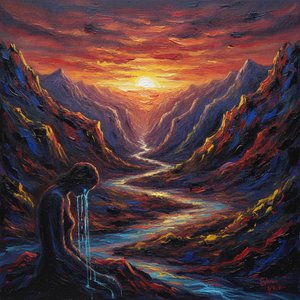
Capturing Emotion: A Journey Through the Soul of Expressionist Landscapes
Explore the profound emotional depth of Expressionist landscapes. Discover how Post-Impressionist masters moved beyond light to capture the soul through vibrant color and form. A curated journey for true art lovers seeking the beauty of expressive mastery.

The Beauty of Impermanence: Capturing Decay through Impressionist Eyes
Explore the profound beauty of impermanence through Impressionist and Post-Impressionist eyes. Discover how masters like Monet and Van Gogh captured fleeting light and the poetic essence of nature's transitions in our deep dive into art history and emotional landscapes.
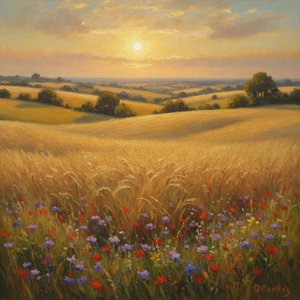
Golden Fields & Sun-Drenched Meadows: Capturing the Soul of Impressionist Landscapes
Immerse yourself in the luminous world of Impressionist landscapes. Discover how masters like Monet and Gauguin captured ephemeral light through plein air painting, and learn to bring the soul of sun-drenched meadows into your home with exquisite, hand-painted oil reproductions.