


 效果预览
效果预览
 分享
分享 分享
分享
 详情
详情 指南
指南

 下载
下载
 相似作品
相似作品 X射线
X射线 幻灯片播放
幻灯片播放 统计数据
统计数据The Floor Scrapers aka The Floor Strippers


Witness Parisian life's grit & elegance in Gustave Caillebotte’s ‘The Floor Scrapers.’ This realist masterpiece captures three laborers, blending Impressionism with meticulous detail. Own a stunning reproduction today!
 展开详情
展开详情
古斯塔夫·凯耶博特(1848-1894)是法国现实主义和印象派大师,以描绘现代巴黎生活而闻名。他的代表作包括《磨坊工人》、《雨天街景》等,作品视角独特、构图大胆,捕捉了城市瞬间的真实与诗意。
手工油画复制品
由我们的艺术家按需定制,为您提供您所选尺寸及画框的布面手工油画。 ( 切换至版画销售渠道 切换至数字图像销售渠道)




P118B $10

P118H $10

P118W $10

P438Z $10

P508JH $12

P508YH $12

P805H $10

P805Z $10

P919BZ $10

P919G $10

P919XJ $10

P959ZH $10

P968JZ $12

W106C $8

W218G $10

W218JH $8

W218Y $10

W307PJ $10

W316G $10

W316PJ $8

W316Y $10

W398PJ $8

W4111J $10

W500HY $15

W500JH $15

W692G $12

W849H $8

W940BG $15

W953PJ $8




标准尺寸
定制
CM
INCH
从与原作比例一致的预设尺寸中进行选择。
Loading sizes...

宽度
高度
您可以输入自定义尺寸,以适配特定的画框或空间。如果所选尺寸与原图比例不符,我们将通过裁剪作品或添加手绘元素来扩展画面。数字样稿将在制作开始前发送给您确认。
请注意,屏幕预览无法准确反映实际的裁剪或扩展效果,只有样稿才能真实呈现最终的构图。
虽然我们提供定制尺寸服务,但为了保留原作比例,建议您从预设列表中选择尺寸。
可定制示例:将面部替换为客户照片;添加宠物(例如,将猫替换为狗);在背景中加入隐藏信息;更改背景风景或元素。
下单后,TopImpressionists.com 团队将通过电子邮件联系客户获取具体要求,并提供效果预览图。
下单后,TopImpressionists.com 团队将通过电子邮件联系客户获取具体要求,并提供效果预览图。


 玻璃选项仅适用于110厘米以下的尺寸。

The Floor Scrapers aka The Floor Strippers
复制材质
复制品尺寸
-


最终总价
$ 269
A Snapshot of Urban Life: The Story Behind “The Floor Scrapers”
Gustave Caillebotte’s “The Floor Scrapers,” also known as “The Floor Strippers,” isn't merely a depiction of three men diligently working; it’s a remarkably astute and quietly revolutionary observation of Parisian urban life in the late 19th century. Painted in 1875, this work stands as one of the earliest representations of the burgeoning working class within the city – a subject largely absent from the art world at the time. Unlike the romanticized portrayals of peasants found in works by Millet or Courbet, Caillebotte offers a starkly realistic and unidealized view of those toiling beneath the glittering façade of modern Paris. The painting’s significance lies not in grand narratives or moralizing judgments, but rather in its meticulous documentation of everyday labor – a testament to the burgeoning industrialization reshaping the city's social fabric.

Impressionistic Realism: A Unique Artistic Blend
Caillebotte’s style in “The Floor Scrapers” is a fascinating synthesis of Impressionist techniques and a commitment to realism. He was deeply influenced by his early exposure to photography, adopting its precise framing, careful perspective, and ability to capture fleeting moments – elements that informed his approach to painting. However, unlike the purely optical focus of many Impressionists, Caillebotte retains a strong sense of solidity and detail. The figures are rendered with a remarkable level of accuracy, their postures and movements conveying a palpable sense of fatigue and concentration. Notice how he uses broken brushstrokes and subtle shifts in light and shadow to create an atmosphere of quiet intensity, avoiding the overly bright or vibrant palette often associated with Impressionism.
The composition itself is carefully constructed. The room, seemingly a dining area, provides a contained space for this intimate scene. The partially covered rug suggests a sense of order amidst the work, while the scattered bottles hint at the men’s brief respite. Caillebotte masterfully uses light to draw our attention – it falls primarily on the workers themselves, highlighting their efforts and emphasizing their presence within the room.
Historical Context: A New Vision of Labor
“The Floor Scrapers” emerged during a period of profound social change in Paris. The city was experiencing rapid industrialization, leading to an influx of workers from rural areas seeking employment. This shift created a new urban proletariat – individuals who were largely invisible in the art world’s traditional subjects. Caillebotte's decision to depict these laborers was groundbreaking, challenging the prevailing artistic conventions that favored idealized representations of peasant life. As research indicates, this painting is considered one of the first depictions of urban labor, marking a significant departure from previous artistic portrayals of working-class individuals.
The work’s creation coincided with Caillebotte's own evolving perspective as an observer of modern Paris. His father’s textile business and his own legal training provided him with a unique vantage point to witness the transformations occurring within the city, fueling his desire to document these changes through his art.
Symbolism and Emotional Resonance
While Caillebotte deliberately avoided injecting moralizing or political commentary into “The Floor Scrapers,” the painting nevertheless carries a powerful emotional resonance. The men’s focused expressions and tireless efforts evoke a sense of dignity and resilience in the face of arduous labor. There's an inherent quiet strength conveyed by their posture, suggesting a stoic acceptance of their circumstances. The scene isn’t romanticized; it simply presents a truthful depiction of honest work. It invites us to contemplate the unseen realities of urban life and the individuals who contribute to its functioning – often overlooked but undeniably essential.
相似艺术品




艺术家简介
一位新时代的巴黎人:古斯塔夫·卡耶博特的人生与艺术
古斯塔夫·卡耶博特,1848年出生于一个富裕的巴黎家庭,他身处时代变革的核心,注定要捕捉重塑这座城市的壮丽景象。他的父亲马蒂亚尔·卡耶博特继承了一家成功的纺织品生意,并担任法官,为古斯塔夫提供了经济保障和观察新兴世界的视角。起初,卡耶博特追随法律研究——1868年和1870年获得法律学位——但他真正的使命在于艺术领域。他开始在莱昂·博纳的指导下认真训练,沉浸于绘画的同时,也对摄影产生了浓厚的兴趣,这种新兴媒介将深刻影响他的艺术视野。早期接触摄影原理——构图、透视以及捕捉瞬间——成为其独特风格的标志。卡耶博特不仅仅是在记录变化;他积极参与了它所呈现的美学可能性。现实主义与印象派光芒交织
卡耶博特的艺术道路偏离了严格的学院传统,但他从未完全拥抱许多印象派同行的纯粹光学探索。他与埃德加·德加和朱塞佩·德尼蒂斯等艺术家建立了亲密关系,他们都对现代生活充满兴趣,但通过一种细致的现实主义视角来对待它。他的早期杰作,《刨木工》(Les Raboteurs de Parquet),于1875年展出在沙龙,立即确立了他作为一位大胆而非常规画家的声誉。这幅作品描绘了三名工人费力地刮擦一块木地板,以一种毫不妥协的诚实感呈现出来,震惊了一些观众,同时也吸引了另一些观众。不仅仅是主题——工人阶级很少出现在高雅艺术的画布上——还有构图:裁剪得近乎令人不安的直接,并且没有任何感伤的理想化。这种致力于描绘当代生活而不加修饰的精神延续到诸如《铁桥》等作品中,他在其中巧妙地捕捉了快速变化的巴黎的工业景观。然而,卡耶博特并没有对印象派免疫;他的调色板逐渐变亮,他开始尝试破碎的笔触和大气效果,尤其是在其令人惊叹的巴黎屋顶被白雪覆盖的景色中,例如《雪景》(View of Rooftops (Snow))。赞助者与先驱:在艺术世界中航行
除了他自己的艺术创作之外,卡耶博特还在支持印象派运动方面发挥了关键作用。他的经济独立使他能够成为重要的赞助人,在他所处的时代,购买莫奈、雷诺阿、皮萨罗、塞尚、德加等人的作品,这些作品在很大程度上被官方沙龙拒绝。他不仅仅是一位收藏家;他积极倡导这些艺术家,组织并资助了几次挑战传统艺术规范的印象派展览。这种对创新精神的奉献也延伸到他自己的收藏中,他在1894年去世时将这笔遗产捐赠给了法国国家——尽管最初遭到抵制,但最终形成了奥赛博物馆著名的印象派藏品的基础。卡耶博特的独特视角也体现在他的构图中;诸如《从上方俯瞰大道》(Boulevard vu d’en haut (Boulevard Seen from Above)),创作于1880年,展示了一种引人注目的现代感,采用了高角度的观点和动态的裁剪,预示着20世纪摄影的视角。这种创新的构图方法,可能受到日本版画和他自己摄影实验的影响,使他成为真正的先驱。遗产与重塑:一位被重新发现的现代大师
在他去世后的几十年里,卡耶博特的作品相对默默无闻,被印象派更著名的艺术家所掩盖。直到20世纪末,才开始对他的艺术进行全面的重新评估,这得益于学术研究和大型展览。这次重塑揭示了一位具有非凡技巧、深刻智慧和富有远见洞察力的艺术家。卡耶博特的绘画不仅仅是对现代生活的描绘;它们是关于城市存在复杂性、不断变化的社会景观以及艺术与现实之间不断演变的关系的深刻沉思。他能够无缝地融合现实主义与印象派技术,其创新的构图和坚定不移地描绘周围世界的承诺,使他在19世纪艺术中占据了举足轻重的地位。今天,卡耶博特的作品因其独特的视角、精湛的技艺和持久的相关性而备受赞誉——证明了一位敢于捕捉新时代精神的艺术家。代表作品
- 《刨木工》(Les Raboteurs de Parquet) (1875):一部开创性的作品,展示了卡耶博特的现实主义和非常规构图。
- 《雪景》(View of Rooftops (Snow)) (1878):展示了他对高角度视点的运用和大气的效果,受到摄影和日本版画的影响。
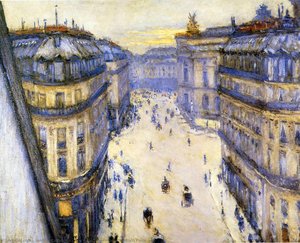
- 《从上方俯瞰大道》(Boulevard vu d’en haut (Boulevard Seen from Above)) (1880):一种引人注目的现代构图,具有动态的视角。
- 《巴黎街景;雨天》(Paris Street; Rainy Day) (1877):他最著名的作品之一,以独特而富有表现力的方式捕捉了巴黎生活的喧嚣活力。
- 《比基游戏》(The Bezique Game)(1881):一幅迷人的印象派画作,描绘了巴黎的休闲时光。

卡耶博特
1848 - 1894 , 法国
艺术家简介
- Artistic Movement Or Style: 现实主义,印象派
- Artists Or Movements Influenced By This Artist: 印象派
- Artists Who Influenced This Artist:
- 埃德加·德加
- 朱塞佩·德尼蒂斯
- Date Of Birth: 1848年8月19日
- Date Of Death: 1894年2月21日
- Full Name: 古斯塔夫·卡耶博特
- Nationality: 法国人
- Notable Artworks (List Of Titles):
- 《刨木工》
- 《雪顶屋顶》
- 《雨天街景》
- Place Of Birth (City And Country): 法国巴黎
相关文章

The Raw Truth: A Definitive Guide to the Power and Legacy of Social Realism Art
Explore the profound impact of Social Realism. Discover how masters like Courbet rejected idealism to capture the raw, socio-political truths of the working class through powerful, unvarnished art history and enduring visual critique.


