


 实景预览
实景预览
 发送
发送 分享
分享
 详情
详情 指南
指南

 下载图片
下载图片
 相似作品
相似作品 X射线
X射线 幻灯片播放
幻灯片播放 统计数据
统计数据Mrs Mounter
 Oil On Canvas
- WallArt
- Impressionist Realism
 1916
1916- Modern
 117.0 x 87.0 cm
 利物浦国家博物馆
Harold John Wilde Gilman's 'Mrs Mounter at the Breakfast Table', painted in 1916-17, captures intimate domestic life with striking color palettes and expressive brushwork—a cornerstone of Camden Town Group realism.
 阅读全文
阅读全文
Discover Harold John Wilde Gilman (1876-1919), a British painter & Camden Town Group founder. Explore intimate interiors, portraits, landscapes & his influence on early 20thC art.
艺术微喷/版画
博物馆级艺术微喷或帆布版画,制作高效,并提供多种饰面选择。 ( 订购此收藏品的纯手工复刻画作 切换至数字图像销售渠道)




P118B ¥10

P118H ¥10

P118W ¥10

P438Z ¥10

P508JH ¥12

P508YH ¥12

P805H ¥10

P805Z ¥10

P919BZ ¥10

P919G ¥10

P919XJ ¥10

P959ZH ¥10

P968JZ ¥12

W106C ¥8

W218G ¥10

W218JH ¥8

W218Y ¥10

W307PJ ¥10

W316G ¥10

W316PJ ¥8

W316Y ¥10

W398PJ ¥8

W4111J ¥10

W500HY ¥15

W500JH ¥15

W692G ¥12

W849H ¥8

W940BG ¥15

W953PJ ¥8




标准尺寸
定制
CM
INCH
您可以从与原作比例一致的预设尺寸中进行选择。
Loading sizes...

宽度
高度
请输入您所需的宽度和高度,以适配您的画框或墙面。由于印刷品只能进行裁剪,无法超出原图尺寸,因此若比例不一致,画面的一部分将会被裁切。在正式印刷之前,我们会为您发送一份数字效果图供您确认。本页面显示的图片并非最终裁剪后的效果——只有效果图才能展示真实的裁剪情况。


 玻璃选项仅适用于110厘米以下的尺寸。

Mrs Mounter
艺术微喷/版画
复刻品尺寸说明
-


总计金额
¥ 464
A Moment of Quietude: The Intimate World of Harold Gilman
In the bustling, transformative landscape of early twentieth-century London, few artists captured the profound beauty of the mundane as poignantly as Harold John Wilde Gilman. His masterpiece, Mrs Mounter, serves as a breathtaking window into a private moment, inviting the viewer to step away from the chaos of modernity and into a space of serene domesticity. Painted between 1916 and 1917, this work is far more than a mere portrait; it is an evocative study of light, warmth, and the quiet dignity found within the everyday. As a pivotal figure of the Camden Town Group, Gilman moved away from the fleeting impressions of his predecessors to embrace a style that felt deeply rooted in the tangible, emotional reality of British life.
The composition centers on a woman seated at a dining table, her presence commanding yet gentle. Clad with a striking red scarf that draws the eye immediately, she sits amidst a domestic tableau featuring two cups and a vibrant vase. The artist’s mastery is most evident in his use of color; he employs a bold, warm palette dominated by rich oranges and deep reds that bathe the scene in an amber glow. This deliberate use of hue does not merely decorate the canvas but creates a palpable atmosphere of contemplation and understated elegance. Through his expressive brushwork, Gilman imbues the inanimate objects—the porcelain, the cloth, the ceramic vase—with a sense of life and weight, reminiscent of the structural integrity found in the works of Cézanne.
Symbolism and the Soul of the Edwardian Era
Beyond its technical brilliance, Mrs Mounter resonates with a deep symbolic significance that speaks to the social values of its time. The subject’s gaze is particularly arresting; she looks directly toward the viewer, establishing an intimate, almost confrontative connection that transcends the boundaries of the frame. This directness suggests a level of self-assurance and composure reflective of the Edwardian spirit—a period characterized by a certain steadfastness even as the world stood on the precipice of monumental change. The domestic setting, while seemingly simple, acts as a sanctuary of stability.
The interplay of light and shadow within the room further enhances the painting's emotional depth. Gilman utilizes light not just to define form, but to evoke mood. The way the light catches the edge of the table and illuminates the subject’s face creates a sense of "luminous legacy," turning a routine afternoon tea into a sacred ritual of stillness. For the collector or the interior designer, this piece offers a unique psychological dimension; it provides a focal point that is both intellectually stimulating and emotionally grounding, making it an ideal centerpiece for spaces designed for reflection and comfort.
A Timeless Addition to the Modern Interior
For those seeking to curate a collection of high-quality reproductions, Mrs Mounter represents an exquisite marriage of historical importance and aesthetic versatility. The painting’s ability to harmonize bold, Post-Impressionistic colors with a soft, intimate subject matter allows it to integrate seamlessly into a variety of sophisticated decor styles—from the classic elegance of a traditional study to the curated minimalism of a contemporary loft. It is a work that does not merely hang on a wall; it breathes life into a room.
Owning a reproduction of this caliber means preserving a fragment of British Modernism. Gilman’s ability to find the extraordinary within the ordinary continues to inspire, offering a sense of warmth and connection that remains as relevant today as it was in 1916. Whether viewed as an exploration of color theory or a tribute to the quiet strength of the human spirit, this painting remains a profound testament to the enduring power of intimate portraiture.
问答详情
"Mrs Mounter" 会为空间带来怎样的氛围?
凭借其Serene的意境,建议将“Mrs Mounter”装饰于Living Room。
"Mrs Mounter" 的整体色调明亮吗?
Harold John Wilde Gilman 的《Mrs Mounter》 的视觉亮度为 balanced。它可以与目标空间的灯光完美匹配。
“Mrs Mounter”在艺术史上处于怎样的地位?
Harold John Wilde Gilman 的《Mrs Mounter》 属于 Modern 时期的 Impressionist Realism 流派。两者共同确立了该作品在艺术史上的地位。
相关艺术品


艺术家简介
Harold John Wilde Gilman: A Life in Paint
Harold John Wilde Gilman (1876-1919) was a British painter celebrated for his evocative interiors, sensitive portraits, and atmospheric landscapes. As a key figure within the Camden Town Group, he played a pivotal role in shaping early 20th-century British art.
Early Life and Education
Born in Cheltenham, United Kingdom, in 1876, Gilman received his foundational artistic training at Tonbridge School. This period nurtured his initial interest in painting and laid the groundwork for his future career. While details of his early formal education are limited, it’s clear that Tonbridge provided a crucial starting point for his artistic development.
Artistic Development & Influences
Gilman's style evolved through exposure to various influences. Initially drawn to Impressionism and Post-Impressionism, he gradually developed a distinctive approach characterized by bold color palettes, expressive brushwork, and a focus on capturing the emotional resonance of everyday scenes. He was particularly influenced by artists like Walter Sickert and Vincent van Gogh.
Key Works & Artistic Style
Gilman’s oeuvre encompasses a diverse range of subjects, but he is perhaps best known for his intimate depictions of domestic life. Some of his most celebrated works include:
- Mrs. Mounter: A poignant portrayal of a woman in her home environment, showcasing Gilman's mastery of light and atmosphere.
- Willows by a River: Demonstrates his ability to capture the beauty and tranquility of the natural world with subtle nuances.
- The Model (also known as Reclining Nude): A sensitive exploration of the human form, revealing Gilman’s skill in rendering flesh tones and capturing psychological depth.
His artistic style is marked by a blend of realism and emotional expression. He often employed a slightly muted color palette to create a sense of intimacy and introspection.
The Camden Town Group & Historical Significance
Gilman was a founding member of the Camden Town Group, an association of artists who sought to break away from traditional artistic conventions and embrace modern subject matter. The group, later known as the London Group, played a crucial role in introducing Post-Impressionist ideas to Britain.
Gilman’s contribution lies in his ability to capture the spirit of his time – a period of rapid social and cultural change. His paintings offer a glimpse into the lives of ordinary people and reflect the anxieties and aspirations of early 20th-century society.
Later Life & Legacy
Sadly, Gilman’s life was cut short by illness in 1919. Despite his relatively brief career, he left behind a significant body of work that continues to inspire artists and art enthusiasts today. His paintings are held in numerous public and private collections, ensuring his legacy as an important figure in British modernism.
Major Achievements
- Founding member of the Camden Town Group
- Development of a distinctive artistic style blending realism and emotional expression
- Creation of iconic images depicting domestic life and landscapes
- Contribution to the introduction of Post-Impressionist ideas to Britain

Harold John Wilde Gilman
1876 - 1919 , United Kingdom
快速概览
- Name: Harold John Wilde Gilman
- Movement: Camden Town Group
- Birth Date: 1876
- Death Date: 1919
- Birth Place: Cheltenham, United Kingdom
- Nationality: British
- Date Of Birth: 1876
- Date Of Death: 1919
- Notable Works:
- Mrs. Mounter
- Willows by a River
- The Model (Reclining Nude)
- Place Of Birth: Cheltenham, United Kingdom
相关文章

伦敦大英博物馆25幅杰作:艺术、历史与家居灵感 | TopImpressionists
探索伦敦大英博物馆25幅传世杰作!深入了解艺术史、著名画家和经典绘画背后的故事。从埃及文物到印象派名作,TopImpressionists为您呈现博物馆级艺术复制品与家居装饰灵感。立即在线探索完整系列!
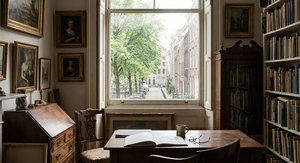
The Interior Gaze: Exploring Representations of Domestic Space in Art History
Explore the fascinating history of domestic interiors in art! From Dutch Masters to Impressionism, discover how artists captured home life & social meaning. Expert analysis and insights at TopImpressionists.

Walter Sickert: A Shadowy Realism & the Modern British Canvas
Explore the life & work of Walter Sickert, a pivotal British painter bridging Impressionism to Modernism. Discover his evocative scenes of London life, controversial legacy, and lasting influence on 20th-century art.

Robert Bevan: Pioneering British Post-Impressionism & the Camden Town Group's Intimate Vision
Explore the life & work of Robert Bevan, a pioneer of British Post-Impressionism and founding member of the Camden Town Group. Discover his vibrant landscapes and lasting impact on early 20th-century art.

Harmonizing Contrasts: Integrating Abstract Art into Classic Interiors for Timeless Modernity
Elevate your classic home with abstract art! Discover expert tips for seamlessly blending modern pieces into timeless interiors. Find the perfect artwork & design advice at TopImpressionists.