

 实景预览
实景预览
 分享
分享 分享
分享
 详情
详情 指南
指南

 下载作品
下载作品
 相似作品
相似作品 X射线
X射线 幻灯片播放
幻灯片播放 问答
问答 统计数据
统计数据The Shipwreck


 展开全文
展开全文
艺术微喷/版画
博物馆级艺术微喷或帆布版画,制作高效,并提供多种饰面选择。 ( 订购纯手工绘制画作 切换至数字图像销售渠道)




P118B ¥10

P118H ¥10

P118W ¥10

P438Z ¥10

P508JH ¥12

P508YH ¥12

P805H ¥10

P805Z ¥10

P919BZ ¥10

P919G ¥10

P919XJ ¥10

P959ZH ¥10

P968JZ ¥12

W106C ¥8

W218G ¥10

W218JH ¥8

W218Y ¥10

W307PJ ¥10

W316G ¥10

W316PJ ¥8

W316Y ¥10

W398PJ ¥8

W4111J ¥10

W500HY ¥15

W500JH ¥15

W692G ¥12

W849H ¥8

W940BG ¥15

W953PJ ¥8




标准尺寸
定制
CM
INCH
您可以从与原作比例一致的预设尺寸中进行选择。
Loading sizes...

宽度
高度
请输入您所需的宽度和高度,以适配您的画框或墙面。由于印刷品只能进行裁剪,无法超出原图尺寸,因此若比例不一致,画面的一部分将会被裁切。在正式印刷之前,我们会为您发送一份数字效果图供您确认。本页面显示的图片并非最终裁剪后的效果——只有效果图才能展示真实的裁剪情况。


 玻璃选项仅适用于110厘米以下的尺寸。

The Shipwreck
艺术微喷/版画
复刻品尺寸
-


最终结算价
¥ 470
The Shipwreck – A Study in Ruin and Resilience
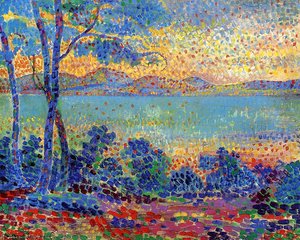
Henri Edmond Cross’s “The Shipwreck,” painted in 1906, isn't merely a depiction of maritime disaster; it’s a profound meditation on the collision between human ambition and the relentless power of nature. This oil-on-canvas masterpiece, currently residing within the hallowed halls of the Musée d’Orsay in Paris, captures a scene of dramatic chaos – a shattered sailboat violently confronting a tempestuous sea – yet beneath the surface turmoil lies an undeniable sense of beauty and a poignant exploration of vulnerability. Cross, a pivotal figure in the Neo-Impressionist movement, masterfully employed the principles of Pointillism, meticulously layering tiny dots of color to create luminous effects and evoke a palpable atmosphere.
The painting’s genesis is deeply intertwined with Cross's personal life and artistic evolution. Following his relocation to southern France in 1891, seeking respite from illness, he began to experiment with the Pointillist technique, initially influenced by Paul Signac. However, unlike Signac’s often precise and geometrically structured compositions, Cross infused his work with a distinctly emotive quality. He wasn't simply replicating visual reality; he was translating feeling into color and light. The turbulent sky, rendered in swirling blues and greens, isn’t merely atmospheric; it embodies the raw emotion of impending doom. Similarly, the fractured hull of the vessel, partially submerged beneath the frothing waves, speaks to a profound sense of loss and destruction.
The Language of Color and Light – Pointillist Technique
Cross's mastery lies in his skillful manipulation of color theory within the Pointillist framework. He didn’t blend colors on the palette; instead, he applied them directly to the canvas in discrete dots, allowing the viewer’s eye to optically mix them. This technique creates an extraordinary vibrancy and luminosity, particularly noticeable in the reflections shimmering off the water's surface and the billowing sails of the doomed vessel. The artist strategically employed complementary color pairings – blues against oranges, greens against reds – to heighten visual impact and create a dynamic tension within the composition. The use of broken color is not just a technical exercise; it’s a deliberate choice that contributes significantly to the painting's emotional resonance.
Furthermore, Cross’s brushwork, though adhering to the Pointillist principles, possesses an expressive quality rarely associated with the movement. The dots aren’t uniformly applied; they vary in size and density, creating subtle shifts in tone and texture. This deliberate irregularity adds a layer of spontaneity and immediacy to the work, preventing it from feeling overly calculated or sterile. It's as if the artist is channeling his own turbulent emotions onto the canvas, mirroring the chaos of the depicted scene.
Symbolism and Emotional Resonance
Beyond its technical brilliance, “The Shipwreck” resonates deeply on an emotional level. The image evokes a sense of vulnerability in the face of overwhelming forces – a potent metaphor for the human condition. The shattered vessel represents not just a physical loss but also the fragility of ambition, dreams, and even life itself. The storm raging around it symbolizes the unpredictable nature of fate and the inevitability of destruction.
However, amidst this depiction of ruin, there’s an underlying current of resilience. The sails, though torn and battered, still billow with a defiant energy, suggesting a refusal to surrender completely. The light breaking through the clouds hints at the possibility of hope, even in the darkest of circumstances. Cross masterfully balances despair and optimism, creating a work that is both hauntingly beautiful and profoundly moving.
A Legacy of Impressionistic Innovation
“The Shipwreck” stands as a testament to Henri Edmond Cross’s innovative spirit and his pivotal role in shaping the trajectory of modern art. His pioneering use of Pointillism, combined with his expressive color palette and evocative brushwork, profoundly influenced subsequent generations of artists, including Matisse and later Fauvist painters. It's a painting that continues to captivate viewers with its dramatic intensity, technical sophistication, and enduring emotional power – a timeless reminder of the beauty and tragedy inherent in the human experience.
常见问题与解答
如何将 亨利·埃蒙·克罗斯 (Hénglí Àimèng Kèlǔsī) 的《The Shipwreck》 应用于家居装饰中?
建议将“The Shipwreck”用于Statement,推荐摆放空间为Living Room。
亨利·埃蒙·克罗斯 (Hénglí Àimèng Kèlǔsī) 的《The Shipwreck》 的色彩特征是什么?
亨利·埃蒙·克罗斯 (Hénglí Àimèng Kèlǔsī) 的《The Shipwreck》 的色彩特征:Neutrals 色调,以 Clay (#b07442) 为主导。
亨利·埃蒙·克罗斯 (Hénglí Àimèng Kèlǔsī) 的《The Shipwreck》 融合了怎样的主题与氛围?
"The Shipwreck" 描绘了 shipwreck, sea, storm, boats, coastline, ruin, landscape, rescue,并传达出 Dramatic 的意境。
相似作品




艺术家简介
光影交织的一生:亨利·埃蒙·克罗斯的艺术之旅
亨利·埃蒙·克罗斯,原名亨利-埃蒙·约瑟夫·德拉克鲁瓦,1856年出生于法国北部杜埃镇。他的生命与作品紧密相连,始终追寻着光、色彩以及和谐共存的美好愿景。克罗斯的故事是一段艺术的演变历程,既受到个人经历的影响,也源于他对前卫理念的热烈拥抱。作为一位冒险父亲和英国母亲之子,克罗斯早年移居里尔,在那里他的天赋被奥古斯特·索恩斯博士所认可并悉心培养。这位赞助人慷慨资助他向卡罗吕斯-杜兰学习,这段基础训练赋予了他对古典技巧的尊重——这种根基后来在他投身革命性的新印象主义运动时被巧妙地颠覆。即使在早期,克罗斯也渴望塑造独特的艺术个性,因此他将“克罗斯”作为名字的一部分,并最终于1886年完全过渡到“亨利-埃蒙·克罗斯”,以此区别于著名的欧仁·德拉克鲁瓦和另一位同姓的当代艺术家。这一举动象征着更大的抱负:在瞬息万变的世界中定义独特的艺术声音。从现实主义到绚丽的分色主义
克罗斯最初的艺术探索倾向于现实主义传统,体现在肖像画和静物作品上,这些作品展现了精湛的技巧,但缺乏鲜明的个性。然而,19世纪80年代的巴黎艺术界充斥着新的思想,克罗斯越来越被新印象主义运动所吸引——这项运动由乔治·修拉和保罗·西涅克领导。这次相遇具有变革性意义。这种对色彩理论的科学方法、一丝不苟地运用微小的、独特的笔触(或“点”)来创造光学混合,深深地引起了他的共鸣。与此同时,复发性的风湿病促使他寻求南法的慰藉,从1883年开始,最终于1891年在圣克莱定居。这个地区的明亮光线和充满活力的风景成为他艺术愿景不可或缺的一部分。他并没有简单地复制修拉的点彩主义,而是对其进行了发展,偏爱更大、更具马赛克风格的笔触,这些笔触保留了分色色彩的光辉,同时允许更大的表现自由。这种“第二代”新印象主义以其大胆的色度强度和动态构图为特征——这成为他独特的标志。无政府主义理想与乌托邦愿景
除了技术创新之外,克罗斯的作品还深受强烈的社会和政治理想的影响——特别是无政府主义信仰。这种信念并非公然宣传,而是体现在他对田园乡村场景的描绘中,展现了人类与自然和谐共存的景象,以此作为对现代都市生活 perceived 的腐败和异化的替代方案。他的绘画不仅仅是审美练习,更是倡导一个更加公平和平等世界的视觉声明。这种意识形态的影响微妙地编织在他的构图中,赋予它们一种乌托邦式的渴望感。《暴风雨来临之前》和《傍晚的农场》不仅仅是对自然的再现;它们是象征着公正社会的寓言——鲜艳的色彩和动态笔触唤起能量和乐观,暗示着转变与更新。他试图捕捉一个人类与周围环境和谐相处的世界,摆脱工业化和社会等级制度的束缚。对现代艺术的遗产与影响
亨利·埃蒙·克罗斯的艺术之旅最终成就了一系列深刻影响了现代艺术进程的作品。他在1905年于德鲁埃画廊举办的首次个人展览,随后在1908年由费利克斯·费内翁在伯恩海姆-耶纳画廊组织的追溯展,巩固了他作为新印象主义运动领导人物的声誉。然而,他的影响力超越了这项运动。他对非本地色彩的大胆运用——不是根据其自然外观而是为了表达效果而应用颜色——以及他敢于扭曲形式为传统约束铺平了道路,为野兽派的激进实验开辟了新的途径。像亨利·马蒂斯和安德烈·德兰这样的艺术家深受克罗斯作品的启发,认识到其中蕴含着对传统束缚的解放以及通往更大艺术自由的途径。他证明了色彩不仅可以用来表现现实,还可以用来唤起情感并创造纯粹的视觉体验。 他于1910年在圣克莱因癌去世,留下了一份遗产,至今仍在激励着艺术家和艺术爱好者。他的绘画仍然是色彩、光线和形式变革潜力的强大证明——也是艺术作为社会和政治表达媒介的持久力量的证明。关键作品与持续的相关性
有几部作品特别代表了克罗斯的艺术愿景:- 暴风雨来临之前(又名《风暴》):他新印象主义风景画的典型例子,捕捉到戏剧性的天空并暗示着潜在的无政府主义主题。
- 洗衣妇:展示了他对点彩主义和分色主义的掌握,以充满活力色彩和动态构图描绘了日常生活的场景。
- 傍晚的农场:对农村生活的宁静描绘,体现了他对人类与自然和谐共存的乌托邦愿景。

亨利·埃蒙·克罗斯 (Hénglí Àimèng Kèlǔsī)
1856 - 1910 , 法国
艺术家简介
- 代表作品:
- 暴风雨来临
- 洗衣妇
- 傍晚的农场
- 出生地: 法国杜埃
- 出生日期: 1856年
- 受此艺术家影响的艺术家或运动:
- 亨利·马蒂斯
- 野兽派
- 国籍: 法国
- 姓名: 亨利·埃蒙·克罗斯
- 影响此艺术家的艺术家:
- 乔治·修拉
- 保罗·西涅克
- 艺术运动或风格: 新印象派
- 逝世日期: 1910年
相关文章

The Science of Light: Decoding the Optical Precision of Neo-Impressionism
Explore the scientific brilliance of Neo-Impressionism. Discover how masters like Georges Seurat revolutionized art through optical mixing, color theory, and the precision of Pointillism to capture the true essence of light.

Impressionism's Masterpieces: 10 Paintings That Defined a Movement | TopImpressionists
Journey through Impressionism's heart with 10 iconic paintings by Monet, Renoir & Degas. Explore light, color & the stories behind these masterpieces. Find museum-quality art reproductions and elevate your home decor on TopImpressionists.com.

马蒂斯大师25幅杰作:色彩与光影的艺术传奇 | TopImpressionists
探索亨利·马蒂斯25幅杰作,感受野兽派色彩的魅力!从《舞蹈》到《红色和谐》,揭秘大师背后的故事与艺术灵感。TopImpressionists.com提供博物馆级高质量油画复制品,为您的家居增添奢华艺术气息。立即在线探索完整系列!

印象派巨著:十幅定义艺术流派的杰作,点亮您的臻美家居
探索印象派艺术的巅峰!本文精选十幅定义这一伟大流派的杰作,从莫奈的光影到雷诺阿的柔情。了解艺术家故事、绘画技巧与作品背后的灵感。TopImpressionists.com为您提供博物馆品质的画作复制品和家居装饰方案,点亮您的生活空间。尽在TopImpressionists.com!

Henri Edmond Cross: A Pioneer of Neo-Impressionism & the Divisionist Aesthetic
Explore the life & art of Henri Edmond Cross, a pivotal Neo-Impressionist painter. Discover his innovative divisionist technique, political affiliations, and lasting influence on modern art movements like Fauvism. Learn about key works & legacy.

