





























从与原作比例一致的预设尺寸中进行选择。

您可以输入自定义尺寸,以适配特定的画框或空间。如果您选择的尺寸与原图比例不符,我们将对作品进行裁剪,或通过镜像填充/纯色填充边缘的方式来扩展图像。在开始制作之前,我们会向您发送一份数字效果图供您确认。
请注意,屏幕上的预览并不能反映实际的裁剪或扩展效果。只有效果图才能准确展示最终的构图。
虽然我们提供定制尺寸,但为了保持原图比例,我们建议您从预设列表中选择尺寸。

The Arm
复制品尺寸
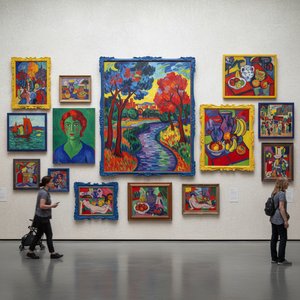
Henri Matisse’s “The Arm,” painted in 1938, isn't merely a depiction of a woman’s limb; it’s an explosion of vibrant emotion rendered with the audacious spirit that defined the Fauvist movement. This intimate yet powerfully expressive work immediately commands attention, drawing the viewer into a world where color reigns supreme and traditional representational concerns are delightfully abandoned. The painting captures a fleeting moment – perhaps a gesture, a contemplation – imbued with a sense of intense feeling through Matisse’s masterful manipulation of hue and brushstroke. It's a testament to his belief that color itself could be a subject, capable of conveying mood, emotion, and even narrative.

At first glance, the composition appears deceptively simple: a green dress against a backdrop of blue. However, this is precisely where Matisse’s genius lies. He doesn't merely paint colors; he orchestrates them. The intense emerald green of the dress vibrates against the cool, almost ethereal blue of the background, creating a dynamic tension that immediately grabs the eye. These aren’t naturalistic shades; they are deliberately heightened and saturated, characteristic of Fauvist technique. Notice how Matisse employs thick, visible brushstrokes – a deliberate rejection of illusionism – to build up layers of color and texture. The interplay between these bold hues generates a palpable sense of energy and movement, suggesting not just the form of the arm but also the underlying passion within.
“The Arm” is a quintessential example of Fauvist art, a movement that emerged around 1904 and profoundly challenged the established conventions of painting. The term “Fauve,” meaning “wild beast,” aptly describes this style’s unrestrained use of color and its rejection of academic realism. Matisse, along with André Derain, spearheaded this revolution, prioritizing expressive power over accurate representation. This wasn't about depicting reality; it was about conveying feeling through the language of color. The painting reflects a shift towards subjective experience, where the artist’s emotional response becomes paramount. It’s important to note that Matisse’s work in Fauvism built upon earlier influences, particularly the Impressionists and Post-Impressionists, but he pushed these ideas to their most radical conclusion.
Beyond its purely Fauvist qualities, “The Arm” also reveals subtle echoes of Orientalist themes – a stylistic influence that was prevalent in Matisse’s work. The use of bold patterns and vibrant colors reminiscent of Middle Eastern textiles suggests an awareness of the exotic and the sensual. However, unlike traditional Orientalist paintings, which often depicted idealized or romanticized scenes, Matisse's approach is far more direct and emotionally charged. The painting transcends its specific influences, offering a universal exploration of human form and emotion—a testament to Matisse’s ability to distill complex ideas into a single, captivating image. It invites contemplation on themes of beauty, desire, and the power of color to evoke profound feelings.

1869 - 1954 , 法国

探索亨利·马蒂斯25幅杰作,感受野兽派色彩的魅力!从《舞蹈》到《红色和谐》,揭秘大师背后的故事与艺术灵感。TopImpressionists.com提供博物馆级高质量油画复制品,为您的家居增添奢华艺术气息。立即在线探索完整系列!

Explore 10 Fauvist masterpieces by Matisse, Derain & Vlaminck that ignited Modern Art! Discover bold colors, expressionist landscapes & the history of this revolutionary movement. Find museum-quality prints at TopImpressionists.com.
探索 fauve 艺术运动的十部杰作!马蒂斯、德兰伊等大师的色彩与激情,定义了现代艺术。深入了解绘画背后的故事,发现壁画、装饰画等经典作品。TopImpressionists.com 提供博物馆品质的艺术复制品和精选家居装饰方案。在线探索完整系列!

Immerse yourself in the captivating world of slate blue! Explore 10 iconic paintings by Monet, Van Gogh & Renoir. Discover their stories, techniques & find museum-quality art reproductions for your home at .

Explore the rich history & symbolism of green in art! Discover iconic paintings, techniques, and how to bring verdant harmony into your home with TopImpressionists's expert guide.


第一时间获取最新的艺术新闻、独家优惠及装饰灵感。
向我们介绍您的项目需求,我们的艺术专家将为您提供 3 个个性化的艺术品推荐。
由我们的专家为您精选 3 款心仪之作 —— 完全免费!


 效果预览
效果预览
 购买手绘画作
 分享
分享 分享
分享
 详情
详情

 下载
下载
 相似作品
相似作品 X射线
X射线 幻灯片播放
幻灯片播放


 展开详情
展开详情









 玻璃选项仅适用于110厘米以下的尺寸。


