


 实景预览
实景预览
 发送
发送 分享
分享
 详情
详情 指南
指南

 下载图片
下载图片
 相似作品
相似作品 X射线
X射线 幻灯片播放
幻灯片播放 统计数据
统计数据The Windshield


 阅读全文
阅读全文
手工油画复制品
由我们的艺术家按需定制,为您提供您所选尺寸及画框的布面手工油画。 ( 切换至版画销售渠道 切换至数字图像销售渠道)




P118B ¥10

P118H ¥10

P118W ¥10

P438Z ¥10

P508JH ¥12

P508YH ¥12

P805H ¥10

P805Z ¥10

P919BZ ¥10

P919G ¥10

P919XJ ¥10

P959ZH ¥10

P968JZ ¥12

W106C ¥8

W218G ¥10

W218JH ¥8

W218Y ¥10

W307PJ ¥10

W316G ¥10

W316PJ ¥8

W316Y ¥10

W398PJ ¥8

W4111J ¥10

W500HY ¥15

W500JH ¥15

W692G ¥12

W849H ¥8

W940BG ¥15

W953PJ ¥8




标准尺寸
定制
CM
INCH
您可以从与原作比例一致的预设尺寸中进行选择。
Loading sizes...

宽度
高度
请输入您需要的宽度和高度,以适配您的画框或墙面。由于作品为手工绘制,若您选择不同的尺寸比例,艺术家可能会在画面边缘多画一些或稍作裁剪 —— 由您决定。在开始绘画之前,我们会为您发送一份数字效果图供您确认。本页面上展示的图片并非最终实物 —— 只有效果图才能反映真实结果。
可定制示例:将面部替换为客户照片;添加宠物(例如,将猫替换为狗);在背景中加入隐藏信息;更改背景风景或元素。
下单后,TopImpressionists.com 团队将通过电子邮件联系客户获取具体要求,并提供效果预览图
下单后,TopImpressionists.com 团队将通过电子邮件联系客户获取具体要求,并提供效果预览图


 玻璃选项仅适用于110厘米以下的尺寸。

The Windshield
复制品材质
复刻品尺寸说明
-


总计金额
¥ 1806
The Windshield: A Glimpse of Modernity Through Matisse's Eyes
Henri Matisse’s "The Windshield," created in 1917, is more than just a depiction of a car; it's a vibrant snapshot of early 20th-century modernity and a testament to the artist's innovative approach to perspective. Measuring 38 x 55 cm, this painting encapsulates the spirit of Fauvism while simultaneously reflecting the changing landscape of urban life and technological advancement.
Composition and Subject Matter
The composition of "The Windshield" is strikingly unique. Instead of presenting a traditional exterior view of a car, Matisse positions the viewer inside the vehicle, looking out through the windshield. This unusual perspective immediately draws the audience into the scene, creating an immersive experience. The road stretches forward, flanked by trees that suggest movement and depth. A steering wheel is visible on the right side, and a figure can be discerned in the driver's seat, subtly hinting at the human element within this mechanical setting. The painting isn’t about precise representation; it’s about conveying the feeling of being in motion, experiencing the world from a new vantage point.
Fauvist Style and Color Palette
As a quintessential example of Fauvism, "The Windshield" showcases Matisse's signature use of bold colors and energetic brushstrokes. The palette isn’t naturalistic; instead, it employs vibrant hues—shades of white, grey, brown, and pink – to create an emotional impact rather than a photographic likeness. Brushstrokes are visible and expressive, contributing to the painting's sense of spontaneity and dynamism. This departure from traditional representational art forms was revolutionary at the time, prioritizing emotional expression over strict adherence to reality. The flattened perspective and simplified shapes further emphasize this stylistic choice.
Historical Context and Symbolism
The painting’s creation in 1917 places it within a period of significant technological and social change. The automobile was rapidly transforming urban life, symbolizing progress, freedom, and the burgeoning modern era. Matisse's depiction of a car in motion captures this sense of forward momentum and reflects the excitement surrounding these new advancements. Beyond its literal subject matter, "The Windshield" can be interpreted as a symbol of human connection to technology and the changing relationship between individuals and their environment. The enclosed space of the car also suggests a degree of privacy and introspection within the bustling modern world.
Matisse's Legacy and Artistic Significance
Henri Matisse is widely recognized, alongside Pablo Picasso, as one of the most influential artists of the 20th century. His pioneering work in Fauvism paved the way for numerous avant-garde movements and continues to inspire artists today. "The Windshield" stands as a testament to his innovative spirit and artistic vision—a captivating piece that embodies the essence of Fauvist art while offering a unique perspective on modernity. For those interested in exploring more of Matisse's works, consider:
- La Chaise aux pêches Huile sur Toile Collection Particulière by Henri Matisse, available at Henri Matisse:La Chaise aux pêches Huile sur Toile Collection Particulière
- Zorah sur la terrasse Moscou, Musée Pouchkine by Henri Matisse, available at Henri Matisse:Zorah sur la terrasse Moscou, Musée Pouchkine
- Les Tapis rouges Huile sur Toile - (89x116) by Henri Matisse, available at Henri Matisse:Les Tapis rouges Huile sur Toile - (89x116)
For a deeper understanding of the Fauvist movement and its impact on modern art, visit The Museum of the Annunciation (France) - A Haven for Art Lovers on TopImpressionists.
问答详情
在“The Windshield”中,哪种颜色最为醒目?
玫瑰棕 (#a78879) 是 亨利·马蒂斯 的《The Windshield》 的主导色。
"The Windshield" 属于哪种艺术风格?
“The Windshield”是一件Fauvism时期的作品。该艺术流派指明了作品所属的艺术传统。
在“The Windshield”中,媒介与笔触是如何结合的?
“The Windshield”采用 布面油画 创作,呈现出 Fauvism 风格。


艺术家简介
色彩大师:亨利·马蒂斯的一生
亨利·埃米尔·贝努瓦·马蒂斯,1869年12月31日出生于法国北部的小镇勒卡托-坎布雷西斯,他的人生轨迹并非注定要沉浸在颜料和线条之中。最初,他在巴黎学习法律,但在1889年的一次阑尾炎病发改变了他的一切。卧床期间,母亲赠送的画具点燃了他潜藏的热情——这不仅仅是一种消遣,更是一次启示,将他引向了一个色彩成为语言、画布成为领域的艺术世界。尽管成长于博安-恩-韦尔芒多瓦,他的父母是谷物商,马蒂斯似乎不太可能拥抱艺术家那种波西米亚式的生活,但种子已经播下,在病愈和奉献中生根发芽。他进入了朱利安学院学习,后来又进入国立美术学院,分别师从威廉·阿道夫·布格罗和古斯塔夫·莫罗,汲取古典技巧,为他未来的创新奠定了基础。早期的作品反映了这种学术训练,展示了熟练的技艺,但缺乏定义他的独特声音。野兽派的曙光与大胆实验
一个关键时刻出现在1896年,他在澳大利亚画家约翰·罗素的陪伴下参观了贝尔岛。这次相遇证明是具有变革意义的。罗素向他介绍了印象派的鲜活世界,更重要的是,向他展示了文森特·梵高的充满情感的画作。影响深远。梵高对色彩富有表现力的运用打破了马蒂斯此前受约束的调色板,促使他走向一种更大胆、更主观的方法。他开始远离土色系,拥抱与感觉产生共鸣而非严格再现的色调。这种探索最终导致了野兽派运动的兴起,大约在1905年——一个马蒂斯成为领军人物的运动。这个名称本身,意为“狂野的野兽”,最初是批评家对该小组令人震惊的鲜艳和非自然主义绘画作品在秋季沙龙上展出的贬义词。马蒂斯与安德烈·德雷恩、莫里斯·德·瓦拉明克等艺术家一起,倡导将色彩作为表达的独立要素,简化形式以放大其影响。如《南瓜》(1905)这样的画作体现了这种风格——一种红、绿、黄色的狂欢,这些颜色运用了一种无拘无束的方式,不顾传统透视和模仿准确性。关键特征包括高饱和度的调色板、简化的形状、富有表现力的笔触以及为了情感共鸣而有意识地拒绝传统的表征。精致与装饰和谐
在野兽派最初的热烈之后,马蒂斯的风格经历了微妙但重大的演变。尽管他从未放弃对色彩的热爱,他的作品变得更加精致,倾向于一种强调扁平形状和复杂图案的装饰美学。他探索了休闲、家庭生活和人体的题材,创造出既和谐又具有情感共鸣的构图。1917年搬到法国里维埃拉的尼斯进一步影响了这种转变,为他的作品注入了一种宁静和古典平衡感。他开始专注于创造环境——绘画、雕塑和装饰品——这些环境旨在让观众沉浸在美丽和安宁的气氛中。这一时期见证了他尝试不同的媒介,包括陶瓷和纺织品,将他的艺术视野扩展到传统的画布之外。他不仅仅是在描绘场景;他是在构建一个旨在唤起特定情感反应的世界。马蒂斯开始关注创造一种平衡、纯净和没有令人不安或沮丧主题的艺术,“就像一把舒适的扶手椅一样”。晚年:限制中的创新
随着健康状况下降,限制了他在传统方式上绘画的能力,马蒂斯踏上了他艺术之旅的一个非凡的新篇章——创作剪纸拼贴画(découpages)。从1947年开始,这些作品源于一种实际的需要。由于卧床不起,他无法站立并绘画,但他仍然可以用剪刀操纵纸张。最初作为一种实用的解决方案而出现的这种做法演变成了一种突破性的艺术技巧。他会将大张纸涂上鲜艳的颜色,然后将它们剪成形状——有机形式、树叶、人物——并将它们排列在画布上,创造出既充满活力又看似简单的构图。这些découpages不仅仅是绘画的替代品;它们代表了一种关于色彩、形状和构成的全新思维方式。他们继续探索了这些元素,即使在身体限制面前也展示了他持久的艺术愿景。- 剪纸技术使他能够实现一种难以用油漆实现的形状和颜色的纯度。
- 这些作品经常参考他绘画中更早的主题和动机,但以一种新鲜而创新的方式呈现出来。
- 他们展示了他整个职业生涯中适应和发展的能力。
持久的遗产:马蒂斯对现代艺术的影响
1954年,马蒂斯在尼斯去世,留下了一系列作品,这些作品继续吸引着世界各地的观众。他对艺术世界的贡献是不可否认的;他挑战了传统的表征观念,捍卫了色彩的表现力,并为后来的艺术家们铺平了道路。他经常被认为是与巴勃罗·毕加索齐名的20世纪最重要的艺术家之一,马蒂斯从根本上塑造了现代主义。他的遗产超越了他自己的作品——它还包括一种庆祝欢乐、美丽和色彩变革潜力的哲学。他不仅仅是在画他所看到的;他正在为观众创造一种情感体验,邀请他们分享他对一个沐浴在光线和鲜艳色调中的世界的愿景。马蒂斯的影响力可以体现在各个学科的无数作品中,巩固了他作为现代艺术真正大师的地位——一位敢于看到世界并非如其所是的,而是可能的样子的一位画家,充满了色彩、和谐和无限的可能性。
亨利·马蒂斯
1869 - 1954 , 法国
快速概览
- Artistic Movement Or Style: 野兽派,现代主义
- Artists Or Movements Influenced By This Artist:
- 毕加索
- 现代艺术
- 表现主义
- Artists Who Influenced This Artist:
- 梵高
- 夏尔丹
- 拉塞尔
- Date Of Birth: 1869年12月31日
- Date Of Death: 1954年11月3日
- Full Name: 亨利·马蒂斯
- Nationality: 法国人
- Notable Artworks:
- 《葫芦瓜》
- 《劳瑞特戴白色头巾》
- Place Of Birth: 勒卡托-坎布雷西斯, 法国
相关文章

Fauvism's Boldest Visions: 10 Masterpieces That Revolutionized Modern Art | TopImpressionists
Explore 10 Fauvist masterpieces by Matisse, Derain & Vlaminck that ignited Modern Art! Discover bold colors, expressionist landscapes & the history of this revolutionary movement. Find museum-quality prints at TopImpressionists.com.

Evocations of Place: A Historical Journey Through Landscape Art
Explore the rich history of landscape art with TopImpressionists. Discover renowned artists, movements like Impressionism & Romanticism, and expert guidance for collecting timeless pieces. Find your perfect serene escape today!

马蒂斯大师25幅杰作:色彩与光影的艺术传奇 | TopImpressionists
探索亨利·马蒂斯25幅杰作,感受野兽派色彩的魅力!从《舞蹈》到《红色和谐》,揭秘大师背后的故事与艺术灵感。TopImpressionists.com提供博物馆级高质量油画复制品,为您的家居增添奢华艺术气息。立即在线探索完整系列!
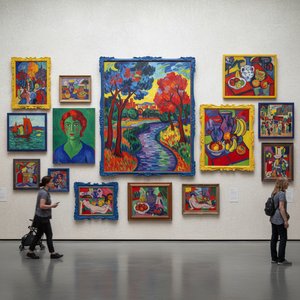
fauve艺术运动的十部巨作:色彩与激情的史诗
探索 fauve 艺术运动的十部杰作!马蒂斯、德兰伊等大师的色彩与激情,定义了现代艺术。深入了解绘画背后的故事,发现壁画、装饰画等经典作品。TopImpressionists.com 提供博物馆品质的艺术复制品和精选家居装饰方案。在线探索完整系列!

浪漫主义画派的十部巨作:定义风景画的艺术传奇
探索浪漫主义风景画的巅峰!本文精选十部经典名作,带您领略莫奈、库尔贝等大师的艺术魅力。感受色彩与光影的诗意,重温自然风光的震撼。TopImpressionists.com为您提供博物馆级别的艺术复制品和个性化家居装饰方案。尽在TopImpressionists.com!


