


 效果预览
效果预览
 分享
分享 分享
分享
 详情
详情 指南
指南

 下载
下载
 相似作品
相似作品 X射线
X射线 幻灯片播放
幻灯片播放 统计数据
统计数据untitled (629)


 展开详情
展开详情
艺术微喷/版画
博物馆级艺术微喷或帆布版画,制作高效,并提供多种饰面选择。 ( 购买手绘画作 切换至数字图像销售渠道)




P118B $10

P118H $10

P118W $10

P438Z $10

P508JH $12

P508YH $12

P805H $10

P805Z $10

P919BZ $10

P919G $10

P919XJ $10

P959ZH $10

P968JZ $12

W106C $8

W218G $10

W218JH $8

W218Y $10

W307PJ $10

W316G $10

W316PJ $8

W316Y $10

W398PJ $8

W4111J $10

W500HY $15

W500JH $15

W692G $12

W849H $8

W940BG $15

W953PJ $8




标准尺寸
定制
CM
INCH
从与原作比例一致的预设尺寸中进行选择。
Loading sizes...

宽度
高度
您可以输入自定义尺寸,以适配特定的画框或空间。如果您选择的尺寸与原图比例不符,我们将对作品进行裁剪,或通过镜像填充/纯色填充边缘的方式来扩展图像。在开始制作之前,我们会向您发送一份数字效果图供您确认。
请注意,屏幕上的预览并不能反映实际的裁剪或扩展效果。只有效果图才能准确展示最终的构图。
虽然我们提供定制尺寸,但为了保持原图比例,我们建议您从预设列表中选择尺寸。


 玻璃选项仅适用于110厘米以下的尺寸。

untitled (629)
艺术微喷/版画
复制品尺寸
-


最终总价
$ 69
A Symphony of Color and Tranquility
In the realm of modern art, few names evoke as much immediate sensory delight as Henri Matisse. His work "Untitled (629)" serves as a breathtaking testament to the power of color to transcend mere representation. Created around 1909, this masterpiece is far more than a simple arrangement of fruit; it is an embodiment of the Fauvist spirit—a bold, revolutionary assertion that color itself can be the primary expressive language of a canvas. As one gazes upon this composition, they are not merely looking at a dining table, but rather entering a world where light and hue dance in a rhythmic, energetic embrace.
The painting captures a moment of quiet abundance, featuring a vibrant still life that breathes with life. Scattered across the surface of the table, apples glow with an incandescent warmth, while oranges radiate a citrusy vibrancy that seems to pulse against the canvas. A solitary pear sits nestled within this chromatic explosion, offering a grounding element of pale green that provides a necessary breath of stillness amidst the surrounding heat. This careful arrangement of fruit and vegetables, accompanied by the subtle presence of an open book, suggests a scene of leisurely contemplation—a cozy, domestic sanctuary where time slows down to allow for the simple joys of nourishment and reading.
The Mastery of Fauvist Technique
To understand the profound impact of this work, one must look closely at Matisse’s deliberate departure from the precision of Impressionism. Eschewing fine, blended transitions, Matisse employs a technique characterized by loose, spontaneous brushstrokes that imbue the scene with a palpable sense of movement. The palette is a masterful study in contrast: deep, sun-drenched shades of yellow, orange, and red are skillfully juxtaposed against muted greens and earthy browns. These colors are applied in distinct, energetic patches rather than smooth gradients, creating a visual rhythm that draws the eye across the table in a continuous, flowing motion.
This approach was central to the Fauvist movement—a term derived from "les Fauves," or "the wild beasts"—which Matisse helped spearhead alongside contemporaries like André Derain. By rejecting the academic demand for naturalistic detail, Matisse liberated color from its traditional role of merely describing reality. In "Untitled (629)," color does not just describe an apple; it is the essence of the apple's vitality. For the collector or interior designer, this technique offers a unique decorative advantage: the painting possesses a structural strength and a luminous quality that can anchor a room, providing both a focal point of intense energy and a sense of sophisticated, modern elegance.
An Invitation to Emotional Resonance
Beyond its technical brilliance, "Untitled (629)" offers a profound emotional resonance that continues to captivate viewers over a century later. There is an inherent optimism found within these vibrant hues—a celebration of life, light, and the beauty of the everyday. The painting evokes a sense of tranquility and warmth, making it an ideal piece for spaces designed for relaxation and rejuvenation. It invites the viewer to step away from the complexities of the modern world and find solace in the simplified, beautiful forms of nature.
For those seeking to adorn their homes or galleries with a high-quality reproduction, this work represents an opportunity to possess a fragment of art history. It is a piece that speaks to the soul through its unapologetic joy. Whether placed in a sunlit breakfast nook or as a bold statement in a contemporary living area, Matisse’s mastery of decorative pattern and color ensures that "Untitled (629)" remains a timeless source of inspiration, bringing the legendary warmth of the French Fauvist tradition into the modern interior.


艺术家简介
色彩大师:亨利·马蒂斯的一生
亨利·埃米尔·贝努瓦·马蒂斯,1869年12月31日出生于法国北部的小镇勒卡托-坎布雷西斯,他的人生轨迹并非注定要沉浸在颜料和线条之中。最初,他在巴黎学习法律,但在1889年的一次阑尾炎病发改变了他的一切。卧床期间,母亲赠送的画具点燃了他潜藏的热情——这不仅仅是一种消遣,更是一次启示,将他引向了一个色彩成为语言、画布成为领域的艺术世界。尽管成长于博安-恩-韦尔芒多瓦,他的父母是谷物商,马蒂斯似乎不太可能拥抱艺术家那种波西米亚式的生活,但种子已经播下,在病愈和奉献中生根发芽。他进入了朱利安学院学习,后来又进入国立美术学院,分别师从威廉·阿道夫·布格罗和古斯塔夫·莫罗,汲取古典技巧,为他未来的创新奠定了基础。早期的作品反映了这种学术训练,展示了熟练的技艺,但缺乏定义他的独特声音。野兽派的曙光与大胆实验
一个关键时刻出现在1896年,他在澳大利亚画家约翰·罗素的陪伴下参观了贝尔岛。这次相遇证明是具有变革意义的。罗素向他介绍了印象派的鲜活世界,更重要的是,向他展示了文森特·梵高的充满情感的画作。影响深远。梵高对色彩富有表现力的运用打破了马蒂斯此前受约束的调色板,促使他走向一种更大胆、更主观的方法。他开始远离土色系,拥抱与感觉产生共鸣而非严格再现的色调。这种探索最终导致了野兽派运动的兴起,大约在1905年——一个马蒂斯成为领军人物的运动。这个名称本身,意为“狂野的野兽”,最初是批评家对该小组令人震惊的鲜艳和非自然主义绘画作品在秋季沙龙上展出的贬义词。马蒂斯与安德烈·德雷恩、莫里斯·德·瓦拉明克等艺术家一起,倡导将色彩作为表达的独立要素,简化形式以放大其影响。如《南瓜》(1905)这样的画作体现了这种风格——一种红、绿、黄色的狂欢,这些颜色运用了一种无拘无束的方式,不顾传统透视和模仿准确性。关键特征包括高饱和度的调色板、简化的形状、富有表现力的笔触以及为了情感共鸣而有意识地拒绝传统的表征。精致与装饰和谐
在野兽派最初的热烈之后,马蒂斯的风格经历了微妙但重大的演变。尽管他从未放弃对色彩的热爱,他的作品变得更加精致,倾向于一种强调扁平形状和复杂图案的装饰美学。他探索了休闲、家庭生活和人体的题材,创造出既和谐又具有情感共鸣的构图。1917年搬到法国里维埃拉的尼斯进一步影响了这种转变,为他的作品注入了一种宁静和古典平衡感。他开始专注于创造环境——绘画、雕塑和装饰品——这些环境旨在让观众沉浸在美丽和安宁的气氛中。这一时期见证了他尝试不同的媒介,包括陶瓷和纺织品,将他的艺术视野扩展到传统的画布之外。他不仅仅是在描绘场景;他是在构建一个旨在唤起特定情感反应的世界。马蒂斯开始关注创造一种平衡、纯净和没有令人不安或沮丧主题的艺术,“就像一把舒适的扶手椅一样”。晚年:限制中的创新
随着健康状况下降,限制了他在传统方式上绘画的能力,马蒂斯踏上了他艺术之旅的一个非凡的新篇章——创作剪纸拼贴画(découpages)。从1947年开始,这些作品源于一种实际的需要。由于卧床不起,他无法站立并绘画,但他仍然可以用剪刀操纵纸张。最初作为一种实用的解决方案而出现的这种做法演变成了一种突破性的艺术技巧。他会将大张纸涂上鲜艳的颜色,然后将它们剪成形状——有机形式、树叶、人物——并将它们排列在画布上,创造出既充满活力又看似简单的构图。这些découpages不仅仅是绘画的替代品;它们代表了一种关于色彩、形状和构成的全新思维方式。他们继续探索了这些元素,即使在身体限制面前也展示了他持久的艺术愿景。- 剪纸技术使他能够实现一种难以用油漆实现的形状和颜色的纯度。
- 这些作品经常参考他绘画中更早的主题和动机,但以一种新鲜而创新的方式呈现出来。
- 他们展示了他整个职业生涯中适应和发展的能力。
持久的遗产:马蒂斯对现代艺术的影响
1954年,马蒂斯在尼斯去世,留下了一系列作品,这些作品继续吸引着世界各地的观众。他对艺术世界的贡献是不可否认的;他挑战了传统的表征观念,捍卫了色彩的表现力,并为后来的艺术家们铺平了道路。他经常被认为是与巴勃罗·毕加索齐名的20世纪最重要的艺术家之一,马蒂斯从根本上塑造了现代主义。他的遗产超越了他自己的作品——它还包括一种庆祝欢乐、美丽和色彩变革潜力的哲学。他不仅仅是在画他所看到的;他正在为观众创造一种情感体验,邀请他们分享他对一个沐浴在光线和鲜艳色调中的世界的愿景。马蒂斯的影响力可以体现在各个学科的无数作品中,巩固了他作为现代艺术真正大师的地位——一位敢于看到世界并非如其所是的,而是可能的样子的一位画家,充满了色彩、和谐和无限的可能性。
亨利·马蒂斯
1869 - 1954 , 法国
艺术家简介
- Artistic Movement Or Style: 野兽派,现代主义
- Artists Or Movements Influenced By This Artist:
- 毕加索
- 现代艺术
- 表现主义
- Artists Who Influenced This Artist:
- 梵高
- 夏尔丹
- 拉塞尔
- Date Of Birth: 1869年12月31日
- Date Of Death: 1954年11月3日
- Full Name: 亨利·马蒂斯
- Nationality: 法国人
- Notable Artworks:
- 《葫芦瓜》
- 《劳瑞特戴白色头巾》
- Place Of Birth: 勒卡托-坎布雷西斯, 法国
相关文章
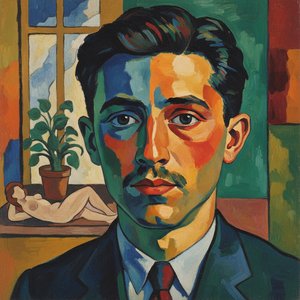
Henri Matisse: A Revolutionary Use of Color and Form in Modern Art
Explore the revolutionary art of Henri Matisse! Discover his bold use of color, Fauvist origins, and lasting impact on modern painting. A comprehensive guide for art enthusiasts.

野兽派的色彩革命:对形式与情感表达的颠覆性探索
深入探索野兽派的色彩革命!了解马蒂斯、德兰等大师的作品,分析其对现代艺术的影响。TopImpressionists.com提供高品质油画复制和专业艺术咨询服务,助您收藏经典,提升品味。
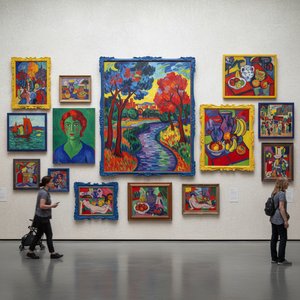
fauve艺术运动的十部巨作:色彩与激情的史诗
探索 fauve 艺术运动的十部杰作!马蒂斯、德兰伊等大师的色彩与激情,定义了现代艺术。深入了解绘画背后的故事,发现壁画、装饰画等经典作品。TopImpressionists.com 提供博物馆品质的艺术复制品和精选家居装饰方案。在线探索完整系列!

马蒂斯大师25幅杰作:色彩与光影的艺术传奇 | TopImpressionists
探索亨利·马蒂斯25幅杰作,感受野兽派色彩的魅力!从《舞蹈》到《红色和谐》,揭秘大师背后的故事与艺术灵感。TopImpressionists.com提供博物馆级高质量油画复制品,为您的家居增添奢华艺术气息。立即在线探索完整系列!

Fauvism's Boldest Visions: 10 Masterpieces That Revolutionized Modern Art | TopImpressionists
Explore 10 Fauvist masterpieces by Matisse, Derain & Vlaminck that ignited Modern Art! Discover bold colors, expressionist landscapes & the history of this revolutionary movement. Find museum-quality prints at TopImpressionists.com.


