


 实景预览
实景预览
 切换至版画销售渠道
 分享
分享 分享
分享
 详情
详情 指南
指南

 下载作品
下载作品
 相似作品
相似作品 X射线
X射线 幻灯片播放
幻灯片播放 Q&A
Q&A 统计数据
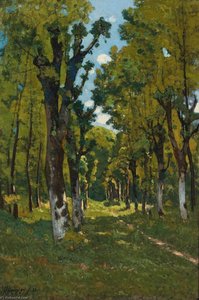
统计数据Mosquito Nets
 1943
1943 74.0 x 104.0 cm
Henry Marvell Carr: Detroit-based artist known for evocative realism & African American cultural depictions. Explore his work at The Carr Center & Musée Thomas-Henry.
 展开全文
展开全文
获取远超网页预览效果的印刷级文件。我们销售的每一张数字图像均源自库存数据库中的高分辨率母版——宽度通常在 5,000 至 15,000 像素之间——因此您可以放心地进行大幅打印、局部裁剪或还原细腻的细节。
每一件作品在离开我们的工作室前都经过了精心的处理。数字影像专家会对照原作核对色彩,并在必要时进行校正,随后利用专业修图工具提升清晰度与细节表现——且始终忠实于艺术家的笔触与风格。最终呈现的图像宛如原作本身,而非仅仅是一张加了滤镜的扫描件。
您可以在最终定稿前进行审核:我们的专家将在 72 小时内通过电子邮件向您发送图像以供审阅。如果不满意?您可以要求改进或修正;若质量未达预期,亦可申请退款。
这也是出版商、设计工作室、画廊及印刷厂所信赖的品质。
每份数字图像订单均包含的内容
专业级数字交付,品质保障
选择 TopImpressionists.com,您获得的不仅仅是一张图像——您收到的是经过专业级增强、精雕细琢的数字艺术作品,并享有满意保证。以下是您的订单中自动包含的所有内容:

邮件即时送达
您的高分辨率数字图像文件将在下单后 72 小时内通过电子邮件发送给您 —— 即可立即使用。

AI 增强型数字文件
您的艺术品经过专业优化,结合先进的 AI 技术与人工修饰,确保呈现极致的细节、清晰度与色彩准确度。

终身免费重发服务
不小心删除了文件或找不到了?没关系——我们将随时为您免费重发。

无需进口税费,始终如一
即刻拥有您的艺术作品,无需支付任何关税、税费或运费——数字下载始终免税。

色彩精准保障
我们通过专业工具与色彩管理技术,确保您的数字图像尽可能真实地还原原作色彩。

100天满意保证
如果您对所购数字图像不满意,我们将在100天内为您进行修改或提供100%的全额退款——无需任何理由。

100% 退款保证
不满意?在收到数字文件后的100天内,您可以申请全额退款——无需任何理由。

批量订购优惠
购买 3 张享 10% 折扣 - 购买 5 张享 15% 折扣 - 购买 10 张以上享 20% 折扣。非常适合创意项目、画廊及机构使用。




艺术家简介
The Luminous Legacy of Henry Marvell Carr
To encounter the work of Henry Marvell Carr is to step into a world where light and memory intertwine, creating a visual dialogue between the tangible landscape and the profound depths of human emotion. Born in 1894, Carr emerged as a vital figure within the tapestry of American Impressionism, though his artistic spirit was far too expansive to be confined by a single movement. His journey was one of constant synthesis, blending the rigorous technical training of the European tradition with an intimate, soulful dedication to capturing the essence of both the natural world and the African American cultural experience. Through his brush, the fleeting atmospheric shifts of a Michigan afternoon or the quiet dignity of a portrait subject were transformed into enduring monuments of light and form.
Carr’s artistic foundation was forged in the prestigious studios of Europe, most notably during his time at the École Supérieure des Beaux-Arts in Paris. Immersed in the vibrant atmosphere of the Impressionist movement, he drew inspiration from the masters such as Monet and Sisley, learning to observe how light dances across surfaces and how color can evoke the very temperature of a moment. This Parisian influence instilled in him a lifelong fascination with atmospheric perspective and a luminous palette that would become his hallmark. Upon returning to his roots in Detroit, Carr did not merely replicate European styles; instead, he repurposed these techniques to illuminate the specific beauty of the American landscape and the rich, often overlooked, narratives of his community.
A Master of Texture and Narrative
The technical prowess of Carr is perhaps most evident in his masterful command of the impasto technique. He did not simply apply paint to canvas; he sculpted it, creating textured surfaces that lend a palpable, three-dimensional quality to his works. This tactile approach allowed him to convey the ruggedness of urban environments and the soft, ephemeral qualities of nature with equal vigor. His oeuvre, which encompasses over 300 paintings and drawings, serves as a historical record of both the physical and social landscapes of the early to mid-20th century. Whether depicting the industrial grit of Detroit or the serene beauty of the Michigan countryside, Carr’s work possesses an evocative realism that transcends mere documentation.
Beyond his technical skill, Carr’s significance lies in his ability to imbue his subjects with a profound sense of dignity and grace. His portraiture is particularly noted for its sensitivity, capturing the psychological depth of his sitters. In works such as “Mrs Gertrude Kinnell,” one finds a masterful balance of character study and aesthetic beauty. Furthermore, his ability to document historical moments—such as the poignant “Dismantling an Emergency Water Tank” (1945)—demonstrates his role as a chronicler of civic life and wartime effort. His art was never static; it was a living, breathing response to the world around him, capturing the tension between progress and tradition, and the enduring strength of the human spirit.
Historical Significance and Enduring Influence
The legacy of Henry Marvell Carr continues to resonate within the halls of art history, serving as a bridge between the classical traditions of the past and the burgeoning modern identities of the 20th century. His contribution to the Detroit artistic landscape was foundational, providing a sophisticated visual language that celebrated African American heritage through the lens of high-art Impressionism. By elevating everyday scenes and portraits to the level of fine art, he challenged contemporary perceptions and contributed to a more inclusive narrative of American art history.
Today, Carr’s work remains a subject of profound study and admiration for several key reasons:
- Cultural Synthesis: His unique ability to merge European Impressionist techniques with African American cultural themes.
- Technical Mastery: The enduring power of his impasto brushwork and his sophisticated use of light and color.
- Historical Documentation: His role as a visual historian of Detroit’s urban evolution and the social shifts of the mid-20th century.
- Emotional Resonance: The capacity of his landscapes and portraits to evoke deep, empathetic connections with the viewer.
As we look back upon his prolific career, Carr stands as a painter of light, but more importantly, a painter of truth—capturing the fleeting beauty of the world while anchoring it in the permanent strength of memory.

Henry Marvell Carr
1894 - 1970
基本信息
- Full Name: Henry Marvell Carr
- Nationality: American
- Date Of Birth: 1894
- Date Of Death: 1970
- Place Of Birth: Detroit, USA
- Notable Artworks:
- Dismantling an Emergency Water Tank
- Mrs Gertrude Kinnell
- Artistic Movement Or Style: Realism
- Artists Who Influenced This Artist: ['Gustave Moreau']
- Artists Or Movements Influenced By This Artist: ['Impressionism']