


 实景预览
实景预览
 发送
发送 分享
分享
 详情
详情 指南
指南

 下载图片
下载图片
 相似作品
相似作品 X射线
X射线 幻灯片播放
幻灯片播放 统计数据
统计数据Dancer


 阅读全文
阅读全文
手工油画复制品
由我们的艺术家按需定制,为您提供您所选尺寸及画框的布面手工油画。 ( 切换至版画销售渠道 切换至数字图像销售渠道)




P118B ¥10

P118H ¥10

P118W ¥10

P438Z ¥10

P508JH ¥12

P508YH ¥12

P805H ¥10

P805Z ¥10

P919BZ ¥10

P919G ¥10

P919XJ ¥10

P959ZH ¥10

P968JZ ¥12

W106C ¥8

W218G ¥10

W218JH ¥8

W218Y ¥10

W307PJ ¥10

W316G ¥10

W316PJ ¥8

W316Y ¥10

W398PJ ¥8

W4111J ¥10

W500HY ¥15

W500JH ¥15

W692G ¥12

W849H ¥8

W940BG ¥15

W953PJ ¥8




标准尺寸
定制
CM
INCH
您可以从与原作比例一致的预设尺寸中进行选择。
Loading sizes...

宽度
高度
您可以输入自定义尺寸,以适配特定的画框或空间。如果所选尺寸与原图比例不符,我们将通过裁剪作品或添加手绘元素来扩展画面。数字样稿将在制作开始前发送给您确认。
请注意,屏幕预览无法准确反映实际的裁剪或扩展效果,只有样稿才能真实呈现最终的构图。
虽然我们提供定制尺寸服务,但为了保留原作比例,建议您从预设列表中选择尺寸。
可定制示例:将面部替换为客户照片;添加宠物(例如,将猫替换为狗);在背景中加入隐藏信息;更改背景风景或元素。
下单后,TopImpressionists.com 团队将通过电子邮件联系客户获取具体要求,并提供效果预览图
下单后,TopImpressionists.com 团队将通过电子邮件联系客户获取具体要求,并提供效果预览图


 玻璃选项仅适用于110厘米以下的尺寸。

Dancer
复制品材质
复刻品尺寸说明
-


总计金额
¥ 1806
The Enigmatic Dancer: Capturing a Fleeting Moment
Edgar Degas’s “Dancer,” often referred to as “Dancers at the Barre,” is not merely a depiction of ballet; it's an exquisitely rendered distillation of movement, atmosphere, and the very essence of performance. Completed around 1898, this pastel masterpiece transcends simple portraiture, offering a profound glimpse into Degas’s lifelong fascination with the world of dance – a world he meticulously observed and relentlessly pursued on canvas. The painting immediately draws the eye to its central subject: a young dancer poised at the barre, her body coiled in a graceful contraction, her gaze fixed intently ahead. She is not frozen in a static pose but appears suspended mid-effort, embodying the dynamic tension between preparation and execution that defines ballet.

A Masterclass in Impressionistic Technique
Degas’s genius lies not just in his subject matter but also in his masterful manipulation of pastel – a medium he favored late in his career. He eschewed the traditional, polished finish often associated with pastels, instead embracing a deliberately rough and textured surface. This technique, combined with his loose brushstrokes and vibrant color palette, creates an immediate sense of immediacy and spontaneity. Notice how the cool blues and greens of the studio walls contrast sharply with the warm flesh tones of the dancer, emphasizing her presence within the space. The use of broken color – applying small strokes of different hues side-by-side rather than blending them seamlessly – contributes to the painting’s shimmering quality and its ability to capture the fleeting effects of light and shadow. Degas's meticulous attention to detail, particularly in rendering the dancer’s musculature and the subtle nuances of her posture, reveals a deep understanding of anatomy and movement.
Echoes of the Belle Époque: A Parisian Scene
“Dancer” is firmly rooted in the vibrant atmosphere of late 19th-century Paris – the Belle Époque. Degas was deeply embedded within this cultural milieu, frequenting ballet theaters and studios, sketching dancers from behind scrims to capture their movements without disrupting the performance. This painting reflects his intimate knowledge of the ballet world, capturing not just the physical appearance of the dancer but also the atmosphere of dedication, discipline, and artistry that permeated Parisian dance halls. The inclusion of the other figures in the background – a teacher offering guidance, a fellow dancer adjusting her costume – adds to this sense of realism and provides context for the scene.
Symbolism of Grace and Effort
Beyond its technical brilliance, “Dancer” is rich in symbolic meaning. The dancer’s intense focus represents the dedication required to master the demanding art of ballet. Her poised posture embodies grace, strength, and control – qualities that are both physically challenging and aesthetically beautiful. The barre itself serves as a symbol of discipline and preparation, highlighting the rigorous training that underpins every successful performance. Degas's choice to depict a dancer in mid-movement—a moment of intense concentration before or after a performance—captures the ephemeral nature of beauty and the fleeting moments of artistic expression.
A Timeless Reflection on Movement
“Dancer” remains one of Degas’s most celebrated works, offering a captivating glimpse into his unique vision of the world. Its evocative atmosphere, masterful technique, and profound symbolism continue to resonate with viewers today. Whether admired for its technical brilliance or its emotional depth, this painting stands as a testament to Degas's enduring legacy as one of the greatest artists of the modern era. Reproductions capture much of the original’s magic, offering an accessible way to bring this iconic image into your home and experience the beauty of Degas’s artistic vision.
问答详情
德加 的《Dancer》 的色彩饱和度如何?
“Dancer”的色彩饱和度为Vivid。饱和度描述了色彩呈现的浓郁程度。
德加 是否还有其他别名或曾用名?
德加 也被称为 埃德加·德加, 亨利·德嘉。
"Dancer" 的作者是谁?属于哪种艺术流派?
德加 在 Impressionism 运动时期创作了《Dancer》。
德加 的《Dancer》 的推荐打印尺寸是多少?
建议为 德加 的《Dancer》 制作 Medium 的复制品。尺寸可以在保持比例不变的情况下进行调整。
德加 的《Dancer》 是否保存在艺术家的原籍国?
不——该作品目前存放于海外。艺术家出生于 法国;原作现藏于 美利坚合众国。
德加 的《Dancer》 的对比度有多强?
德加 的《Dancer》 在明暗区域之间呈现出 Serene 的对比度。
"Dancer" 的主题与 德加 常有的创作主题有何关联?
在德加已记录的主题——degas’s ballet studies, impressionism, parisian social life, modernity, dance as spectacle, observation, realist depiction, movement”——之中,"Dancer" 则将焦点转向了ballerina, dance, pastel, figure, movement, studio, paris。
德加 的《Dancer》 的画面方向是怎样的?


艺术家简介
埃德加·德加:一位开创性的法国艺术家
埃德加·德加(1834年7月19日出生于巴黎,逝世于1917年9月27日巴黎),是一位充满矛盾的法国画家、雕塑家和版画师。虽然他经常与印象派画家莫奈、雷诺阿等一同被归类为艺术史上的革命者,但他却拒绝了这一标签,而是将自己定义为现实主义者。这种承诺源于他对周围世界的细致观察以及对它毫不掩饰的呈现。德加的童年生活富裕而舒适;他的父亲是一位银行家,母亲来自美国新奥尔良克莱罗文化家庭。这种背景赋予了他接受教育和艺术训练的机会,尽管他常常对学术限制感到不满。他最初在卢浮宫学习绘画,并密切研究古典艺术,这激发了他毕生对艺术的热爱。然而,德加的道路并非传统艺术的简单遵循之路;它充满了质疑和重新评估艺术规范的冲动。他拥有独立的精神,这将定义了他的整个职业生涯。早期生活与教育
德加出生于巴黎南部的蒙马特雷区,周围环境充满艺术气息。虽然关于他的家庭信息有限,但已知他们维持着社会上的传统形式,并且与法国贵族有着联系。他接受了严格的学术训练和对古典艺术的深入研究,为成为历史画家奠定了基础。然而,德加并没有像其他历史画家一样专注于绘画历史题材,而是选择创作现代题材的作品,这挑战了当时艺术界的传统观念。 他在巴黎学习绘画时,受到法国著名艺术家Jean-Auguste-Dominique Ingres的影响,Ingres强调精确的线条和形式,为德加的艺术发展留下了深刻的印记。同时,他欣赏了现实主义画家Gustave Courbet的作品,Courbet勇敢地挑战了学术规范,倡导对当代生活的真实呈现。这些影响塑造了德加独特的艺术风格。超越印象派:一种独特的艺术视野
与追求户外光线变化的莫奈不同,德加主要在工作室进行创作,精心构建场景,从观察和记忆中汲取灵感。他的题材都具有现代性——这与许多学术画家选择的历史或神话主题截然不同。他从巴黎的生活中寻找灵感:洗衣妇、歌剧表演者、帽子设计师以及最著名的舞蹈演员。正是他对芭蕾舞的热爱定义了德加的作品大部分内容。德加不仅仅画美丽的芭蕾舞演员;他还捕捉到了他们职业的真实面貌——无休止的排练、身体上的压力和在充满艰苦工作的世界中闪耀的瞬间。他的构图常常具有创新性,采用非传统的视角安排人物,并运用不对称的布局来创造一种动态和 immediacy 的感觉。 他是一位卓越的线条大师,正如他所创作的芭蕾舞作品一样,能够捕捉到运动的精妙之处。例如,《舞蹈演员与风琴》、《巴黎歌剧院》和《年轻的希腊少女挑战男孩》都展现了德加对人体形态的精准表现和对现代生活复杂性的揭示。 他并不追求表面上的美丽;他寻求的是隐藏在表层之下的真实。艺术影响与发展
德加的艺术生涯受到多种因素的影响。他的早期训练强调古典原则,特别是Jean-Auguste-Dominique Ingres的作品,Ingres强调精确的线条和形式,为德加的艺术发展留下了深刻的印记。与此同时,他欣赏了现实主义画家Gustave Courbet的作品,Courbet勇敢地挑战了学术规范,倡导对当代生活的真实呈现。 他还从日本艺术中汲取灵感——浮世绘(Ukiyo-e),这种艺术形式影响了他构图的对称性、透视角度和图案运用。他还拥抱摄影技术,认识到它作为研究运动和捕捉瞬间的潜力。 这份勇于将不同来源融入作品中的勇气是德加艺术风格的独特之处,也是他为后人开辟道路的关键。 他并非仅仅是一位芭蕾舞演员或赛马运动员的画家;他是对人类本质的敏锐观察者、形式与运动的精湛大师,以及一位重新定义艺术可能性的人物。 他大胆地挑战了传统观念,并将其融入到全新的艺术形式中。主要成就与历史意义
德加在艺术史上留下了辉煌的印记。他以对人体形态的精准表现和对现代生活复杂性的揭示而闻名于世。他的作品不仅影响了后来的艺术家,如毕加索和马蒂斯,也为艺术史的发展注入了活力。 他是印象派运动的开拓者之一,尽管他拒绝了这一标签,但他却以其独特的艺术风格和创新精神赢得了广泛赞誉。 作为一位卓越的线条大师,德加在绘画、雕塑和版画领域都取得了杰出的成就。他的作品不仅展现了对芭蕾舞演员的细致观察和捕捉运动的能力,也为艺术史增添了一笔宝贵的财富。 通过不断探索新的技术和媒介,德加为现代艺术的发展开辟了道路,并成为艺术史上最重要的人物之一。 他是一位真正的创新者,他的作品不仅改变了人们对艺术的认知方式,也激励了无数艺术家追求卓越。 他的艺术风格至今仍被广泛研究和欣赏,证明了他的艺术遗产将继续传承下去。
德加
1834 - 1917 , 法国
快速概览
- Artistic Movement Or Style: 印象主義、現實主義
- Artists Or Movements Influenced By This Artist:
- 畢卡索
- 馬諦斯
- Artists Who Influenced This Artist:
- 讓奧古斯都·昂格雷斯
- 古斯塔夫·柯勃特
- 卡米爾·畢沙羅
- Date Of Birth: 1834年7月19日
- Date Of Death: 1917年9月27日
- Full Name: 埃德加·德加
- Nationality: 法國
- Notable Artworks:
- 舞者與鈴鼓
- 芭蕾舞團
- 埃德加·德加的畫像
- Place Of Birth: 巴黎,法國
相关文章

Soft Light & Velvet Touch: The Ethereal Magic of Pastel Artistry in Impressionist Masterpieces
Discover the ethereal beauty of pastel art through an Impressionist lens. Explore how masters like Monet and Renoir captured light and velvet textures, and learn to curate a collection of luminous, museum-quality masterpieces for your home.
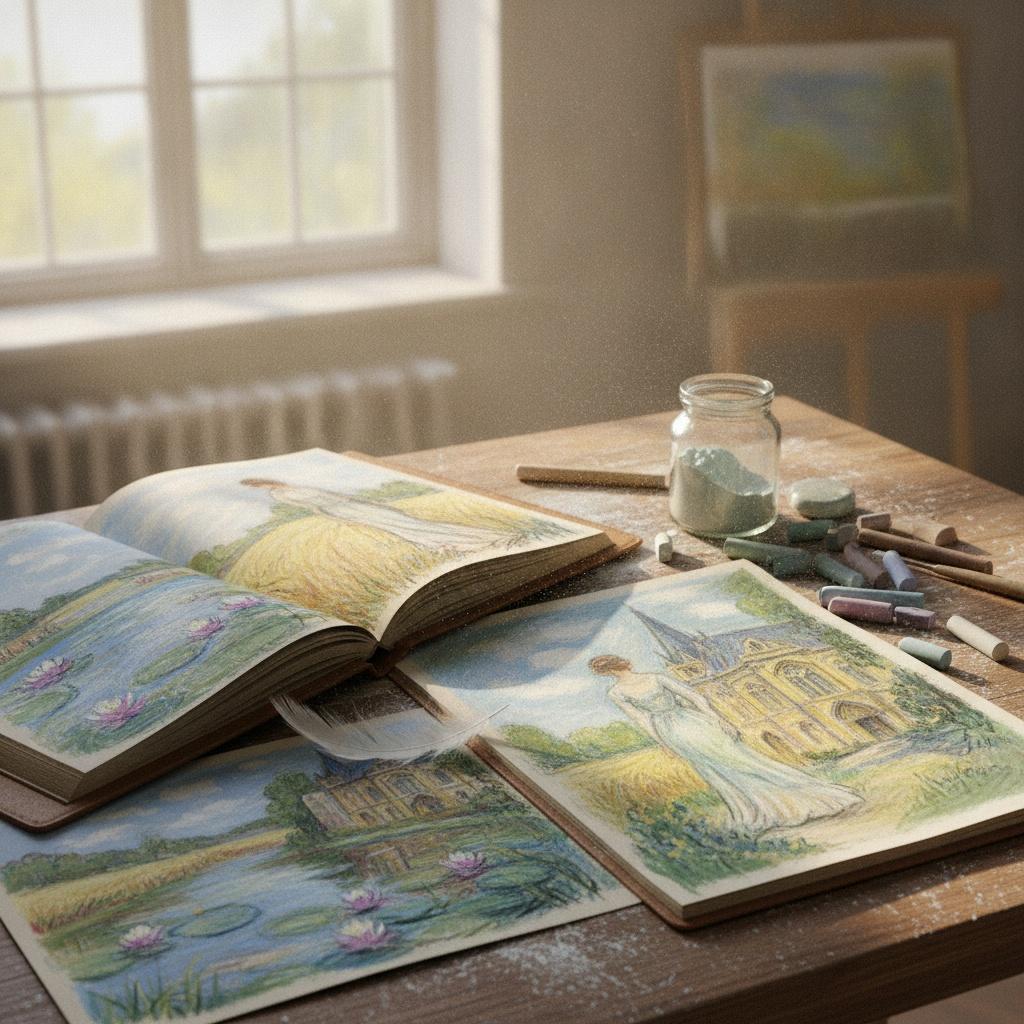
The Soft Magic of Chalk: Capturing Light, Texture, and the Ethereal Soul of Impressionist Masterpieces
Discover the ethereal beauty of pastel and chalk art. Explore how Impressionist masters like Van Gogh and Degas captured light and texture to create timeless, soulful masterpieces for the discerning collector.


