


 实景预览
实景预览
 分享
分享 分享
分享
 详情
详情 指南
指南

 下载作品
下载作品
 相似作品
相似作品 X射线
X射线 幻灯片播放
幻灯片播放 Q&A
Q&A 统计数据
统计数据Standing Nude


 展开全文
展开全文
艺术微喷/版画
博物馆级艺术微喷或帆布版画,制作高效,并提供多种饰面选择。 ( 订购纯手工绘制画作 切换至数字图像销售渠道)




P118B ¥10

P118H ¥10

P118W ¥10

P438Z ¥10

P508JH ¥12

P508YH ¥12

P805H ¥10

P805Z ¥10

P919BZ ¥10

P919G ¥10

P919XJ ¥10

P959ZH ¥10

P968JZ ¥12

W106C ¥8

W218G ¥10

W218JH ¥8

W218Y ¥10

W307PJ ¥10

W316G ¥10

W316PJ ¥8

W316Y ¥10

W398PJ ¥8

W4111J ¥10

W500HY ¥15

W500JH ¥15

W692G ¥12

W849H ¥8

W940BG ¥15

W953PJ ¥8




标准尺寸
定制
CM
INCH
您可以从与原作比例一致的预设尺寸中进行选择。
Loading sizes...

宽度
高度
请输入您所需的宽度和高度,以适配您的画框或墙面。由于印刷品只能进行裁剪,无法超出原图尺寸,因此若比例不一致,画面的一部分将会被裁切。在正式印刷之前,我们会为您发送一份数字效果图供您确认。本页面显示的图片并非最终裁剪后的效果——只有效果图才能展示真实的裁剪情况。


 玻璃选项仅适用于110厘米以下的尺寸。

Standing Nude
艺术微喷/版画
复刻品尺寸
-


最终结算价
¥ 463
A Study in Movement: Edgar Degas’s ‘Standing Nude’ (1893)
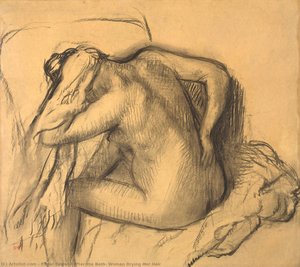
This captivating charcoal drawing offers a compelling glimpse into Edgar Degas's masterful exploration of the human form. Created in 1893, *Standing Nude* is not merely a depiction of the female figure; it’s an investigation of gesture, weight, and the fleeting beauty of movement – hallmarks of Degas’s unique artistic vision.Subject & Composition
The artwork presents a solitary nude female figure standing centrally against a stark, undefined background. This deliberate simplicity focuses all attention on the model's anatomy and pose. Degas eschews elaborate settings or narrative elements, prioritizing instead the pure study of form. The figure isn’t idealized in the classical sense; rather, it feels remarkably *present* – caught in a moment of quiet contemplation or poised for action.Style & Technique
While often categorized as an Impressionist, Degas preferred to be considered a realist. This distinction is evident in his meticulous observation and commitment to accurately representing the human body. However, *Standing Nude* also displays distinctly Impressionistic qualities through its loose, expressive lines and emphasis on capturing a momentary impression. The charcoal medium itself contributes significantly to the work’s character. Degas employs varying pressure to create a rich tonal range – from delicate highlights to deep shadows – defining the contours of the body with remarkable sensitivity. The lack of extensive blending emphasizes the artist's hand, lending an immediacy and energy to the drawing.Historical Context & Artistic Influences
Degas’s fascination with the nude stemmed from a broader interest in depicting modern life. He moved away from traditional historical painting, choosing instead to portray scenes of everyday existence – dancers, laundresses, women at their toilette. This drawing reflects his ongoing study of anatomy and movement, likely informed by his extensive observation of ballet dancers. The influence of photography, a burgeoning art form in the late 19th century, is also apparent in Degas’s cropping and unconventional viewpoints. He frequently used photographs as studies for his compositions, capturing fleeting moments and dynamic poses.Symbolism & Emotional Impact
Beyond its technical brilliance, *Standing Nude* invites contemplation on themes of vulnerability, beauty, and the human condition. The figure’s unadorned state strips away societal artifice, presenting a raw and honest portrayal of the body. While devoid of overt symbolism, the drawing evokes a sense of quiet intimacy and psychological depth. The absence of a narrative allows viewers to project their own emotions and interpretations onto the work, fostering a personal connection with the subject.Collecting & Interior Design Considerations
A reproduction of *Standing Nude* would serve as a sophisticated focal point in any interior space. Its monochromatic palette lends itself well to a variety of décor styles, from minimalist modern to classic traditional. The drawing’s elegant lines and subtle emotional resonance make it an ideal choice for bedrooms, studies, or living areas seeking a touch of artistic refinement. Its size (unknown but likely intimate) suggests suitability for smaller spaces where its details can be fully appreciated. This piece is not just a visual delight; it's a testament to Degas’s enduring legacy as one of the most innovative and influential artists of his time.常见问题与解答
"Standing Nude" 创作于哪一年?
"Standing Nude"创作于1893年。这一时期将该作品置于德加的艺术生涯及其所处时代之中。
“Standing Nude”中的色彩呈现出多少光泽感?
德加 的《Standing Nude》 的记录亮度为 Luminous。
"Standing Nude"创作于何时,属于哪种艺术流派?
德加 的《Standing Nude》创作于1893年,属于Impressionism流派。




艺术家简介
埃德加·德加:一位开创性的法国艺术家
埃德加·德加(1834年7月19日出生于巴黎,逝世于1917年9月27日巴黎),是一位充满矛盾的法国画家、雕塑家和版画师。虽然他经常与印象派画家莫奈、雷诺阿等一同被归类为艺术史上的革命者,但他却拒绝了这一标签,而是将自己定义为现实主义者。这种承诺源于他对周围世界的细致观察以及对它毫不掩饰的呈现。德加的童年生活富裕而舒适;他的父亲是一位银行家,母亲来自美国新奥尔良克莱罗文化家庭。这种背景赋予了他接受教育和艺术训练的机会,尽管他常常对学术限制感到不满。他最初在卢浮宫学习绘画,并密切研究古典艺术,这激发了他毕生对艺术的热爱。然而,德加的道路并非传统艺术的简单遵循之路;它充满了质疑和重新评估艺术规范的冲动。他拥有独立的精神,这将定义了他的整个职业生涯。早期生活与教育
德加出生于巴黎南部的蒙马特雷区,周围环境充满艺术气息。虽然关于他的家庭信息有限,但已知他们维持着社会上的传统形式,并且与法国贵族有着联系。他接受了严格的学术训练和对古典艺术的深入研究,为成为历史画家奠定了基础。然而,德加并没有像其他历史画家一样专注于绘画历史题材,而是选择创作现代题材的作品,这挑战了当时艺术界的传统观念。 他在巴黎学习绘画时,受到法国著名艺术家Jean-Auguste-Dominique Ingres的影响,Ingres强调精确的线条和形式,为德加的艺术发展留下了深刻的印记。同时,他欣赏了现实主义画家Gustave Courbet的作品,Courbet勇敢地挑战了学术规范,倡导对当代生活的真实呈现。这些影响塑造了德加独特的艺术风格。超越印象派:一种独特的艺术视野
与追求户外光线变化的莫奈不同,德加主要在工作室进行创作,精心构建场景,从观察和记忆中汲取灵感。他的题材都具有现代性——这与许多学术画家选择的历史或神话主题截然不同。他从巴黎的生活中寻找灵感:洗衣妇、歌剧表演者、帽子设计师以及最著名的舞蹈演员。正是他对芭蕾舞的热爱定义了德加的作品大部分内容。德加不仅仅画美丽的芭蕾舞演员;他还捕捉到了他们职业的真实面貌——无休止的排练、身体上的压力和在充满艰苦工作的世界中闪耀的瞬间。他的构图常常具有创新性,采用非传统的视角安排人物,并运用不对称的布局来创造一种动态和 immediacy 的感觉。 他是一位卓越的线条大师,正如他所创作的芭蕾舞作品一样,能够捕捉到运动的精妙之处。例如,《舞蹈演员与风琴》、《巴黎歌剧院》和《年轻的希腊少女挑战男孩》都展现了德加对人体形态的精准表现和对现代生活复杂性的揭示。 他并不追求表面上的美丽;他寻求的是隐藏在表层之下的真实。艺术影响与发展
德加的艺术生涯受到多种因素的影响。他的早期训练强调古典原则,特别是Jean-Auguste-Dominique Ingres的作品,Ingres强调精确的线条和形式,为德加的艺术发展留下了深刻的印记。与此同时,他欣赏了现实主义画家Gustave Courbet的作品,Courbet勇敢地挑战了学术规范,倡导对当代生活的真实呈现。 他还从日本艺术中汲取灵感——浮世绘(Ukiyo-e),这种艺术形式影响了他构图的对称性、透视角度和图案运用。他还拥抱摄影技术,认识到它作为研究运动和捕捉瞬间的潜力。 这份勇于将不同来源融入作品中的勇气是德加艺术风格的独特之处,也是他为后人开辟道路的关键。 他并非仅仅是一位芭蕾舞演员或赛马运动员的画家;他是对人类本质的敏锐观察者、形式与运动的精湛大师,以及一位重新定义艺术可能性的人物。 他大胆地挑战了传统观念,并将其融入到全新的艺术形式中。主要成就与历史意义
德加在艺术史上留下了辉煌的印记。他以对人体形态的精准表现和对现代生活复杂性的揭示而闻名于世。他的作品不仅影响了后来的艺术家,如毕加索和马蒂斯,也为艺术史的发展注入了活力。 他是印象派运动的开拓者之一,尽管他拒绝了这一标签,但他却以其独特的艺术风格和创新精神赢得了广泛赞誉。 作为一位卓越的线条大师,德加在绘画、雕塑和版画领域都取得了杰出的成就。他的作品不仅展现了对芭蕾舞演员的细致观察和捕捉运动的能力,也为艺术史增添了一笔宝贵的财富。 通过不断探索新的技术和媒介,德加为现代艺术的发展开辟了道路,并成为艺术史上最重要的人物之一。 他是一位真正的创新者,他的作品不仅改变了人们对艺术的认知方式,也激励了无数艺术家追求卓越。 他的艺术风格至今仍被广泛研究和欣赏,证明了他的艺术遗产将继续传承下去。
德加
1834 - 1917 , 法国
艺术家简介
- Artistic Movement Or Style: 印象主義、現實主義
- Artists Or Movements Influenced By This Artist:
- 畢卡索
- 馬諦斯
- Artists Who Influenced This Artist:
- 讓奧古斯都·昂格雷斯
- 古斯塔夫·柯勃特
- 卡米爾·畢沙羅
- Date Of Birth: 1834年7月19日
- Date Of Death: 1917年9月27日
- Full Name: 埃德加·德加
- Nationality: 法國
- Notable Artworks:
- 舞者與鈴鼓
- 芭蕾舞團
- 埃德加·德加的畫像
- Place Of Birth: 巴黎,法國
相关文章

The Beauty of Impermanence: Capturing Decay through Impressionist Eyes
Explore the profound beauty of impermanence through Impressionist and Post-Impressionist eyes. Discover how masters like Monet and Van Gogh captured fleeting light and the poetic essence of nature's transitions in our deep dive into art history and emotional landscapes.

Modern Soul, Timeless Light: Bringing the Magic of Impressionist Masterpieces into Contemporary Interiors
Discover how to infuse contemporary spaces with the luminous magic of Impressionism. From Monet's light to Renoir's warmth, learn expert tips for styling hand-painted masterpieces and custom art reproductions in your modern home.

Capturing Contemplation: The Most Thoughtful Impressionist Masterpieces
Explore the profound emotional depth of Impressionist and Post-Impressionist masterpieces. From Renoir's tranquil landscapes to Van Gogh's vibrant soul, discover how these legendary artists captured the essence of contemplation through light, color, and texture.
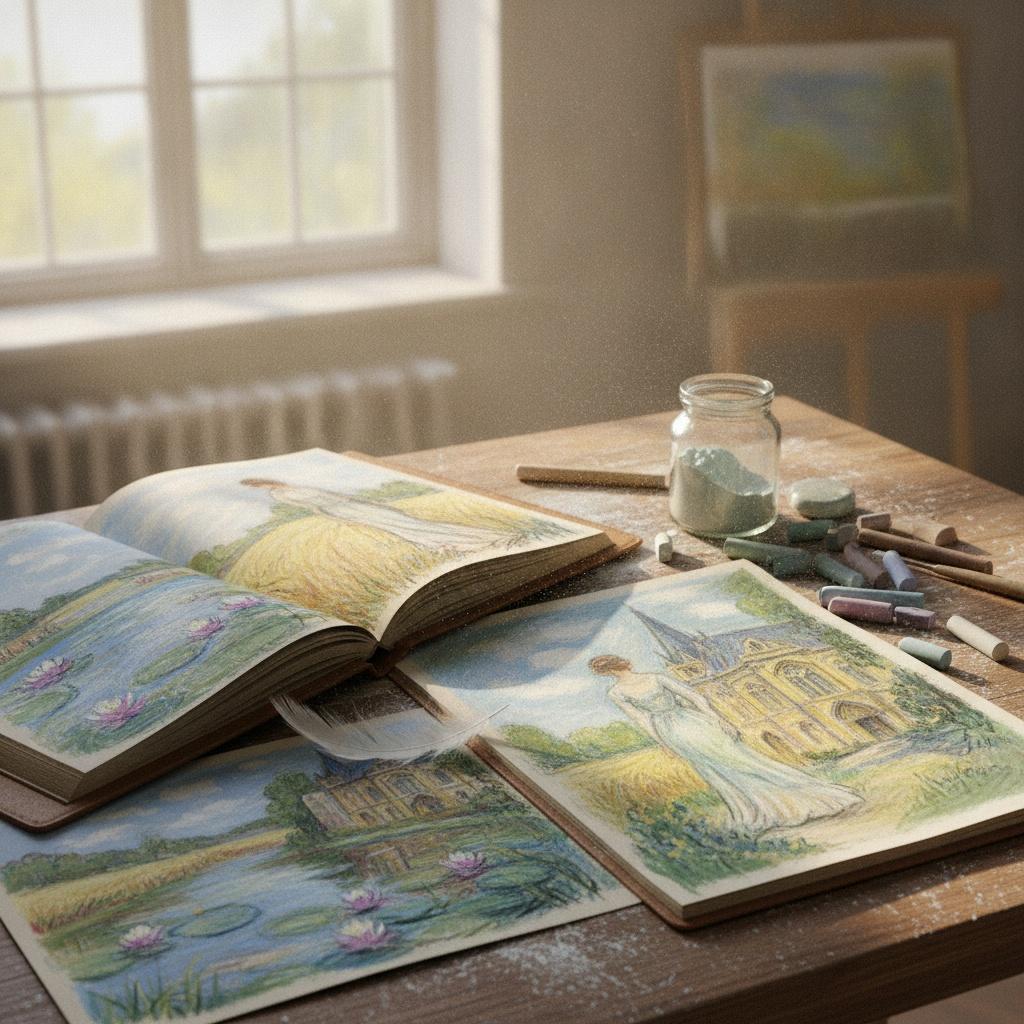
The Soft Magic of Chalk: Capturing Light, Texture, and the Ethereal Soul of Impressionist Masterpieces
Discover the ethereal beauty of pastel and chalk art. Explore how Impressionist masters like Van Gogh and Degas captured light and texture to create timeless, soulful masterpieces for the discerning collector.

Capturing the Soul: The Most Emotionally Moving Impressionist and Post-Impressionist Masterpieces
Discover the profound emotional depth of Impressionist and Post-Impressionist masterpieces. Explore how legends like Monet, Van Gogh, and Gauguin captured light and soul through evocative landscapes and vibrant brushwork for a timeless connection to art history.


