

 实景预览
实景预览
 发送
发送 分享
分享
 详情
详情 指南
指南

 下载图片
下载图片
 相似作品
相似作品 X射线
X射线 幻灯片播放
幻灯片播放 统计数据
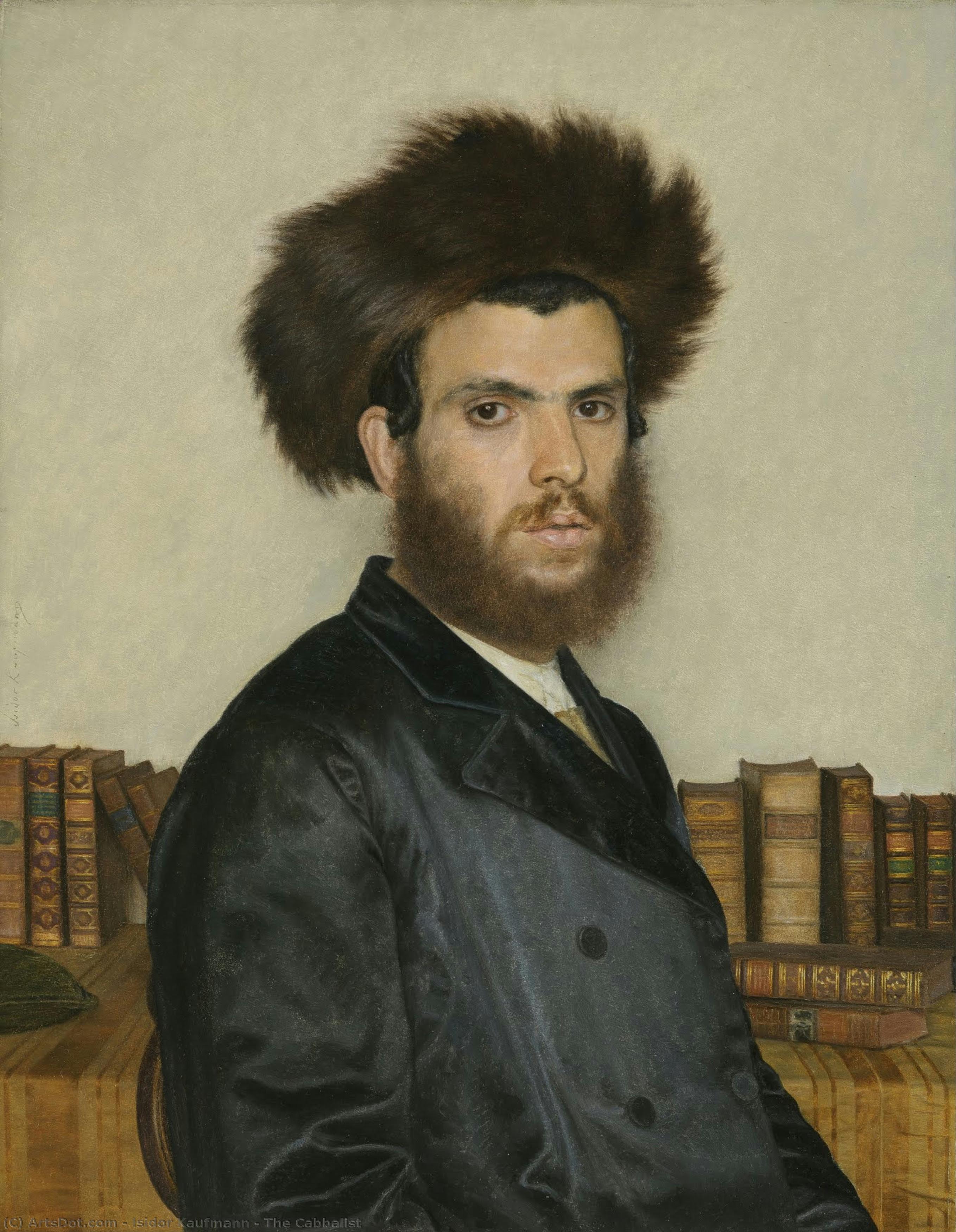
统计数据The Cabbalist
 Acrylic On Canvas
- WallArt
- Realism
 1910
1910- 19th Century
 44.0 x 35.0 cm
 犹太博物馆
犹太博物馆
A poignant 1910 portrait by Isidor Kaufmann captures a Jewish scholar immersed in Cabbalistic studies, showcasing the artist’s masterful depiction of Hasidic life in Eastern Europe. Discover this evocative artwork and bring its rich history into your space.
 阅读全文
阅读全文
探索伊西多·考夫曼(Isidor Kaufmann)描绘东欧犹太生活的动人风俗画。欣赏他那展现哈西德社区与历史瞬间的感人杰作。
购买高分辨率增强版数字图像,其品质远超在线预览。
每一份文件都由我们的内部专家使用先进工具与专业的后期润色技术精心打造。我们确保每一张图像都具备卓越的清晰度、精准的色彩还原度以及细腻的细节表现。
最终文件将在 72 小时内通过电子邮件交付,并针对专业、编辑及印刷用途进行了优化。其品质与顶级设计工作室、出版社和画廊所信赖的标准完全一致。
数字图像
下载高分辨率文件,用于个人展示、打印及创意项目。 ( 切换至版画销售渠道 订购此收藏品的纯手工复刻画作)
每份数字图像订单均包含的内容
专业级数字交付,品质无忧
选择 TopImpressionists.com,您获得的不仅仅是一张图像——您收到的是经过专业级增强、精雕细琢的数字艺术作品,并享有满意保证。以下是您的订单中自动包含的所有内容:

即时邮件交付
您的高分辨率数字图像文件将在下单后 72 小时内通过电子邮件发送给您 —— 即可立即使用。

AI 增强型数字图像
您的艺术品经过专业优化,结合先进的 AI 技术与人工修饰,确保呈现极致的细节、清晰度与色彩准确度。

终身免费重发服务
不小心删除了文件或找不到了?没关系——我们将随时为您免费重发。

无需进口税费,始终如一
即刻拥有您的艺术作品,无需支付任何关税、税费或运费——数字下载始终免税。

色彩精准保障
我们通过专业工具与色彩管理技术,确保您的数字图像尽可能真实地还原原作色彩。

100天满意保证
如果您对所购数字图像不满意,我们将在100天内为您进行修改或提供100%的全额退款——无需任何理由。

100% 退款保证
不满意?在收到数字文件后的100天内,您可以申请全额退款——无需任何理由。

批量订购优惠
购买 3 张享 10% 折扣 - 购买 5 张享 15% 折扣 - 购买 10 张以上享 20% 折扣。非常适合创意项目、画廊及机构使用。
Isidor Kaufmann’s ‘The Cabbalist’: A Window into Eastern European Jewish Life
TopImpressionists presents a meticulously crafted hand-painted reproduction of Isidor Kaufmann's “The Cabbalist,” an arresting portrait painted in 1910 that offers a rare and intimate glimpse into the world of Hasidic scholarship. Measuring 44 x 35 cm, this work transcends a simple likeness; it’s a carefully constructed tableau brimming with symbolic weight and reflecting the profound spiritual life of a community largely untouched by the sweeping changes of the early 20th century.
- Subject & Composition: The painting centers on a man – presumably a ‘Cabbalist,’ as the title suggests – seated in what appears to be a study. His weathered face, framed by a neatly trimmed beard and a worn hat, speaks of years spent immersed in contemplation and learning. The arrangement of books surrounding him isn’t merely decorative; it's a deliberate composition that underscores his intellectual pursuits and connection to ancient wisdom.
- Artistic Style & Technique: Kaufmann’s style is firmly rooted in the traditions of Austro-Hungarian genre painting, characterized by its realism and attention to detail. The brushwork is precise yet imbued with a subtle warmth, suggesting a deep understanding of his subject's character and environment. He employs a muted color palette – predominantly browns, grays, and ochres – which contributes to the painting’s solemn and contemplative mood.
A Portrait of Faith: Historical Context & Kaufmann’s Vision
Painted in 1910, “The Cabbalist” captures a pivotal moment in the history of Hasidic Judaism. Isidor Kaufmann (1853-1921), born in Arad, Romania, dedicated his artistic career to documenting the lives and traditions of these communities, primarily in Poland and Romania. His work emerged during a period of significant social and religious change, as traditional Jewish life faced increasing pressure from modernity. Kaufmann’s portraits weren't simply representations; they were acts of preservation, meticulously recording a way of life on the verge of disappearing.
Born to Hungarian Jewish parents, Kaufmann initially pursued commerce before discovering his true calling in painting. His training at the Landes-Zeichenschule in Budapest and subsequent studies at the Vienna Academy of Fine Arts – though initially met with rejection – ultimately shaped his distinctive artistic voice. He was profoundly influenced by Professor Trenkwald, who guided him toward a more focused approach to depicting Jewish life.
Symbolism & Interpretation
The inclusion of numerous books is laden with symbolic meaning within the context of Kabbalah, the mystical branch of Judaism. These volumes represent not just knowledge but also a connection to generations of scholarship and spiritual tradition. The man’s posture – seated, absorbed in his studies – embodies the contemplative nature of this pursuit. The hat, a traditional Jewish head covering, further reinforces his identity and religious devotion. Kaufmann's ability to capture such nuanced details speaks volumes about his deep respect for his subject and his commitment to portraying authentic Jewish life.
Emotional Impact & Collecting
"The Cabbalist" is more than just a beautiful painting; it’s a poignant reminder of a vanishing world. This hand-painted reproduction offers collectors and interior designers alike the opportunity to own a piece of art history, imbued with spiritual significance and artistic merit. Its evocative depiction of scholarly devotion will undoubtedly add depth and character to any space, serving as a constant source of contemplation and appreciation for the rich tapestry of human culture.
艺术家简介
消逝世界的记录者
在奥匈帝国的艺术史册中,伊西多·考夫曼(Isidor Kaufmann)是一位独一无二的人物。他以那些令人动容的风俗画闻名于世,细腻地描绘了波兰与罗马尼亚哈西德派社区的日常生活与精神传统。1853年,考夫曼出生于匈牙利阿拉德(现属罗马尼亚),父母均为匈牙利犹太人。他的艺术生涯充满了偶然的机遇,正是这些际遇最终促使他成为了19世纪后期犹太文化最卓越的记录者之一。尽管他最初曾投身于商业领域,但真正的天职却是在布达佩斯州立美术学校(Landes-Zeichenschule)短暂的学习中显露端倪。这早期的火花点燃了他终生的激情,并引领他走向享誉盛名的维也纳美术学院;在那里,尽管经历了一些挫折,他仍在特伦克瓦尔德教授(Professor Trenkword)的严谨教导下磨炼出了精湛的技艺。
在维也纳充满活力的艺术氛围中,考夫曼确立了自己作为一名优秀肖像画家的地位,并吸收了约瑟夫·马修斯·艾格纳(Joseph Matthäus Aigner)等艺术大师的风格影响。他的作品开始体现出一种精妙的融合:既承袭了学院派的传统,又融入了印象派所倡导的新兴现实主义。这种独特的技法基础使他能够超越单纯的形似,转而捕捉受画者深邃的心理深度与精神分量。他对明暗对照法(chiaroscuro)——即光影间戏剧性交织——的精湛掌控,成为了其个人风格的标志,为他笔下的宗教研习与社区祭祀场景增添了一种近乎神圣的氛围。
帝国赞誉的杰作
考夫曼职业生涯的转折点源于一项具有里程碑意义的委约创作——《拉比的到访》(“Der Besuch des Rabbi”)。这部作品的重要性如此之高,以至于弗朗茨·约瑟夫一世皇帝亲自为其向艺术史博物馆(Kunsthistorisches Museum)下单。这幅画作有力地证明了他将细致入微的细节与深沉的情感共鸣交织在一起的能力。通过这块画布,考夫曼向世人展示了他不仅是传统的观察者,更是一位能够捕捉特定文化语境下人类经验本质的大师。这部作品的成功巩固了他在全欧洲的声望,使他成为了一位能够将民族志题材提升至高级艺术殿堂的艺术家。
他的作品集以一种亲密的视角审视着东欧犹太生活的核心。无论是描绘学者沉思时的静谧,还是青年时期那份内敛的张力,考夫曼的画作都宛如一扇扇窗户,让我们窥见那个正经历深刻历史变迁的世界。他的代表作品包括:
- 《国际象棋手》(Schachspieler): 这一迷人的瞬间捕捉了仪式性博弈中的沉思时刻,展现了他从日常社区互动中发现美感的天赋。
- 《卡巴拉学者》(The Cabbalist): 这是一幅创作于1910年的肖像画,描绘了一位深陷神秘主义研究的犹太学者,体现了艺术家在表现精神虔诚方面的卓越技艺。
- 《青年肖像》(Portrait of a Young Man): 一幅创作于1901年的亲密风俗画,通过强烈的眼神交流,为观众提供了窥见那个时代文化认同的机会。
传承与历史意义
伊西多·考夫曼的历史意义在于他扮演了视觉史学家的角色。他的画作是一份至关重要且充满感染力的记录,保存了东欧哈西德生活与犹太传统在20世纪动荡到来之前最后一段充满生命力的岁月。在他的画笔下,厚重的黑色外套的质感、古老文献上摇曳的烛光,以及宗教仪式中的庄严感,都以一种近乎触手可及的清晰度被永久保存了下来。考夫曼不仅仅是在描绘场景;他捕捉了一个文化的灵魂,确保了这些社区的尊严、智慧与精神财富能够永远铭刻在艺术史的篇章之中。

伊西多·考夫曼
1853 - 1921 , 罗马尼亚
概览
- Artistic Movement Or Style: 风俗画
- Artists Or Movements Influenced By This Artist: ['科尼格瓦特男爵艺术家奖']
- Artists Who Influenced This Artist: ['约瑟夫·马蒂亚斯·艾格纳']
- Date Of Birth: 1853年
- Full Name: 伊西多·考夫曼
- Nationality: 奥匈帝国
- Notable Artworks:
- 伊西多·格维奇肖像
- 犹太青年肖像
- Place Of Birth: 罗马尼亚,阿拉德