


 实景预览
实景预览
 发送
发送 分享
分享
 详情
详情 指南
指南

 下载图片
下载图片
 相似作品
相似作品 X射线
X射线 幻灯片播放
幻灯片播放 统计数据
统计数据Prometheus Bound
 Oil On Canvas
- WallArt
- Baroque
 1640
1640 245.0 x 178.0 cm
 羅爾富萊茨博物館
 阅读全文
阅读全文
艺术微喷/版画
博物馆级艺术微喷或帆布版画,制作高效,并提供多种饰面选择。 ( 订购此收藏品的纯手工复刻画作 切换至数字图像销售渠道)




P118B ¥10

P118H ¥10

P118W ¥10

P438Z ¥10

P508JH ¥12

P508YH ¥12

P805H ¥10

P805Z ¥10

P919BZ ¥10

P919G ¥10

P919XJ ¥10

P959ZH ¥10

P968JZ ¥12

W106C ¥8

W218G ¥10

W218JH ¥8

W218Y ¥10

W307PJ ¥10

W316G ¥10

W316PJ ¥8

W316Y ¥10

W398PJ ¥8

W4111J ¥10

W500HY ¥15

W500JH ¥15

W692G ¥12

W849H ¥8

W940BG ¥15

W953PJ ¥8




标准尺寸
定制
CM
INCH
您可以从与原作比例一致的预设尺寸中进行选择。
Loading sizes...

宽度
高度
请输入您所需的宽度和高度,以适配您的画框或墙面。由于印刷品只能进行裁剪,无法超出原图尺寸,因此若比例不一致,画面的一部分将会被裁切。在正式印刷之前,我们会为您发送一份数字效果图供您确认。本页面显示的图片并非最终裁剪后的效果——只有效果图才能展示真实的裁剪情况。


 玻璃选项仅适用于110厘米以下的尺寸。

Prometheus Bound
艺术微喷/版画
复刻品尺寸说明
-


总计金额
¥ 464
The Dramatic Heart of Baroque Flanders
Jacob Jordaens’ “Prometheus Bound,” painted around 1640, isn’t merely a depiction of a Greek myth; it’s a visceral embodiment of rebellion, suffering, and the enduring human spirit. Rooted firmly in the vibrant artistic landscape of Antwerp during the Baroque period, this monumental canvas pulsates with an intensity rarely found in earlier works. Jordaens, a master of capturing everyday life yet equally adept at grand mythological scenes, here elevates the story of Prometheus – the Titan who defied Zeus to bring fire and knowledge to humanity – into a profoundly moving experience for the viewer.
(Image: Jacob Jordaens’ “Prometheus Bound,” 1640)
A Composition of Raw Emotion and Dynamic Movement
The painting immediately commands attention with its dramatic composition. Jordaens eschews the idealized serenity often associated with classical depictions, opting instead for a chaotic yet meticulously orchestrated scene. Prometheus, chained to a jagged rock in the desolate landscape, is not presented as a heroic figure but as a creature of immense suffering – his body contorted in agony, his face etched with defiance and despair. The looming eagle, poised to deliver the final blow, adds an element of terrifying immediacy. The figures surrounding him—Zeus’s agent Kratos and the blacksmith Hephaestus—are rendered with brutal realism, their faces conveying a cold, merciless determination. Jordaens masterfully uses diagonal lines – from Prometheus's lower left corner upwards towards the imposing figure of Zeus – to draw the viewer’s eye through the composition, intensifying the sense of struggle and tension.
Technique: Layers of Rich Color and Textured Detail
Jordaens’ technical skill is breathtaking. He employs a layering technique, building up color and form with countless brushstrokes, creating an astonishingly rich surface texture. The skin tones of Prometheus are rendered with subtle variations in tone, conveying the weight of his suffering while retaining a sense of humanity. The feathers of the eagle are meticulously detailed, capturing their volume and movement with remarkable precision. Notice the dramatic use of chiaroscuro – the stark contrast between light and shadow – which highlights key areas like Prometheus’s wounds and the divine figure's radiant form, further amplifying the emotional impact. The dark background, punctuated by hints of distant trees, serves to isolate the central drama and intensify the feeling of confinement.
Mythic Symbolism: Defiance, Sacrifice, and the Seeds of Humanity
“Prometheus Bound” is laden with symbolic meaning. Prometheus’s act of stealing fire from the gods represents a profound challenge to authority – a rejection of divine control in favor of human progress. His punishment embodies the price of knowledge and innovation. The chained Titan becomes a potent symbol of sacrifice, enduring unimaginable pain for the benefit of humankind. The eagle, traditionally associated with Zeus, here symbolizes tyranny and relentless pursuit. Yet, within this scene of suffering lies an undeniable message of hope: Prometheus’s defiance ultimately paves the way for human advancement, suggesting that even in the face of overwhelming adversity, the spirit of rebellion can triumph.
A Legacy of Baroque Power
Jordaens' "Prometheus Bound" stands as a testament to his mastery of the Baroque style – a period characterized by dramatic intensity, emotional depth, and an embrace of realism. Influenced by artists like Rubens and Caravaggio, Jordaens infused his work with a uniquely Flemish sensibility, capturing not only the grandeur of mythological narratives but also the gritty realities of everyday life. This painting continues to resonate today, offering a timeless meditation on themes of freedom, suffering, and the enduring power of the human spirit.
问答详情
"Prometheus Bound" 的明暗对比是否强烈?
雅各·乔登斯 的《Prometheus Bound》 在明暗区域之间呈现出 Statement 的对比度。
"Prometheus Bound" 是何时以及使用什么材料创作的?
"Prometheus Bound"创作于1640年,采用了Oil On Canvas技法。材质与日期说明了原作的创作方式及时间。
雅各·乔登斯 的《Prometheus Bound》 的色彩构图是如何构建的?
雅各·乔登斯 的《Prometheus Bound》 的色彩分析记录了一种 Statement 的对比与 Softly Mixed Palette 的和谐。
艺术家简介
雅各·乔丹:生活与艺术的丰饶
1593年,雅各·乔丹出生于比利时安特卫普一个富裕的手工业者家庭。他很快便在弗拉芒巴洛克绘画领域崭露头角,成为最具活力和影响力的艺术家之一。与其他许多前往意大利深造的同代画家不同,乔丹扎根于自己的故土弗拉芒,发展出一种独特而充满力量的风格,歌颂日常生活中的快乐与现实。他的父亲是一位成功的亚麻布商人,为他提供了舒适的生活环境和与其社会地位相符的教育,之后他才开始在亚当·凡·诺特(Adam van Noort)——彼得·保罗·鲁本斯(Peter Paul Rubens)的老师——门下学习绘画。这段早期的训练赋予了乔丹精湛的技巧基础和对构图的敏锐理解力,但他很快便偏离了传统的道路,开创了自己的独特风格。1616年,他与凡·诺特的女儿卡塔丽娜(Katharina)结婚,巩固了他与安特卫普艺术界的联系。农民狂欢与巴洛克宏伟的画家
乔丹的创作范围极其广泛,涵盖宗教叙事、神话场景、寓言作品、充满生机的风俗画以及肖像画。然而,他最令人难忘的作品或许是他那些热闹非凡的农民节日和酒馆场景——这些作品洋溢着强烈的能量感和对世俗快乐毫不掩饰的喜悦。《国王饮酒》(也称为豆王节)便是这种典型风格的典范:拥挤的构图充满了健壮的人物,他们沉浸在欢快的狂欢中,以温暖、明亮的色彩和戏剧性的明暗对比呈现。这些场景不仅仅是对欢乐庆祝活动的描绘;它们通常蕴含着微妙的道德教化意味,反映了17世纪社会普遍存在的放纵与节制之间的复杂关系。然而,乔丹同样擅长处理更为宏大而正式的委托作品。他参与装饰海牙附近的胡伊斯·腾·博斯宫(Huis ten Bosch palace)——与鲁本斯的合作——展示了他创造大型寓言作品的能力,这些作品无缝地融合了绘画和建筑艺术。影响与独特的艺术声音
尽管乔丹从未前往意大利旅行,但他深受意大利大师的影响,例如雅各波·巴萨诺(Jacopo Bassano)、保罗·委罗内塞(Paolo Veronese)以及卡拉瓦乔(Caravaggio)——他们的作品通过版画和由其他艺术家带回的绘画传到弗拉芒。卡拉瓦乔的影响尤其体现在他对光影的戏剧性运用上,这种技术被称为明暗对比法,能够增强场景的情感强度。然而,乔丹并非简单地模仿这些影响;他将它们与自己的弗拉芒气质相结合,创造出一种独一无二的风格。他与鲁本斯和凡·迪克不同之处在于他对现实主义而非理想主义的偏好,采用了一种更直接、更朴素的方式来描绘人体形象。他的作品中的人物通常体格健壮,甚至肥胖,面容红润,充满健康活力。这种对自然主义的执着,加上他精湛的色彩和构图技巧,使他与同时代的艺术家区分开来,并确立了他作为弗拉芒巴洛克绘画领域领军人物的地位。遗产与持久的影响
在漫长而富有成效的职业生涯中,乔丹培养了众多学生——1621年至1667年间,圣卢卡行会正式记录了十五名徒弟——确保了他的艺术遗产得以延续。他的影响体现在后来的艺术家身上,例如扬·斯汀(Jan Steen),他与乔丹一样擅长描绘热闹的风俗场景。除了对其他画家的直接影响之外,乔丹的经典主题——特别是农民题材——对艺术世界产生了持久的影响,挑战了传统的等级制度并赞美了日常生活的尊严。即使在今天,他的作品仍然以其能量、活力和对人类经验的诚实描绘而吸引着观众。他将现实主义与寓言、感性与道德、宏伟与亲密相结合的能力使他成为巴洛克时期最具魅力和持久影响的人物之一。通过在线资源探索乔丹更多杰作,深入了解巴洛克时代的丰富艺术景观,包括对其作品的详细数据库以及对其生活和艺术的深刻分析。
雅各·乔登斯
1593 - 1678 , 比利时
快速概览
- Artistic Movement Or Style: 巴洛克风格
- Artists Or Movements Influenced By This Artist: ['扬·斯汀']
- Artists Who Influenced This Artist:
- 雅各波·巴萨诺
- 保罗·委罗内塞
- 卡拉瓦乔
- Date Of Birth: 1593年5月19日
- Date Of Death: 1678年
- Full Name: 雅各·乔登斯
- Nationality: 佛兰德斯
- Notable Artworks:
- 牧羊人之礼
- 阿尔戈斯与墨丘利
- Place Of Birth (City And Country): 比利时安特卫普
相关文章
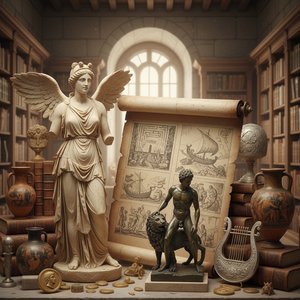
Timeless Legends: A Curated Guide to the Eternal Allure of Mythological Masterpieces
Embark on a sophisticated journey through the eternal allure of mythological art. Discover how master painters breathe life into ancient legends, from Greek deities to Baroque masterpieces, and learn to curate these timeless narratives within your own exquisite art collection.

Jacob Jordaens: Baroque Dynamism & Genre Innovation of the Antwerp School
Discover Jacob Jordaens, a leading Flemish Baroque painter renowned for his dynamic compositions & realistic genre scenes. Explore his life, art, and lasting influence with TopImpressionists.

巴洛克戏剧性:将辉煌与情感融入当代室内设计
探索巴洛克艺术的辉煌与奢华!TopImpressionists提供精湛的手工油画复制、定制服务和专业艺术咨询,助您将经典作品融入当代室内设计,提升家居品味。投资艺术,传承价值。

Echoes of Olympus: Mythological Narratives in Western Art Through the Ages
Explore the captivating history of mythological narratives in Western art! From ancient Greece to modern masterpieces, discover iconic artworks & symbolism. Expert analysis and high-quality reproductions at TopImpressionists.

巴洛克艺术的戏剧性辉煌:历史背景、风格特征与持久影响
深入探索巴洛克艺术的辉煌历史、独特风格与持久影响。了解卡拉瓦乔、贝尼尼等大师的作品,洞悉反宗教改革运动下的艺术变革。TopImpressionists.com为您提供专业的艺术解读与高清画作欣赏。

