


 实景预览
实景预览
 发送
发送 分享
分享
 详情
详情 指南
指南

 下载图片
下载图片
 相似作品
相似作品 X射线
X射线 幻灯片播放
幻灯片播放 统计数据
统计数据Patroclus
 Oil On Canvas
- WallArt
- Neoclassicism
 1780
1780 122.0 x 170.0 cm
Jacques-Louis David's 'Patroclus' captures the essence of Neoclassicism with a powerful depiction of Achilles’ companion. Explore this iconic painting, showcasing muscular form and symbolic elements within a historical masterpiece.
 阅读全文
阅读全文
Jacques-Louis David:法国浪漫主义绘画大师,以《奥拉蒂乌斯战神》、《拿破仑过阿尔卑斯山》等作品闻名于世,象征着古典美学与历史精神的辉煌。
艺术微喷/版画
博物馆级艺术微喷或帆布版画,制作高效,并提供多种饰面选择。 ( 订购此收藏品的纯手工复刻画作 切换至数字图像销售渠道)




P118B ¥10

P118H ¥10

P118W ¥10

P438Z ¥10

P508JH ¥12

P508YH ¥12

P805H ¥10

P805Z ¥10

P919BZ ¥10

P919G ¥10

P919XJ ¥10

P959ZH ¥10

P968JZ ¥12

W106C ¥8

W218G ¥10

W218JH ¥8

W218Y ¥10

W307PJ ¥10

W316G ¥10

W316PJ ¥8

W316Y ¥10

W398PJ ¥8

W4111J ¥10

W500HY ¥15

W500JH ¥15

W692G ¥12

W849H ¥8

W940BG ¥15

W953PJ ¥8




标准尺寸
定制
CM
INCH
您可以从与原作比例一致的预设尺寸中进行选择。
Loading sizes...

宽度
高度
您可以输入自定义尺寸,以适配特定的画框或空间。如果您选择的尺寸与原图比例不符,我们将对作品进行裁剪,或通过镜像填充/纯色填充边缘的方式来扩展图像。在开始制作之前,我们会向您发送一份数字效果图供您确认。
请注意,屏幕上的预览并不能反映实际的裁剪或扩展效果。只有效果图才能准确展示最终的构图。
虽然我们提供定制尺寸,但为了保持原图比例,我们建议您从预设列表中选择尺寸。


 玻璃选项仅适用于110厘米以下的尺寸。

Patroclus
艺术微喷/版画
复刻品尺寸说明
-


总计金额
¥ 465
A Glimpse into Ancient Greece: The Majesty of Patroclus
Jacques-Louis David’s 1780 painting, *Patroclus*, is more than a mere depiction of a Greek warrior; it's a meticulously crafted doorway to the ideals and moral complexities of Neoclassicism. Housed within the Musée Thomas Henry in Cherbourg, France, this oil on canvas invites us into a carefully constructed tableau that speaks volumes about honor, duty, and the poignant beauty of mortal existence. The image presents a man, powerfully built yet rendered with an almost serene detachment, turned away from direct view. This strategic pose immediately draws our attention to his physique – sculpted muscles hinting at strength and resilience – while simultaneously fostering a sense of contemplative distance.
David’s genius lies not just in anatomical accuracy but in the masterful orchestration of elements within the composition. The rough-hewn rock beneath him, coupled with the simple wooden bench, provides an earthy grounding to the scene, anchoring it firmly in the physical world. Yet, these humble materials are juxtaposed against the implied grandeur of the figure himself. And then there’s the book resting near his foot – a subtle yet potent symbol of knowledge and wisdom, suggesting that even amidst the trials of war and mortality, contemplation and learning hold enduring value. The lighting, carefully considered to create dramatic shadows and highlights, further emphasizes the musculature and adds depth to the scene, guiding our eye across the canvas.
The Neoclassical Vision: David’s Echoes of Antiquity
Created during a pivotal moment in French history – the waning years of the Ancien Régime and the burgeoning influence of revolutionary ideals – *Patroclus* embodies the core tenets of Neoclassicism. David, deeply influenced by the rediscovery of classical art and literature, sought to revive the aesthetic principles of ancient Greece and Rome. This wasn’t simply a stylistic choice; it was a deliberate attempt to connect with perceived moral virtues and civic responsibility. The painting's emphasis on idealized form, balanced composition, and restrained emotion reflects this commitment to classical ideals.
Unlike the opulent frivolity of the Rococo style that preceded it, Neoclassicism prioritized clarity, order, and a sense of timelessness. David’s meticulous attention to detail – from the texture of the fabric to the subtle nuances of light and shadow – demonstrates his dedication to replicating the precision and gravitas he admired in ancient sculpture and painting. The subject matter itself—a warrior figure embodying strength and stoicism—resonates with classical notions of heroism and self-sacrifice, themes frequently explored by Greek artists like Phidias and Polyclitus.
Symbolism and Emotional Resonance: A Portrait of Stoic Virtue
Beyond its formal qualities, *Patroclus* is rich in symbolic meaning. The figure’s averted gaze suggests a quiet contemplation, perhaps reflecting on the burdens of his role or the inevitability of mortality. His posture conveys a sense of dignified restraint – a warrior accepting his fate with unwavering resolve. The book, often interpreted as representing wisdom and philosophical reflection, hints at the importance of intellect alongside physical prowess. The painting isn’t about glorifying violence; it's about portraying a man who embodies virtue through strength, discipline, and an acceptance of duty.
David masterfully evokes a feeling of melancholy beauty. There is a profound sense of stillness within the scene, inviting the viewer to pause and consider the complexities of human existence. The painting’s enduring appeal lies in its ability to transcend its historical context and speak to universal themes of courage, honor, and the search for meaning – qualities that continue to resonate with audiences today. It's a testament to David's skill as an artist and his profound understanding of the power of visual storytelling.
艺术家简介
雅克-路易·大卫:革命的画笔,时代的肖像
雅克-路易·大卫(Jacques-Louis David),生于1748年的巴黎,不仅仅是一位画家,更是一位记录时代变迁、承载理想主义的视觉编年史家。他的生命轨迹与法国社会剧烈的变革紧密相连——从洛可艺术风格的衰落到新古典主义的庄严崛起,再到革命的浪潮和拿破仑帝国的辉煌。童年的不幸经历,以及最初因口吃而产生的沟通障碍,似乎反而磨砺了他的观察力,并点燃了他对艺术极致完美的执着追求。尽管最初师从布歇,但他很快便被维安所倡导的历史绘画和古典主题深深吸引,这与他内心深处日益增长的使命感产生了共鸣。屡次尝试却未能获得罗马奖学金,反而激化了他的决心,塑造了他一生的严谨态度。新古典主义的诞生:理性与英雄主义
大卫的艺术进化并非简单的风格转变,而是一种深刻的哲学宣言。他摒弃了洛可艺术那种轻浮的装饰和玩乐主题,转而拥抱古典时代所蕴含的清晰、秩序和道德严肃性。这股潮流深受庞贝古城和赫库兰尼姆遗址考古发现的影响,这些发现揭示了一个此前失落已久的罗马艺术与建筑世界。他的突破之作《霍拉蒂兄弟的誓言》(1784)超越了单纯的绘画技巧,成为了公民美德和爱国牺牲的象征。那幅画作的简洁构图、戏剧性的光线运用以及精确的素描技法,都标志着与过去的决裂。它不仅仅展现了一种新的艺术风格,更预示了即将席卷法国的思想潮流——一种对共和理想的渴望,以及对腐朽统治的反抗。革命与纪念:艺术作为政治武器
1789年法国大革命爆发后,大卫不仅是一位旁观者,更成为了积极的参与者。他热忱地支持革命事业,并与罗伯斯庇尔保持着密切联系,坚信艺术是塑造舆论、永垂不朽共和国理想的有力工具。这一时期的作品,成为了革命烈士和共和热情的象征。《马拉之死》(1793)无疑是他最具代表性的作品之一,它以一种令人心碎的现实主义手法描绘了被刺记者马拉的死亡场景,将其升华为一种世俗圣徒的形象。画面的简洁明快——苍白的尸体、简陋的书桌以及手中紧握的来信——赋予了这一场景深刻的情感共鸣。大卫曾在恐怖统治时期担任公共安全委员会成员,甚至签署了罗伯斯庇尔的死刑判决书,这充分体现了他与当时政治斗争的深度交织。从革命到帝国:为拿破仑效力
罗伯斯庇尔倒台标志着大卫职业生涯中的又一个转折点。他以惊人的适应能力,在不断变化的政治格局中游走,并成为了拿破仑·波拿巴的御用画家。新的赞助使他得以获得一系列宏大的委托,旨在歌颂拿破仑的胜利和成就。《穿过阿尔卑斯山隘道的拿破仑》(1801-1805)便是其中最著名的例子——这是一幅精湛的宣传作品,将拿破仑塑造成一位征服自然与敌人的英雄式人物。《拿破仑加冕礼》(1807)这幅巨大的画作,生动地捕捉了帝国仪式的奢华和庄严,进一步巩固了大卫作为拿波仑时代杰出艺术家的地位。在此期间,他的调色板逐渐变得更加温暖,融入了威尼斯画派的色彩元素,同时仍保持着其风格中特有的精确性和清晰度。流亡、遗产与持久的影响
1814年波旁王朝复辟给大卫带来了新的危机,他与已倒台的拿破仑的关系使他成为迫害的目标。1816年,他选择流亡至布鲁塞尔,在那里继续绘画和教学,直至1825年12月29日的去世。即使在流亡中,他的影响依然深远。他培养了众多学生,包括让-奥古斯特·多米尼克·英格,后者将成为19世纪最重要的新古典主义画家之一。大卫对素描、构图和历史准确性的强调,在新法兰西艺术领域留下了不可磨灭的印记。《他的遗产超越了单纯的模仿》;他对形式和空间的富有表现力的扭曲甚至预示了后来艺术家如亨利·马蒂斯和巴勃罗·毕加索的创新。雅克-路易·大卫不仅仅是一位时代的画家,他 *定义* 了那个时代,将革命、雄心壮志和永恒理想的精髓以画作的形式永久地记录了下来。- 主要成就:确立了新古典主义作为法国绘画的主流风格。
- 历史意义:创作了捕捉法国大革命精神的标志性图像,并描绘了拿破仑时代的辉煌。
- 影响:培养了一代有影响力的艺术家,延续了他的遗产。

雅克-路易·大卫
1748 - 1800 , 法国
快速概览
- 全名: 雅克-路易·大卫
- 出生地点: 法国巴黎
- 出生日期: 1748年8月30日
- 去世日期: 1825年12月29日
- 受此艺术家影响的艺术家或运动: ['让-奥古斯特·多米尼克·英格尔']
- 国籍: 法国人
- 影响该艺术家的艺术家:
- 弗朗索瓦· Boucher
- 约瑟夫-玛丽·维恩
- 艺术运动或风格: 新古典主义
- 著名作品:
- 《霍拉蒂兄弟的誓言》
- 《马拉之死》
- 《拿破仑过阿尔卑斯山》
相关文章

Echoes of Olympus: Mythological Narratives in Western Art Through the Ages
Explore the captivating history of mythological narratives in Western art! From ancient Greece to modern masterpieces, discover iconic artworks & symbolism. Expert analysis and high-quality reproductions at TopImpressionists.
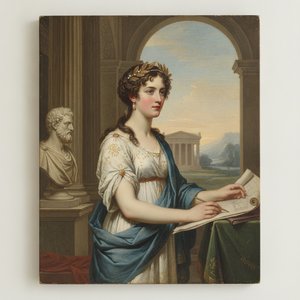
新古典主义肖像画:理性、权力与永恒美的追求
探索新古典主义肖像画的魅力!TopImpressionists 提供专业艺术解读、精美手工油画复制及定制服务。深入了解大卫、安格尔等大师,提升您的艺术鉴赏力与收藏价值。

新古典主义艺术的复兴:理想与创新的探索
深入探索新古典主义艺术的复兴:从启蒙运动到建筑、绘画和雕塑的辉煌。了解关键人物、风格特点及对后世的影响。TopImpressionists.com提供专业的艺术咨询与高品质油画复制服务。

Jacques-Louis David: Neoclassical Ideals & Revolutionary Witness
Explore the life & art of Jacques-Louis David, leading Neoclassical painter of the French Revolution. Discover iconic works like 'The Death of Marat' and his lasting impact on art history. Expert analysis & high-quality reproductions at TopImpressionists.

古典主义的复兴:探索新古典主义运动及其持久遗产
探索新古典主义运动的起源、关键人物与持久影响。深入了解大卫、安格尔等大师的作品,以及考古发现对艺术革新的推动作用。TopImpressionists.com提供专业的艺术咨询和定制服务,助您领略古典艺术之美。
探索按主题、风格和特征分类的艺术作品。


