


 效果预览
效果预览
 分享
分享 分享
分享
 详情
详情 指南
指南

 下载
下载
 相似作品
相似作品 X射线
X射线 幻灯片播放
幻灯片播放 统计数据
统计数据sorrow

 展开详情
展开详情
艺术微喷/版画
博物馆级艺术微喷或帆布版画,制作高效,并提供多种饰面选择。 ( 购买手绘画作 切换至数字图像销售渠道)




P118B $10

P118H $10

P118W $10

P438Z $10

P508JH $12

P508YH $12

P805H $10

P805Z $10

P919BZ $10

P919G $10

P919XJ $10

P959ZH $10

P968JZ $12

W106C $8

W218G $10

W218JH $8

W218Y $10

W307PJ $10

W316G $10

W316PJ $8

W316Y $10

W398PJ $8

W4111J $10

W500HY $15

W500JH $15

W692G $12

W849H $8

W940BG $15

W953PJ $8




标准尺寸
定制
CM
INCH
从与原作比例一致的预设尺寸中进行选择。
Loading sizes...

宽度
高度
您可以输入自定义尺寸,以适配特定的画框或空间。如果您选择的尺寸与原图比例不符,我们将对作品进行裁剪,或通过镜像填充/纯色填充边缘的方式来扩展图像。在开始制作之前,我们会向您发送一份数字效果图供您确认。
请注意,屏幕上的预览并不能反映实际的裁剪或扩展效果。只有效果图才能准确展示最终的构图。
虽然我们提供定制尺寸,但为了保持原图比例,我们建议您从预设列表中选择尺寸。


 玻璃选项仅适用于110厘米以下的尺寸。

sorrow
艺术微喷/版画
复制品尺寸
-


最终总价
$ 69
A Portrait of Inner Turmoil: Jacques-Louis David’s *Sorrow*
Jacques-Louis David's Sorrow is a deeply affecting work that transcends simple portraiture, offering instead a poignant study of human emotion rendered with the meticulous precision characteristic of Neoclassical art. Created sometime during his prolific career (1748-1825), this black and white painting exemplifies David’s ability to distill complex psychological states into strikingly visual form.
Subject & Composition
The composition centers on a solitary female figure, her head adorned with a delicate wreath of leaves. Her long, flowing hair frames a face cast downward in what appears to be profound contemplation – or perhaps grief. David’s masterful use of chiaroscuro—the dramatic interplay of light and shadow—heightens the emotional intensity, drawing the viewer's eye to her expressive features. The figure occupies a significant portion of the canvas, creating an intimate connection with the observer. While the background is subtly rendered, it provides depth and context without distracting from the central subject.
Style & Technique
Sorrow embodies the hallmarks of Neoclassicism: a commitment to clarity, order, and idealized form. David’s technique is characterized by precise draftsmanship and meticulous attention to detail, reflecting his rigorous academic training. The stark contrast between light and shadow not only emphasizes the woman's emotional state but also showcases David’s technical prowess. The painting’s monochromatic palette further contributes to its somber mood and timeless quality.
Historical Context & Artistic Influences
David was a pivotal figure during a period of immense social and political upheaval in France, initially gaining prominence before the French Revolution and later becoming deeply involved with its ideals. While Sorrow doesn’t directly depict revolutionary events, it reflects the era's shift towards seriousness, moral virtue, and emotional intensity – qualities central to Neoclassical art. David drew inspiration from classical antiquity, believing it offered a model for artistic excellence and civic responsibility. However, this work subtly anticipates the emerging Romantic sensibilities of the following decades with its focus on subjective experience and intense feeling.
Symbolism & Interpretation
The symbolism within Sorrow is both subtle and evocative. The wreath of leaves suggests a connection to nature, perhaps representing fleeting beauty or the cyclical nature of life and death. It also alludes to classical iconography, linking the figure to ancient ideals of mourning and remembrance. Is this sorrow born of personal loss? Is it a broader reflection on the anxieties of the age? David intentionally leaves these questions open-ended, inviting viewers to project their own emotions onto the figure and contemplate the universal experience of sadness.
Emotional Impact & Interior Design
The painting’s power lies in its ambiguity and emotional resonance. It evokes a sense of quiet contemplation and invites empathy from the viewer. Its subdued palette and introspective mood make it a compelling addition to various interior settings:
- Study or Library: Its contemplative nature complements spaces dedicated to thought and reflection.
- Dining Room: The dramatic lighting and classical elements add sophistication and intrigue.
- Hallway or Entryway: A striking focal point that invites conversation and contemplation.
To best showcase Sorrow, consider a neutral wall color – soft greys, warm off-whites, or muted blues will allow the black and white composition to stand out. Subtle lighting focused on the artwork will enhance its dramatic effect. Framing in a simple, elegant style—perhaps matte black, aged gold, or natural wood—will complement the Neoclassical aesthetic without overwhelming the piece.
Sorrow is more than just a painting; it’s a window into the human condition – a timeless exploration of grief, contemplation, and the enduring power of emotion.
艺术家简介
雅克-路易·大卫:革命的画笔,时代的肖像
雅克-路易·大卫(Jacques-Louis David),生于1748年的巴黎,不仅仅是一位画家,更是一位记录时代变迁、承载理想主义的视觉编年史家。他的生命轨迹与法国社会剧烈的变革紧密相连——从洛可艺术风格的衰落到新古典主义的庄严崛起,再到革命的浪潮和拿破仑帝国的辉煌。童年的不幸经历,以及最初因口吃而产生的沟通障碍,似乎反而磨砺了他的观察力,并点燃了他对艺术极致完美的执着追求。尽管最初师从布歇,但他很快便被维安所倡导的历史绘画和古典主题深深吸引,这与他内心深处日益增长的使命感产生了共鸣。屡次尝试却未能获得罗马奖学金,反而激化了他的决心,塑造了他一生的严谨态度。新古典主义的诞生:理性与英雄主义
大卫的艺术进化并非简单的风格转变,而是一种深刻的哲学宣言。他摒弃了洛可艺术那种轻浮的装饰和玩乐主题,转而拥抱古典时代所蕴含的清晰、秩序和道德严肃性。这股潮流深受庞贝古城和赫库兰尼姆遗址考古发现的影响,这些发现揭示了一个此前失落已久的罗马艺术与建筑世界。他的突破之作《霍拉蒂兄弟的誓言》(1784)超越了单纯的绘画技巧,成为了公民美德和爱国牺牲的象征。那幅画作的简洁构图、戏剧性的光线运用以及精确的素描技法,都标志着与过去的决裂。它不仅仅展现了一种新的艺术风格,更预示了即将席卷法国的思想潮流——一种对共和理想的渴望,以及对腐朽统治的反抗。革命与纪念:艺术作为政治武器
1789年法国大革命爆发后,大卫不仅是一位旁观者,更成为了积极的参与者。他热忱地支持革命事业,并与罗伯斯庇尔保持着密切联系,坚信艺术是塑造舆论、永垂不朽共和国理想的有力工具。这一时期的作品,成为了革命烈士和共和热情的象征。《马拉之死》(1793)无疑是他最具代表性的作品之一,它以一种令人心碎的现实主义手法描绘了被刺记者马拉的死亡场景,将其升华为一种世俗圣徒的形象。画面的简洁明快——苍白的尸体、简陋的书桌以及手中紧握的来信——赋予了这一场景深刻的情感共鸣。大卫曾在恐怖统治时期担任公共安全委员会成员,甚至签署了罗伯斯庇尔的死刑判决书,这充分体现了他与当时政治斗争的深度交织。从革命到帝国:为拿破仑效力
罗伯斯庇尔倒台标志着大卫职业生涯中的又一个转折点。他以惊人的适应能力,在不断变化的政治格局中游走,并成为了拿破仑·波拿巴的御用画家。新的赞助使他得以获得一系列宏大的委托,旨在歌颂拿破仑的胜利和成就。《穿过阿尔卑斯山隘道的拿破仑》(1801-1805)便是其中最著名的例子——这是一幅精湛的宣传作品,将拿破仑塑造成一位征服自然与敌人的英雄式人物。《拿破仑加冕礼》(1807)这幅巨大的画作,生动地捕捉了帝国仪式的奢华和庄严,进一步巩固了大卫作为拿波仑时代杰出艺术家的地位。在此期间,他的调色板逐渐变得更加温暖,融入了威尼斯画派的色彩元素,同时仍保持着其风格中特有的精确性和清晰度。流亡、遗产与持久的影响
1814年波旁王朝复辟给大卫带来了新的危机,他与已倒台的拿破仑的关系使他成为迫害的目标。1816年,他选择流亡至布鲁塞尔,在那里继续绘画和教学,直至1825年12月29日的去世。即使在流亡中,他的影响依然深远。他培养了众多学生,包括让-奥古斯特·多米尼克·英格,后者将成为19世纪最重要的新古典主义画家之一。大卫对素描、构图和历史准确性的强调,在新法兰西艺术领域留下了不可磨灭的印记。《他的遗产超越了单纯的模仿》;他对形式和空间的富有表现力的扭曲甚至预示了后来艺术家如亨利·马蒂斯和巴勃罗·毕加索的创新。雅克-路易·大卫不仅仅是一位时代的画家,他 *定义* 了那个时代,将革命、雄心壮志和永恒理想的精髓以画作的形式永久地记录了下来。- 主要成就:确立了新古典主义作为法国绘画的主流风格。
- 历史意义:创作了捕捉法国大革命精神的标志性图像,并描绘了拿破仑时代的辉煌。
- 影响:培养了一代有影响力的艺术家,延续了他的遗产。

雅克-路易·大卫
1748 - 1800 , 法国
艺术家简介
- 全名: 雅克-路易·大卫
- 出生地点: 法国巴黎
- 出生日期: 1748年8月30日
- 去世日期: 1825年12月29日
- 受此艺术家影响的艺术家或运动: ['让-奥古斯特·多米尼克·英格尔']
- 国籍: 法国人
- 影响该艺术家的艺术家:
- 弗朗索瓦· Boucher
- 约瑟夫-玛丽·维恩
- 艺术运动或风格: 新古典主义
- 著名作品:
- 《霍拉蒂兄弟的誓言》
- 《马拉之死》
- 《拿破仑过阿尔卑斯山》
相关文章

Timeless Elegance: The Grace, Order, and Intellectual Majesty of Neoclassical Portraiture
Explore the profound beauty of Neoclassical portraiture. Discover how masters used order, grace, and antiquity to transform portraits into timeless monuments of virtue and character through academic excellence.
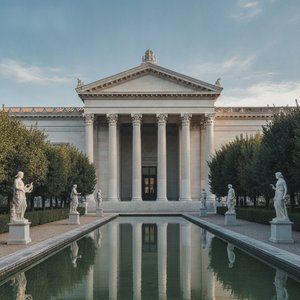
Neoclassicism Unveiled: Discovering the Timeless Elegance and Rational Order of Classical Art
Unveil the timeless elegance of Neoclassicism. Journey through an era defined by reason, order, and the revival of Greco-Roman ideals. Our expert exploration offers a sophisticated look at the transition from Rococo excess to classical precision for the true art enthusiast.


