


 效果预览
效果预览
 分享
分享 分享
分享
 详情
详情 指南
指南

 下载
下载
 相似作品
相似作品 X射线
X射线 幻灯片播放
幻灯片播放 统计数据
统计数据The Shop - An Exterior


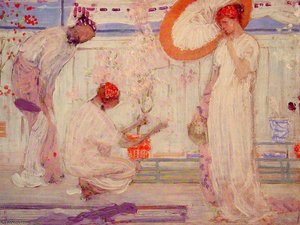
James Abbott McNeill Whistler's "The Shop - An Exterior" (1883) captures a bustling city street scene with figures and details, reflecting his aestheticism and tonal realism. Explore this iconic watercolor.
 展开详情
展开详情
James Abbott McNeill Whistler(威斯勒)是一位美國畫家,以其獨特的“藝術為藝術的價值”(Tonalism)風格和對美學主義的堅持而聞名。 他以捕捉光線、色彩和氛圍的微妙細節為樂,創作了許多具有詩意的作品,最著名的包括《母親》、《黑與金之夜》和《鍛 forge》。 他認為藝術應該純粹根據其美學品質來評價,而不應受到道德或社會評論的影響。 他對視覺藝術的獨特理解深深地影響了英國和美國的藝術家們,為現代主義開闢了道路,挑戰了傳統關於藝術目的的概念。 他在美國藝術史上留下了深刻的印記,激勵了一代又一代的藝術家們採用形式主義方法並探索色彩和構圖的表達潛力。
手工油画复制品
由我们的艺术家按需定制,为您提供您所选尺寸及画框的布面手工油画。 ( 切换至版画销售渠道 切换至数字图像销售渠道)




P118B $10

P118H $10

P118W $10

P438Z $10

P508JH $12

P508YH $12

P805H $10

P805Z $10

P919BZ $10

P919G $10

P919XJ $10

P959ZH $10

P968JZ $12

W106C $8

W218G $10

W218JH $8

W218Y $10

W307PJ $10

W316G $10

W316PJ $8

W316Y $10

W398PJ $8

W4111J $10

W500HY $15

W500JH $15

W692G $12

W849H $8

W940BG $15

W953PJ $8




标准尺寸
定制
CM
INCH
从与原作比例一致的预设尺寸中进行选择。
Loading sizes...

宽度
高度
您可以输入自定义尺寸,以适配特定的画框或空间。如果所选尺寸与原图比例不符,我们将通过裁剪作品或添加手绘元素来扩展画面。数字样稿将在制作开始前发送给您确认。
请注意,屏幕预览无法准确反映实际的裁剪或扩展效果,只有样稿才能真实呈现最终的构图。
虽然我们提供定制尺寸服务,但为了保留原作比例,建议您从预设列表中选择尺寸。
可定制示例:将面部替换为客户照片;添加宠物(例如,将猫替换为狗);在背景中加入隐藏信息;更改背景风景或元素。
下单后,TopImpressionists.com 团队将通过电子邮件联系客户获取具体要求,并提供效果预览图。
下单后,TopImpressionists.com 团队将通过电子邮件联系客户获取具体要求,并提供效果预览图。


 玻璃选项仅适用于110厘米以下的尺寸。

The Shop - An Exterior
复制材质
复制品尺寸
-


最终总价
$ 269
James Abbott McNeill Whistler’s “The Shop – An Exterior”: A Study in Light and Urban Life
James Abbott McNeill Whistler's "The Shop – An Exterior," painted circa 1883-1885, isn’t merely a depiction of a street scene; it’s a carefully constructed meditation on light, color, and the quiet drama of everyday life. Created during Whistler’s pivotal period as an artist in London, this watercolor and pencil work embodies his core aesthetic philosophy – “art for art’s sake,” prioritizing visual harmony and tonal relationships over narrative or emotional expression. The painting captures a bustling street corner, likely in Chelsea, London, brimming with figures engaged in their daily routines: shoppers browsing storefronts, children playing, and passersby lost in thought. Yet, Whistler deliberately avoids assigning specific identities to these individuals, presenting them as fragments of an urban tapestry rather than distinct characters.
Whistler’s technique is characterized by a remarkable restraint and a masterful manipulation of color. He employs a limited palette – primarily shades of gray, brown, and muted blues and greens – creating a subtle yet powerful sense of atmosphere. Rather than striving for photographic realism, Whistler focused on capturing the *impression* of light reflecting off surfaces, particularly the shopfronts and the wet cobblestones. His brushstrokes are loose and fluid, blending seamlessly to create areas of soft gradation and diffused color. This approach, rooted in his studies of Japanese prints (which profoundly influenced his aesthetic sensibilities), prioritized tonal harmony over sharp detail. The painting’s overall effect is one of luminous tranquility—a moment suspended in time where the ordinary becomes extraordinary through Whistler's sensitive observation.
A Window into Aestheticism and Victorian London
“The Shop – An Exterior” is deeply embedded within the context of Aestheticism, a late 19th-century artistic and intellectual movement that rejected traditional values and championed beauty as an end in itself. Whistler, along with artists like Oscar Wilde and Walter Pater, sought to liberate art from moralizing narratives and elevate it to a realm of pure sensory experience. This painting reflects the aestheticist preoccupation with capturing fleeting moments of beauty and exploring the interplay between light, color, and form. It also offers a glimpse into Victorian London—a rapidly industrializing city teeming with life, commerce, and social diversity.
The scene itself is remarkably detailed for Whistler’s style. The various objects scattered across the street – chairs, benches, handbags, bicycles – are rendered with careful attention to their shapes and textures. However, these details serve not as a means of telling a story but rather as elements within a larger composition designed to create visual pleasure. The inclusion of a dog adds an element of casual charm, while the presence of children suggests a sense of youthful energy. Whistler’s deliberate choice of subjects—a humble shopfront and ordinary street life—underscores his belief that beauty could be found in the most unassuming corners of existence.
Symbolism and Emotional Resonance
While rejecting overt symbolism, “The Shop – An Exterior” is rich with subtle visual cues. The muted color palette evokes a sense of melancholy or nostalgia, suggesting a reflection on the passage of time and the ephemeral nature of beauty. The arrangement of figures—grouped loosely together yet maintaining a degree of spatial separation—creates a dynamic composition that invites the viewer to contemplate their relationships to one another and to the urban environment. The light itself is symbolic, casting long shadows and highlighting certain areas of the scene while obscuring others, adding depth and mystery to the image.
Ultimately, “The Shop – An Exterior” isn’t about depicting a specific place or event; it's about capturing a feeling—a sense of quiet contemplation amidst the bustle of urban life. Whistler invites us to slow down, observe carefully, and appreciate the beauty that can be found in the ordinary. The painting’s enduring appeal lies in its ability to evoke a powerful emotional response without resorting to explicit narrative or sentimental imagery. It remains a testament to Whistler's innovative approach to art and his unwavering commitment to “art for art’s sake.”
Considerations for Reproduction and Interior Design
Reproductions of "The Shop – An Exterior" offer a captivating addition to any interior space, bringing a touch of Victorian elegance and understated beauty. The painting's muted color palette works well in a variety of settings, complementing both warm and cool tones. Its focus on light and atmosphere makes it particularly suitable for rooms with ample natural light or those designed to evoke a sense of tranquility. The composition’s loose brushstrokes and subtle gradations create an image that is both visually engaging and remarkably calming—a perfect choice for creating a sophisticated and contemplative environment.



艺术家简介
詹姆斯·艾伯特·麦克尼尔·惠斯勒:唯美主义的先驱
1834年7月10日,詹姆斯·艾伯特·麦克尼尔·惠斯勒诞生于美国马萨诸塞州洛厄尔,他的一生如同他笔下的作品一般,充满了对传统的反叛与对美的极致追求。惠斯勒并非一位简单的画家,而是一位思想家、艺术家和文化符号,他的艺术理念深刻影响了19世纪末的艺术潮流,并为现代艺术的发展奠定了基础。早年的经历塑造了他独特的审美观:幼年在俄国圣彼得堡接受绘画训练,随后在西点军校短暂学习,最终放弃军事生涯,全身心投入到艺术创作中。这段漂泊不定的岁月,让他接触了不同的文化和思想,也培养了他对形式与色彩的敏锐感知力。
巴黎岁月:风格的孕育
1855年,惠斯勒前往巴黎,开启了他的艺术生涯新篇章。在巴黎,他师从著名画家古莱尔,并结识了库尔贝、马奈和莫奈等一批重要的艺术家。这段经历对惠斯勒的影响深远,他开始摆脱传统的绘画模式,探索更加自由的表达方式。他逐渐形成了自己独特的艺术风格:注重色彩的和谐与光线的微妙变化,追求画面整体的平衡与韵律。惠斯勒的作品不再是简单的现实再现,而是艺术家主观感受和审美理想的体现。他将绘画视为一种音乐般的创作,强调“音响”与“色彩”之间的联系,力求在画布上创造出一种和谐而富有诗意的氛围。
“夜曲”系列:唯美主义的典范
惠斯勒最负盛名的莫过于他的“夜曲”系列作品。这些画作描绘了泰晤士河夜晚的景象,但并非对现实的简单复制,而是艺术家对光线、色彩和氛围的微妙捕捉。他运用柔和的色调和朦胧的光影效果,营造出一种宁静而神秘的意境。惠斯勒将“夜曲”视为一种音乐形式在绘画上的体现,强调画面整体的和谐与韵律。这些作品不仅展现了惠斯勒高超的绘画技巧,更体现了他对唯美主义的深刻理解:艺术的目的并非传递道德信息或反映社会现实,而是创造一种纯粹的美感,让观者沉浸于一种愉悦而宁静的心境之中。《黑金夜曲——坠落的火箭》便是其中最具代表性的作品之一,它以其独特的构图和色彩运用,成为了唯美主义艺术的经典之作。
争议与影响:艺术理念的传播
惠斯勒的一生并非一帆风顺。他因其对传统绘画观念的挑战而饱受批评,甚至引发了著名的诉讼风波。1878年,惠斯勒起诉英国评论家罗伯特·卢金,指控其诽谤了他的作品。这场官司虽然惠斯勒最终败诉,但却引起了社会各界的广泛关注,也让更多人了解了惠斯勒的艺术理念。惠斯勒坚信“艺术为艺术”,反对将道德或政治信息强加于艺术创作之中。他认为艺术应该追求纯粹的美感,并以其自身的价值存在。这种思想对19世纪末的艺术界产生了深远的影响,推动了唯美主义运动的发展,也为现代艺术的诞生奠定了基础。
遗产:永恒的审美追求
惠斯勒于1903年在伦敦去世,享年69岁。他留下了大量的作品,包括油画、水彩画和版画等。他的作品不仅具有极高的艺术价值,也蕴含着深刻的思想内涵。惠斯勒对形式与色彩的独特运用,以及他对唯美主义理念的坚定捍卫,使他成为了西方艺术史上的一位重要人物。他的作品至今仍被广泛欣赏和研究,并继续激励着一代又一代的艺术家们去追求美的极致。
主要作品
- 《母亲像》(灰与黑的安排第一号) - 1871
- 《夜曲:黑金——坠落的火箭》 - 1875
- 《泰晤士河系列画作》 - 1870年代
- 《孔妮·吉尔克里斯特:棕色与金色》 - 1876-77
影响
- 日本浮世绘 - 对其构图和装饰性图案产生了重要影响。
- 委拉斯凯兹 - 色彩运用和光影效果的灵感来源。

惠斯勒
1834 - 1903 , 美国
艺术家简介
- Artistic Movement Or Style: 新唯美主义,印象派
- Artists Or Movements Influenced By This Artist:
- 唯美主义运动
- 现代主义
- Artists Who Influenced This Artist:
- 委拉斯凯兹
- 日本浮世绘
- Date Of Birth: 1834年7月10日
- Date Of Death: 1903年7月17日
- Full Name: 詹姆斯·艾伯特·麦克尼尔·惠斯勒
- Nationality: 美国
- Notable Artworks:
- 灰与黑的构图一号(惠斯勒的母亲)
- 夜曲:黑金 - 坠落的火箭
- 炉火
- 孔雀房间
- Place Of Birth (City And Country): 美国马萨诸塞州洛厄尔
相关文章

惠斯勒大师25幅杰作:艺术、家居与永恒之美 | TopImpressionists
探索詹姆斯·惠斯勒25幅杰作!深入了解夜曲、静谧和谐等经典油画背后的故事与艺术魅力。TopImpressionists.com提供博物馆级复制品,为您的家居带来永恒之美。立即在线探索完整系列!

Ephemeral Visions: Exploring the Artistic Legacy & Nuances of Watercolor Painting
Explore the captivating world of watercolor painting! Discover its rich history, essential techniques, influential artists & collecting tips from art experts. A comprehensive guide for enthusiasts.

Ephemeral Visions: Exploring the Artistic Legacy & Contemporary Practice of Watercolor Painting
Explore the captivating world of watercolor painting! Discover its rich history, essential techniques, influential artists & collecting tips. A comprehensive guide for art enthusiasts from TopImpressionists.

Watercolor Wonders: 10 Masterpieces That Redefined Art History | TopImpressionists
Journey through 10 legendary watercolor masterpieces by Sargent, Turner & Homer! Explore iconic landscapes, portraits & floral art that redefined history. Find museum-quality reproductions and curated decor ideas at TopImpressionists.com.

水彩艺术的流光溢彩:历史渊源、情感共鸣与现代实践
探索水彩艺术的流光溢彩!深入了解其历史渊源、大师技法与现代实践。提供专业的艺术咨询、定制油画服务,助您收藏和鉴赏优秀作品。TopImpressionists.com – 您的艺术之选。


