


 实景预览
实景预览
 发送
发送 分享
分享
 详情
详情 指南
指南

 下载图片
下载图片
 相似作品
相似作品 X射线
X射线 幻灯片播放
幻灯片播放 统计数据
统计数据Windswept Trees
 Impressionism
 30.0 x 38.0 cm
Discover 'Windswept Trees' by James Hargreaves Morton – an evocative Impressionist landscape painting of a rural scene. Loose brushwork & muted tones capture fleeting beauty. A serene piece for art lovers.
James Hargreaves Morton (1881-1918) was a British artist known for evocative landscapes & rural scenes. Explore his paintings of trees, wildlife & daily life.
 阅读全文
阅读全文
艺术微喷/版画
博物馆级艺术微喷或帆布版画,制作高效,并提供多种饰面选择。 ( 订购此收藏品的纯手工复刻画作 切换至数字图像销售渠道)




































标准尺寸
定制
CM
INCH
您可以从与原作比例一致的预设尺寸中进行选择。
Loading sizes...

宽度
高度
请输入您所需的宽度和高度,以适配您的画框或墙面。由于印刷品只能进行裁剪,无法超出原图尺寸,因此若比例不一致,画面的一部分将会被裁切。在正式印刷之前,我们会为您发送一份数字效果图供您确认。本页面显示的图片并非最终裁剪后的效果——只有效果图才能展示真实的裁剪情况。


 玻璃选项仅适用于110厘米以下的尺寸。

Windswept Trees
艺术微喷/版画
复刻品尺寸说明
-


总计金额
¥ 464
相关艺术品


艺术家简介
James Hargreaves Morton: A Vision of Rural England
James Hargreaves Morton (1881-1918) remains a quietly compelling figure in British art, an Impressionistic painter who captured the essence of rural life in Lancashire with remarkable sensitivity and detail. Born into a family of cotton workers in Darwen – a town deeply intertwined with the industrial heartland of England – Morton’s artistic journey was initially shaped by his humble origins and a keen observation of the world around him. His work, often characterized by muted palettes, loose brushstrokes, and an intimate portrayal of landscapes and wildlife, offers a poignant glimpse into a vanishing era of rural England, imbued with both beauty and melancholy.
Morton’s early life provided a unique foundation for his artistic development. He received a basic education at local schools, including the Darwen Technical School and Higher Grade School, where he demonstrated an aptitude for drawing and perspective – skills that would later inform his meticulous depictions of trees, fields, and farmhouses. Crucially, he benefited from access to educational opportunities afforded by his family’s circumstances, a rare privilege for children of working-class families at the time. This early exposure to artistic principles, combined with his innate observational abilities, laid the groundwork for his distinctive style. His mother's untimely death in 1906, and subsequent struggles within the family, are believed to have spurred him towards pursuing art as a means of expression and livelihood.
- Early Influences: While specific artistic influences remain somewhat elusive due to limited documentation, it’s reasonable to suggest that Morton was influenced by the broader Impressionist movement, particularly the works of Claude Monet and John Constable. The emphasis on capturing fleeting moments of light and atmosphere, combined with a focus on everyday subjects, resonates strongly in his paintings.
- Technique: Morton's technique is characterized by a deliberate avoidance of sharp outlines and precise detail. Instead, he employed loose brushstrokes and layered washes of color to create a sense of depth and atmosphere. He skillfully utilized light and shadow to evoke the changing moods of the landscape, particularly during dawn and dusk.
- Subject Matter: His paintings predominantly feature scenes from rural Lancashire – windswept trees, quiet cottages, flocks of birds in flight, and glimpses of farm life. These subjects were not merely decorative; they reflected a deep connection to his roots and a profound appreciation for the natural world.
A Brief but Significant Career
Morton’s artistic career unfolded during a period of significant social and political upheaval in Britain. The early 20th century witnessed the rise of industrialization, urbanization, and growing social unrest. Despite these challenges, Morton continued to paint prolifically, exhibiting his work locally and establishing a modest reputation within the art community. His paintings were often displayed at local exhibitions and sold through various galleries, providing him with a limited but sustainable income.
A particularly intriguing episode in his life occurred during World War I when he was briefly suspected of espionage due to his sketching in the Lake District. This incident highlights the anxieties and suspicions prevalent during wartime, as well as the perceived threat posed by artists who documented the natural world. His military service, though brief, underscores the societal pressures faced by young men at the time.
Notable Works
- “White Cottage Landscape” (1908): This painting exemplifies Morton’s signature style – a serene depiction of a rural scene bathed in soft light. The composition is carefully balanced, with a small cottage nestled amidst rolling hills and trees. The use of earthy tones creates a sense of tranquility and timelessness.
- “Windswept Trees” (1912): This work captures the drama of a windswept landscape, with gnarled trees bending in the wind. The loose brushstrokes convey a sense of movement and energy, while the muted palette evokes the feeling of a damp autumn day.
- “Christine Hargreaves” (1960): This painting is an evocative portrait of Christine Hargreaves, one of the stars of Coronation Street. It captures her beauty and grace with a delicate touch.
Legacy and Historical Significance
Despite his relatively short career, James Hargreaves Morton left behind a significant body of work that offers valuable insights into the social and cultural landscape of early 20th-century Britain. His paintings are not merely representations of rural scenes; they are imbued with a sense of nostalgia for a disappearing way of life. Morton’s work is now recognized as an important example of British Impressionism, showcasing the unique artistic vision of a talented artist who captured the beauty and melancholy of his native Lancashire.
His story serves as a reminder that art can emerge from unexpected places – in the homes of working-class families, amidst the challenges of industrialization, and within the quiet corners of rural England. James Hargreaves Morton’s legacy continues to inspire artists and art lovers alike, reminding us of the enduring power of observation, empathy, and artistic expression.

James Hargreaves Morton
1881 - 1918
快速概览
- Full Name: James Hargreaves Morton
- Nationality: British
- Date Of Birth: 1881
- Date Of Death: 1918
- Place Of Birth: Darwen, Lancashire, UK
- Notable Artworks:
- White Cottage Landscape
- Windswept Trees
- Artistic Movement Or Style: Impressionism
- Artists Who Influenced This Artist: ['None specified']
- Artists Or Movements Influenced By This Artist: ['None specified']
相关文章

The Timeless Charm of Oil on Board: Reimagining Texture and Light through the Impressionist Lens
Discover the profound intimacy of oil on panel. Explore how Impressionist masters used rigid supports to capture light, texture, and impasto depth through exquisite, handmade oil reproductions for discerning collectors.

The Beauty of Impermanence: Capturing Decay through Impressionist Eyes
Explore the profound beauty of impermanence through Impressionist and Post-Impressionist eyes. Discover how masters like Monet and Van Gogh captured fleeting light and the poetic essence of nature's transitions in our deep dive into art history and emotional landscapes.

Capturing the Soul: The Most Emotionally Moving Impressionist and Post-Impressionist Masterpieces
Discover the profound emotional depth of Impressionist and Post-Impressionist masterpieces. Explore how legends like Monet, Van Gogh, and Gauguin captured light and soul through evocative landscapes and vibrant brushwork for a timeless connection to art history.
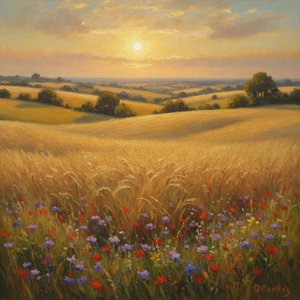
Golden Fields & Sun-Drenched Meadows: Capturing the Soul of Impressionist Landscapes
Immerse yourself in the luminous world of Impressionist landscapes. Discover how masters like Monet and Gauguin captured ephemeral light through plein air painting, and learn to bring the soul of sun-drenched meadows into your home with exquisite, hand-painted oil reproductions.

Beyond the Light: Capturing Raw Emotion and Subjective Vision in Post-Impressionist Landscapes
Explore the profound emotional depth of Post-Impressionist landscapes. Discover how masters like Van Gogh moved beyond light to capture raw human feeling through vibrant color and expressive texture in this expert art history retrospective.