

 实景预览
实景预览
 发送
发送 分享
分享
 详情
详情 指南
指南

 下载图片
下载图片
 相似作品
相似作品 X射线
X射线 幻灯片播放
幻灯片播放 统计数据
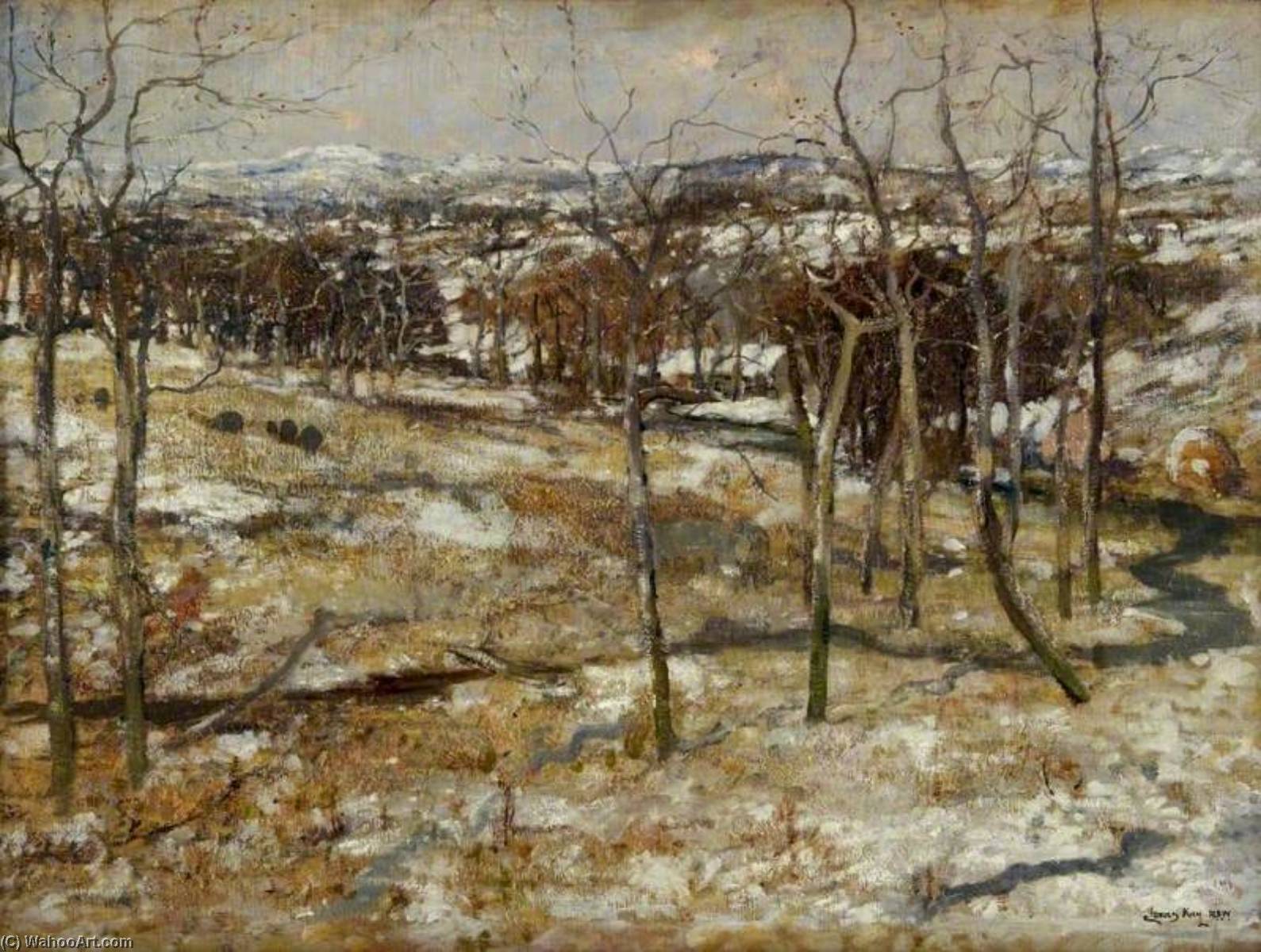
统计数据Thaw
 69.0 x 94.0 cm
James Kay was an American landscape painter who flourished during the Romantic era. Known for his evocative depictions of the American wilderness—particularly Yosemite Valley—his paintings captured the grandeur and beauty of nature with meticulous detail and expressive brushstrokes. His work remains a cornerstone of American art history, embodying the spirit of exploration and appreciation for the
 阅读全文
阅读全文
艺术微喷/版画
博物馆级艺术微喷或帆布版画,制作高效,并提供多种饰面选择。 ( 订购此收藏品的纯手工复刻画作 切换至数字图像销售渠道)




































标准尺寸
定制
CM
INCH
您可以从与原作比例一致的预设尺寸中进行选择。
Loading sizes...

宽度
高度
请输入您所需的宽度和高度,以适配您的画框或墙面。由于印刷品只能进行裁剪,无法超出原图尺寸,因此若比例不一致,画面的一部分将会被裁切。在正式印刷之前,我们会为您发送一份数字效果图供您确认。本页面显示的图片并非最终裁剪后的效果——只有效果图才能展示真实的裁剪情况。


 玻璃选项仅适用于110厘米以下的尺寸。

Thaw
艺术微喷/版画
复刻品尺寸说明
-


总计金额
¥ 464
艺术家简介
The Evocative Wilderness of James Kay
James Kay, born in 1858 and passing in 1942, stands as a compelling figure within the pantheon of American landscape painters. Though perhaps not a household name today, his work embodies the spirit of Romanticism that flourished during his lifetime, specifically capturing the burgeoning national fascination with the untamed beauty of the American West. Kay wasn’t merely documenting scenery; he was translating an emotional experience – a reverence for nature's power and majesty – onto canvas with meticulous detail and a sensitive hand.
Early Life and Artistic Development
Details surrounding Kay’s early life remain somewhat elusive, a common trait for artists working outside the established art circles of major cities. However, it is known that he developed his skills through dedicated study and observation. He wasn't formally trained in European academic traditions, which perhaps contributed to the uniquely American character of his work. Instead, Kay appears to have honed his craft by directly engaging with the landscapes that would become his lifelong muse. This direct engagement fostered a style characterized not by strict adherence to convention, but by an intuitive understanding of light, atmosphere, and form.
Yosemite Valley: A Defining Inspiration
The defining moment in Kay’s artistic journey came with his immersion into the breathtaking vistas of Yosemite Valley. This iconic location, already celebrated by artists like Albert Bierstadt and Thomas Cole, proved to be a profound source of inspiration for Kay. However, while sharing a similar subject matter, Kay's approach differed subtly yet significantly. Where Bierstadt often emphasized dramatic grandeur and almost theatrical lighting, Kay’s paintings possess a quieter intimacy. He focused on capturing the subtle nuances of light filtering through the trees, the delicate textures of granite cliffs, and the peaceful stillness of the valley floor. His Yosemite scenes weren’t about overwhelming spectacle; they were about inviting the viewer into a contemplative experience of nature.
Technique and Artistic Style
Kay's technique reflects his dedication to realism, but it is a realism tempered by expressive brushwork and a keen sense of color harmony. He employed a layering technique, building up tones and textures to create depth and luminosity. His palette favored earth tones – greens, browns, grays, and blues – reflecting the natural hues of the landscapes he depicted. His paintings are notable for their atmospheric perspective, creating a convincing sense of distance and scale. While often categorized within the Romantic tradition, Kay’s work also anticipates elements of Impressionism in its focus on capturing fleeting moments of light and atmosphere. He wasn't interested in photographic accuracy; he sought to convey the *feeling* of being present in these majestic spaces.
Legacy and Historical Significance
James Kay’s paintings offer a valuable window into the American artistic landscape of the late 19th and early 20th centuries. His work reflects not only an appreciation for natural beauty but also the growing national consciousness surrounding conservation and preservation. He captured Yosemite Valley at a pivotal moment in its history, before widespread development altered its pristine character. Today, his paintings serve as both historical documents and enduring works of art, reminding us of the power and fragility of the natural world.
- Key Themes: The sublime beauty of nature, the American wilderness, atmospheric perspective, light and shadow, contemplative landscapes.
- Influences: Hudson River School painters (though not a direct student), Albert Bierstadt, Thomas Cole, the broader Romantic movement.
- Major Achievements: Evocative depictions of Yosemite Valley, capturing the essence of the American West, establishing a unique artistic voice within the landscape painting tradition.
Though his name may not be as widely recognized as some of his contemporaries, James Kay’s contribution to American art history is significant. His paintings continue to resonate with viewers today, offering a glimpse into a bygone era and inspiring a renewed appreciation for the enduring power of nature.

James Kay
1858 - 1942
快速概览
- Artistic Movement Or Style: Romantic Painting
- Artists Who Influenced This Artist:
- Thomas Cole
- Hudson River School
- Date Of Birth: 1858
- Date Of Death: 1942
- Full Name: James Barton Kay
- Nationality: American
- Notable Artworks: ['The Old Man and the Sea']
- Place Of Birth: Boston, Massachusetts