


 实景预览
实景预览
 发送
发送 分享
分享
 详情
详情 指南
指南

 下载图片
下载图片
 相似作品
相似作品 X射线
X射线 幻灯片播放
幻灯片播放 统计数据
统计数据Two By A Riverside

James Watterston Herald’s "Two By A Riverside" captures a contemplative woman in a dreamy pastel scene. Impressionistic brushwork & atmospheric haze evoke introspection. Explore British heritage art.
Explore the unique world of James Watterston Herald's art! Discover evocative scenes & British heritage through his captivating paintings. A significant figure in TopImpressionists.
 阅读全文
阅读全文
艺术微喷/版画
博物馆级艺术微喷或帆布版画,制作高效,并提供多种饰面选择。 ( 订购此收藏品的纯手工复刻画作 切换至数字图像销售渠道)




































标准尺寸
定制
CM
INCH
您可以从与原作比例一致的预设尺寸中进行选择。
Loading sizes...

宽度
高度
请输入您所需的宽度和高度,以适配您的画框或墙面。由于印刷品只能进行裁剪,无法超出原图尺寸,因此若比例不一致,画面的一部分将会被裁切。在正式印刷之前,我们会为您发送一份数字效果图供您确认。本页面显示的图片并非最终裁剪后的效果——只有效果图才能展示真实的裁剪情况。


 玻璃选项仅适用于110厘米以下的尺寸。

Two By A Riverside
艺术微喷/版画
复刻品尺寸说明
-


总计金额
¥ 464
相关艺术品


艺术家简介
James Watterston Herald: A Capturer of Scottish Life and Light
James Watterston Herald (1859-1914) emerged from the heart of Scotland as a distinctive painter, renowned for his evocative depictions of everyday life in the late 19th and early 20th centuries. Born in Forfar, a small town in Angus, he possessed an innate artistic sensibility nurtured by a childhood steeped in rural Scottish culture. While formal art training was limited – primarily through classes at Dundee High School – Herald’s talent blossomed through observation and a deep connection to his surroundings. His work offers a poignant glimpse into the social fabric of Scotland during a period of significant transformation, blending elements of Impressionism with a distinctly local sensibility.
Herald's early career saw him move to Edinburgh in 1884, where he established himself as a professional artist. He quickly gained recognition for his ability to capture the atmosphere and character of the city’s Old Town – its narrow closes, bustling streets, and diverse inhabitants. His subjects ranged from portraits of local figures to scenes of public gatherings, market days, and street life. These paintings weren't merely representations; they were imbued with a sense of immediacy and warmth, reflecting Herald’s keen eye for detail and his ability to convey the spirit of his subjects.
A pivotal moment in Herald’s career was his relocation to Arbroath in 1901. This move marked a shift towards a more focused artistic vision, characterized by an increased emphasis on landscape and scenes of rural life. He continued to paint the harbour, capturing its vibrant activity and the changing light upon the water. His style during this period became looser and more expressive, embracing Impressionistic techniques while retaining his distinctive Scottish perspective. He was particularly drawn to depicting crowds – market gatherings, festivals, and street scenes – often rendered with a dynamic sense of movement and color.
Herald’s artistic influences are complex and layered. While he admired the work of contemporary artists like Arthur Melville, whose loose brushwork and atmospheric effects resonated with Herald's own approach, his roots lay firmly in Scottish tradition. The influence of the Pre-Raphaelites is also discernible in his attention to detail and his interest in portraying human emotion. Furthermore, his experience as a journalist – he had worked for newspapers like The Argus – undoubtedly shaped his ability to observe and capture the nuances of everyday life.
Key Characteristics of Herald’s Art
Several key characteristics define Herald's artistic style: a vibrant use of color, often employing loose brushstrokes to create an impressionistic effect; a focus on capturing fleeting moments and atmospheric conditions; and a deep empathy for his subjects. His paintings are not simply depictions of scenes but rather emotional responses to them. He skillfully used light and shadow to create depth and atmosphere, and he was particularly adept at conveying the sense of movement in crowded gatherings.
His compositions frequently feature diagonal lines and asymmetrical arrangements, contributing to a dynamic and engaging visual experience. He avoided rigid formality, preferring instead to capture the spontaneity and energy of everyday life. His subjects are often rendered with a degree of intimacy, inviting the viewer to share in their experiences.
Notable Works
Among Herald’s most celebrated works are “Lady at the Window,” a captivating portrait that captures a moment of quiet contemplation; "Going To School," a charming depiction of children enjoying a snowy winter afternoon; and numerous scenes from Arbroath harbour, showcasing his mastery of light and color. These paintings exemplify his ability to transform ordinary subjects into compelling works of art.
The University of St Andrews holds a significant collection of Herald’s work, including sketches and studies that offer valuable insights into his artistic process. His paintings are also featured in several private collections and museums throughout Scotland.
Historical Significance and Legacy
James Watterston Herald's art provides a unique window into the social and cultural landscape of late 19th and early 20th century Scotland. His paintings capture the spirit of a nation undergoing rapid change, reflecting both its traditions and its aspirations. He is considered a significant figure in Scottish art, known for his distinctive style and his ability to convey the beauty and character of his homeland.
While he may not be as widely recognized as some of his contemporaries, Herald’s work continues to resonate with viewers today. His paintings offer a reminder of the importance of observing and appreciating the everyday moments that shape our lives. His legacy lies in his ability to capture the essence of Scottish life with sensitivity, skill, and genuine warmth.

James Watterston Herald
1859 - 1914 , United Kingdom
快速概览
- Full Name: James Watterston Herald
- Nationality: British, Scottish
- Date Of Birth: 1859
- Date Of Death: 1914
- Place Of Birth: United Kingdom
- Notable Artworks:
- Lady at the Window
- Leopard Standing
- Going To School
- Artistic Movement Or Style: Impressionism
- Artists Who Influenced This Artist: ['Arthur Melville']
- Artists Or Movements Influenced By This Artist: ['Scottish art']
相关文章
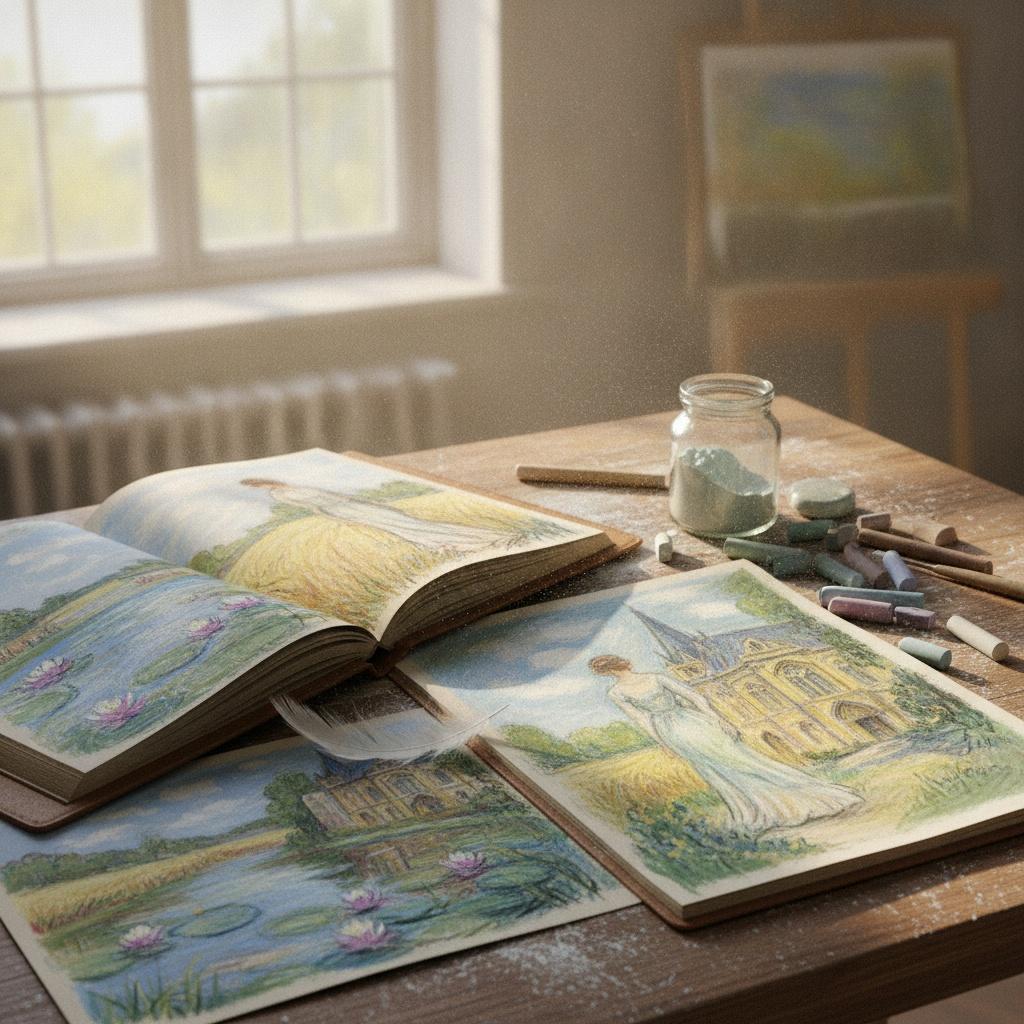
The Soft Magic of Chalk: Capturing Light, Texture, and the Ethereal Soul of Impressionist Masterpieces
Discover the ethereal beauty of pastel and chalk art. Explore how Impressionist masters like Van Gogh and Degas captured light and texture to create timeless, soulful masterpieces for the discerning collector.

Soft Light & Velvet Touch: The Ethereal Magic of Pastel Artistry in Impressionist Masterpieces
Discover the ethereal beauty of pastel art through an Impressionist lens. Explore how masters like Monet and Renoir captured light and velvet textures, and learn to curate a collection of luminous, museum-quality masterpieces for your home.

Eternal Bonds in Dappled Light: Capturing the Tender Warmth of Family Gatherings in Impressionist Masterpieces
Step into a world of dappled sunlight and tender connections. Explore how Impressionist masters like Renoir captured the warmth of family life. At TopImpressionists.com, we transform your cherished memories into exquisite, hand-painted oil masterpieces that celebrate eternal bonds.

Beyond the Brushstroke: Unveiling the Intimate Charm of Impressionist Studio Scenes
Journey into the heart of Impressionism. Explore the intimate allure of artist studios through our exquisite hand-painted reproductions. From Monet’s Seine laboratory to serene ateliers, we bring the luminous beauty of the masters to your sanctuary with expert care.

Capturing the Soul: The Most Emotionally Moving Impressionist and Post-Impressionist Masterpieces
Discover the profound emotional depth of Impressionist and Post-Impressionist masterpieces. Explore how legends like Monet, Van Gogh, and Gauguin captured light and soul through evocative landscapes and vibrant brushwork for a timeless connection to art history.