

 实景预览
实景预览
 发送
发送 分享
分享
 详情
详情 指南
指南

 下载图片
下载图片
 相似作品
相似作品 X射线
X射线 幻灯片播放
幻灯片播放 统计数据
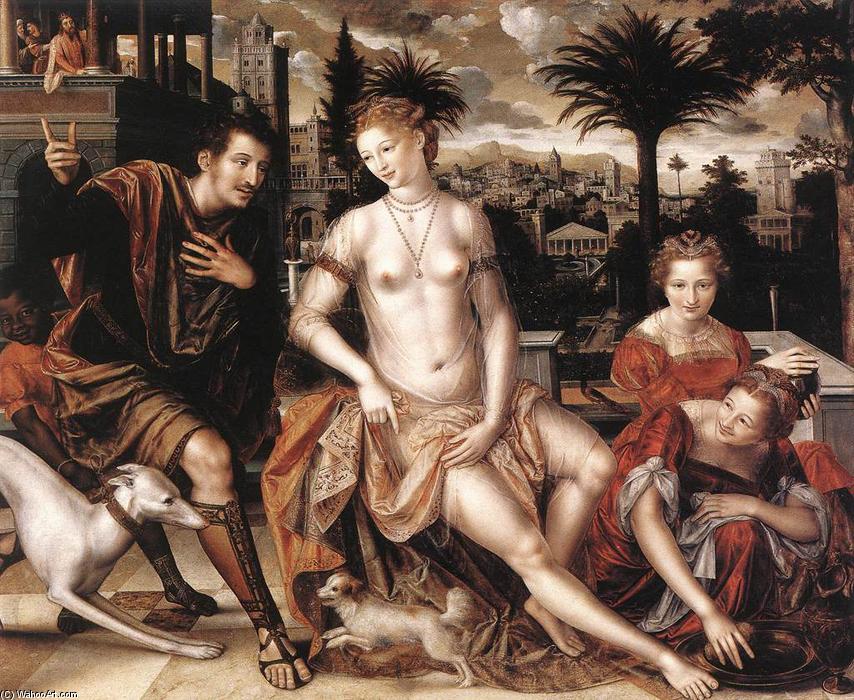
统计数据David and Bathsheba
 Oil On Canvas
- WallArt
- Baroque Renaissance Fusion
 1562
1562- Renaissance
 162.0 x 197.0 cm
 卢浮宫
卢浮宫
 阅读全文
阅读全文
艺术微喷/版画
博物馆级艺术微喷或帆布版画,制作高效,并提供多种饰面选择。 ( 订购此收藏品的纯手工复刻画作 切换至数字图像销售渠道)




P118B ¥10

P118H ¥10

P118W ¥10

P438Z ¥10

P508JH ¥12

P508YH ¥12

P805H ¥10

P805Z ¥10

P919BZ ¥10

P919G ¥10

P919XJ ¥10

P959ZH ¥10

P968JZ ¥12

W106C ¥8

W218G ¥10

W218JH ¥8

W218Y ¥10

W307PJ ¥10

W316G ¥10

W316PJ ¥8

W316Y ¥10

W398PJ ¥8

W4111J ¥10

W500HY ¥15

W500JH ¥15

W692G ¥12

W849H ¥8

W940BG ¥15

W953PJ ¥8




标准尺寸
定制
CM
INCH
您可以从与原作比例一致的预设尺寸中进行选择。
Loading sizes...

宽度
高度
您可以输入自定义尺寸,以适配特定的画框或空间。如果您选择的尺寸与原图比例不符,我们将对作品进行裁剪,或通过镜像填充/纯色填充边缘的方式来扩展图像。在开始制作之前,我们会向您发送一份数字效果图供您确认。
请注意,屏幕上的预览并不能反映实际的裁剪或扩展效果。只有效果图才能准确展示最终的构图。
虽然我们提供定制尺寸,但为了保持原图比例,我们建议您从预设列表中选择尺寸。


 玻璃选项仅适用于110厘米以下的尺寸。

David and Bathsheba
艺术微喷/版画
复刻品尺寸说明
-


总计金额
¥ 464
A Moment Frozen in Time: The Allure of Jan Massys’s David and Bathsheba
In the heart of Renaissance Antwerp, a period defined by both profound religious devotion and burgeoning worldly curiosity, Jan Massys captured a scene of unparalleled emotional and narrative tension. His 1562 masterpiece, David and Bathsheba, is far more than a mere biblical illustration; it is a window into the human psyche, capturing the exact moment where desire meets consequence. The painting recounts the clandestine encounter between King David and the Moabite woman, Bathsheba, a narrative of illicit passion that has captivated viewers for centuries. As we gaze upon this monumental canvas, we are drawn into an intimate tableau where every gesture and glance speaks of a secret shared between the figures and the observer.
The composition is masterfully orchestrated to guide the eye through a landscape of moral ambiguity. David, positioned with a commanding yet contemplative presence, gestures toward something unseen—perhaps a divine warning or a silent acknowledgment of the gravity of his transgression. Opposite him, Bathsheba lies in a state of palpable vulnerability, her upward gaze creating a powerful diagonal line of tension that connects the two protagonists. This intimacy is not solitary; Massys surrounds the central pair with supporting figures, including a servant attending to Bathsheba’s needs, which serves to remind us of the societal eyes and the inevitable repercussions that follow such private indiscretions. Even the small, quiet presence of a dog nestled near the edge of the scene adds a layer of symbolic depth, perhaps representing the lost innocence or the concept of fidelity amidst a moment of profound betrayal.
Mastery of Light and Texture in the Flemish Tradition
To behold this work is to witness the pinnacle of Renaissance oil technique. Massys utilized the medium of oil on canvas to achieve a level of realism that feels almost tactile. Through the meticulous application of paint, he renders the heavy, intricate folds of David’s robes with such precision that one can almost sense the weight of the fabric. This technical prowess extends to the delicate rendering of Bathsheba’s skin, where subtle glazing effects create a luminous, soft quality that contrasts beautifully with the more structured elements of the background.
Central to the painting's emotional impact is Massys’s use of chiaroscuro. By employing dramatic contrasts between deep shadows and brilliant highlights, the artist sculpts the figures out of the darkness, lending them a three-dimensional presence that commands the room. This manipulation of light does more than just define form; it heightens the atmospheric intensity, casting a somber, reflective mood over the entire scene. For the collector or the interior designer, such a piece offers a profound sense of drama and historical weight, making it an ideal centerpiece for spaces that value sophisticated storytelling and the timeless elegance of the Flemish masters.
问答详情
"David and Bathsheba"创作于哪一年,属于哪种艺术流派?
"David and Bathsheba"创作于1562年,属于Baroque Renaissance Fusion运动。
“David and Bathsheba”背后的艺术家与艺术风格是哪些?
扬·马西斯 在 Baroque Renaissance Fusion 运动时期创作了《David and Bathsheba》。
扬·马西斯 的《David and Bathsheba》 是油画、素描还是版画?
扬·马西斯 的《David and Bathsheba》 被归类为 WallArt。该类别描述了原作的艺术形式。
扬·马西斯 的《David and Bathsheba》 使用了怎样的色调?
扬·马西斯 的《David and Bathsheba》 的色调被描述为 Earthy。这是对作品色彩的精炼概括。
“David and Bathsheba”描绘的是什么内容?
"David and Bathsheba" 的描绘主题为 biblical narrative, royal intrigue, sensuality, allegory, human emotion, renaissance painting, religious iconography。
扬·马西斯 的《David and Bathsheba》 的色彩饱和度与强度如何?
“David and Bathsheba”的色彩饱和度为Subtle Color,色彩强度为Balanced。
扬·马西斯 的《David and Bathsheba》 是否保存在艺术家的原籍国?
不——该作品目前存放于海外。扬·马西斯出生于比利时,而原作《David and Bathsheba》则由位于France的一家博物馆收藏。
扬·马西斯 的《David and Bathsheba》 的色彩饱和度如何?
扬·马西斯 的《David and Bathsheba》 的色彩饱和度记录为 Subtle Color。
艺术家简介
开辟新径的佛兰德大师
扬·马西斯(Jan Massys),亦被称为扬·马西伊斯,是16世纪佛兰德艺术繁荣时期的一位关键人物。他于1466年左右出生于比利时的鲁汶,其一生与作品展现了传统与创新、宗教虔诚与敏锐社会评论之间迷人的交汇。虽然早期的传说为他描绘了一幅铁匠转行画家的形象——这种叙事暗示了一个由激情驱动的卑微出身故事——但历史记载却揭示了他的家族拥有优渥的家底,这表明马西斯对绘画的投入源于艺术天分而非经济迫切。卡雷尔·范·曼德尔曾暗示,一场疾病促使他离开了铁匠炉,转而为嘉年华庆典装饰版画,这成为了他蓬勃发展的创造力的早期出口。在1491年左右移居安特卫普之前,他可能已在鲁汶接受了基础训练;抵达安特卫普后,他在圣路加行会中迅速崛起,确立了大师画家的地位,并为后来闻名遐迩的“安特卫普画派”奠定了基石。据信,以创作动人风景画著称的约阿希姆·帕蒂尼尔曾师从马西斯,其作品中那些充满氛围感的背景,正是对艺术家工作室协作精神的有力见证。传统的余韵与崛起的时代之声
马西斯的艺术风格深植于佛兰德传统之中,他自觉地复兴了扬·凡·艾克和罗吉尔·范德魏登等大师那细致入微的笔触与表现力。他精妙地将坚实的轮廓线与细腻的明暗建模相结合,在构图中实现了非凡的清晰度与深度。他的画作以透明颜料带来的光泽感为特征,赋予了宗教场景与世俗肖像一种超凡脱俗的空灵气质。然而,马西斯并非仅仅是在复制过去;他将独特的个人视野注入其中。他拥有捕捉真挚情感和细致刻画细节的卓越能力,尤其关注纹理的表现——珠宝的光泽、衣物的复杂边缘、以及那些让作品超越单纯写实、升华艺术境界的微妙装饰。这种严谨的方法延伸到了他对光影的探索中,创造出含蓄而迷人的效果,将观者引入每个场景的核心。他并不畏惧挑战复杂的题材,将宗教叙事与对人性及社会动态的深刻洞察无缝融合。讽刺、神性与永恒的印记
马西斯的艺术作品集呈现出惊人的多样性,既包含虔诚庄重的宗教祭坛画,也包含挑战传统规范的大胆讽刺肖像。他最负盛名的作品包括《丑陋的公爵夫人》(1513年),这幅如今已成为经典的作品,通过对衰老与社会审美标准的直白描绘引发了广泛辩论;《老人肖像》(1s13年)延续了这种社会评论的脉络;而《货币兑换商及其妻子》(1514年)则生动地刻画了商人阶层中的贪婪与吝啬。这些讽刺作品在当时具有开创性,通过肖像画提供了一种相对罕见的批判形式——这证明了马西斯的勇气与艺术远见。除了这些震撼人心的肖像,他还创作了大量的宗教祭坛画和三联画面板,包括为鲁汶圣彼得教堂进行的重大委约创作,展现了他在大型奉献性作品中的多才多艺与技艺。甚至像《西塞罗斯的维纳斯》(1561年)这样的作品,也透露出他对古典主题的着迷,并可能反映了他对意大利艺术发展的关注。铸就于安特卫普的传奇
扬·马西斯的影响力远远超出了他自身的生命周期,通过与儿子昆廷·马西斯及兄弟科内留斯·马西斯并肩,巩固了他作为尊贵的安特卫珀画派奠基人的地位。他巧妙地综合了早期佛兰德大师——迪尔克·鲍茨、汉斯·梅姆林、罗吉尔·范德魏登和扬·凡·艾克的影响,同时融入了来自意大利及低地国家其他地区的元素。这种融合创造了一种独特的艺术身份,定义了此后数代安特卫普画派的特征。他对个体性格刻画及人类情感写实描绘的强调,引起了后世艺术家的共鸣,激励他们探索新的表现途径。晚年时期,马西斯面临过逆境,包括因宗教信仰被逐出安特卫普,这迫使他在最终回到家乡之前,曾前往意大利和法国寻求庇护。尽管面临这些挑战,他仍持续获得委约创作,证明了其持久的声望与艺术造诣,直至1755年逝世。他的遗产永垂不朽——这是一位不仅精通前辈技艺,更敢于挑战传统并对周围世界提供独特深刻见解的画家的丰碑。探索今日的扬·马西斯世界
- 扬·马西斯工作室: 发现这幅迷人的16世纪绘画,它展示了一场人物细节丰富、氛围浓郁的社交聚会。
- 圣家族: 探索这幅令人惊叹的文艺复兴早期油画,欣赏其写实的人物、华丽的细节、象征意义与精湛技法。
- 昆廷·马西斯: 深入了解扬之子的作品,他是佛兰德文艺复兴艺术的关键人物,以宗教绘画和讽刺作品闻名。

扬·马西斯
1466 - 1530 , 比利时
快速概览
- Artistic Movement Or Style: 文艺复兴
- Artists Or Movements Influenced By This Artist: ['安特卫普画派']
- Artists Who Influenced This Artist:
- 迪尔克·鲍茨
- 扬·凡·艾克
- 罗希尔·范德魏登
- Date Of Birth: 约 1466 年
- Date Of Death: 1530 年
- Full Name: 扬·马西斯
- Nationality: 佛兰芒
- Notable Artworks:
- 丑女公爵夫人
- 货币兑换商及其妻子
- 西瑟拉岛的维纳斯
- Place Of Birth: 比利时,鲁汶
相关文章

Drama and Light: Discover the Captivating Grandeur of Baroque Art
Immerse yourself in the dramatic splendor of Baroque art. Explore the profound impact of light, shadow, and the Counter-Reformation through an expert historical lens, celebrating the masters who defined an era of unparalleled grandeur and emotional intensity.
