


 实景预览
实景预览
 发送
发送 分享
分享
 详情
详情 指南
指南

 下载图片
下载图片
 相似作品
相似作品 X射线
X射线 幻灯片播放
幻灯片播放 统计数据
统计数据The Animals
 Oil On Copper
- Baroque
 1660
1660 175.0 x 123.0 cm
 普拉多博物馆
 阅读全文
阅读全文
艺术微喷/版画
博物馆级艺术微喷或帆布版画,制作高效,并提供多种饰面选择。 ( 订购此收藏品的纯手工复刻画作 切换至数字图像销售渠道)




P118B ¥10

P118H ¥10

P118W ¥10

P438Z ¥10

P508JH ¥12

P508YH ¥12

P805H ¥10

P805Z ¥10

P919BZ ¥10

P919G ¥10

P919XJ ¥10

P959ZH ¥10

P968JZ ¥12

W106C ¥8

W218G ¥10

W218JH ¥8

W218Y ¥10

W307PJ ¥10

W316G ¥10

W316PJ ¥8

W316Y ¥10

W398PJ ¥8

W4111J ¥10

W500HY ¥15

W500JH ¥15

W692G ¥12

W849H ¥8

W940BG ¥15

W953PJ ¥8




标准尺寸
定制
CM
INCH
您可以从与原作比例一致的预设尺寸中进行选择。
Loading sizes...

宽度
高度
请输入您所需的宽度和高度,以适配您的画框或墙面。由于印刷品只能进行裁剪,无法超出原图尺寸,因此若比例不一致,画面的一部分将会被裁切。在正式印刷之前,我们会为您发送一份数字效果图供您确认。本页面显示的图片并非最终裁剪后的效果——只有效果图才能展示真实的裁剪情况。


 玻璃选项仅适用于110厘米以下的尺寸。

The Animals
艺术微喷/版画
复刻品尺寸说明
-


总计金额
¥ 463
The Animals: A Window into Seventeenth-Century Wonder
Jan van Kessel’s “The Animals” isn't merely a depiction of creatures; it’s a carefully constructed tableau brimming with the intellectual curiosity and burgeoning scientific observation that defined the Dutch Golden Age. Painted around 1660, this remarkable copper panel offers a glimpse into a world where art intertwined seamlessly with natural history, reflecting both the grandeur of the animal kingdom and the humanist fascination with its classification and understanding.
The painting’s immediate impact is one of vibrant abundance. Van Kessel masterfully renders a diverse collection – a veritable menagerie – of animals from across the globe. We see exotic birds like parrots and pheasants, alongside more familiar subjects such as horses, deer, and even an African ostrich, all arranged within a carefully considered composition. The detail is astonishing; each feather meticulously rendered, each muscle subtly defined, conveying a remarkable understanding of animal anatomy. This wasn’t simply about capturing appearances; Van Kessel was deeply interested in the *essence* of these creatures, evident in his painstaking attention to texture and form.
A Master of Subtle Detail
Van Kessel's skill lies not just in his technical prowess but also in his ability to imbue each animal with a sense of life. He wasn’t simply painting animals; he was capturing their character, their movement, their very spirit. The galloping horse, for instance, is imbued with dynamic energy, while the watchful gaze of the deer suggests both alertness and vulnerability. This level of detail speaks to Van Kessel's training under Simon de Vos, a leading history painter who instilled in him a rigorous approach to observation and representation.
Crucially, “The Animals” reflects the broader intellectual climate of the time. The 17th century witnessed an unprecedented interest in natural history – fueled by exploration, trade, and the rise of scientific societies. Collectors amassed vast specimen collections, and artists like Van Kessel were commissioned to document these wonders for wealthy patrons and institutions. This painting can be viewed as a miniature museum piece, showcasing the diversity of the world’s fauna within a single frame.
Symbolism and Context
Beyond its aesthetic appeal, “The Animals” carries symbolic weight. The inclusion of exotic creatures – many sourced from distant lands through trade routes – speaks to the expanding horizons of European knowledge and the burgeoning global economy. The arrangement itself suggests a deliberate hierarchy, with the central horse representing power and nobility, while the more vulnerable animals are positioned towards the edges. It’s a visual meditation on humanity's relationship with the natural world: dominion tempered by appreciation.
Interestingly, Van Kessel’s work aligns closely with his family lineage – he was a nephew of Jan Brueghel the Younger, a master of genre scenes and landscapes. This connection is evident in the painting’s overall composition and its emphasis on depicting animals within their natural settings. The panel's origins trace back to a series created by Jan Brueghel the Elder, highlighting a shared artistic vision and technique.
A Legacy of Precision
“The Animals” stands as a testament to Jan van Kessel’s extraordinary talent and his deep understanding of both art and science. It's more than just a beautiful painting; it’s a window into a pivotal moment in European history – a time when the pursuit of knowledge, fueled by artistic skill and scientific inquiry, transformed our perception of the world around us. Today, reproductions of this captivating work continue to inspire awe and wonder, offering a tangible connection to a rich and complex past.
问答详情
扬·范·凯塞尔 的《The Animals》 传达了怎样的情感?
扬·范·凯塞尔 的《The Animals》 传达出一种 Calm 的情感基调。
扬·范·凯塞尔 的《The Animals》 属于哪种艺术流派?
“The Animals”是一件Baroque时期的作品。该艺术流派指明了作品所属的艺术传统。
《The Animals》这一Baroque风格的作品传达了怎样的情感基调?
"The Animals" 所蕴含的 Calm 情感,与其 Baroque 风格相得益彰。
艺术家简介
扬·范·凯塞尔:科学观察时代下的细腻大师
1626年出生于安特卫普,扬·范·凯塞尔长者(通常简称为扬·范·凯塞尔)出身于一个艺术传统深厚的家族。他的血脉可以追溯到著名的布吕哲尔王朝,特别是通过他的祖父希罗尼穆斯·范·凯塞尔长者和父亲希罗尼穆斯·范·凯塞尔次子。这种与显赫人物的联系无疑塑造了他早期的艺术发展,然而,扬·范·凯塞尔开辟了一条独特的道路,成为了一位才华横溢的多面画家,其创作领域极其广泛——从细致入微的昆虫研究、华丽的花卉静物,到充满动感的海洋场景、令人神往的河流景观,甚至是寓言式的构图,无不精妙绝伦。
他的成长岁月是在安特卫普一些最受尊敬的艺术家的教导下度过的。年仅九岁时,他便进入了著名历史画家西蒙·德·沃斯的画室,在那里获得了关于构图与技法的宝贵经验。随后,他继续跟随父亲和叔父扬·布吕哲尔次子进行训练,在吸收他们独特风格的同时,也逐渐形成了自己独特的艺术语言。这种双重影响贯穿了他的整个作品集——既有让人联想起布吕背尔自然主义风格的细腻细节,又蕴含着一种蓬勃发展的科学好奇心,而这正是他后期作品的核心特征。
1644年,扬·范·凯塞尔正式加入了安特卫普圣路加行会,并登记为一名“花卉画家”。这一身份凸显了他艺术实践中的一个重要方面:对自然世界强烈的痴迷。与许多专注于宏大历史或神话题材的同代人不同,范·凯塞尔将大量的精力投入到捕捉动植物那纤细的美感与复杂的细节之中。他的作品不仅仅是装饰性的;它们更代表了一种科学观察的形式,以惊人的准确度详尽地记录了昆虫、花卉和动物的纹理、色彩与图案。
1646年,他与玛丽亚·范·阿普肖文的结合开启了他多产的艺术生涯。这对夫妇育有十三名子女,其中扬和费迪南德两人追随父亲的足迹,也成为了出色的画家。这种家族传承进一步巩固了范·凯塞尔在安特卫普充满活力的艺术界中的地位。他不仅是一位成功的艺术家,也是社区中受人尊敬的一员,曾担任当地民兵(schutterij)的队长,展现了他在追求艺术的同时对公民事务的参与。
在17世纪50年代和60年代,范·凯塞尔的名声日益显赫,吸引了富有的赞助人,并获得了创作奢华静物画的委约,这些作品通常包含异域水果、蔬菜以及细致入微的昆虫。他的作品因其写实感、鲜艳的色彩以及对明暗对比法(chiaroscuro)的大师级运用而备受推崇——这种光影间的剧烈对比增强了画面的深度与体积感。著名的代表作包括《亚洲大陆》(1666年),这是一幅描绘不同大陆与海景的复杂寓言画板;以及《蔬菜静物画》(约1650年代),展示了他捕捉有机物质纹理与细微差别的非凡能力。他在安特卫普市中心被称为“红白玫瑰”的家,也映衬了他这一时期的经济成功。
然而,命运在晚年对他并不眷顾。1678年妻子去世后,范·凯塞尔面临着日益严重的财务困境,最终不得不抵押房产。尽管他拥有卓越的艺术天赋,且作品价格不菲,但在生命的最后几年里,他仍难以维持稳定的收入。1679年,他于安特卫普逝世,留下了一份关于精湛细节与科学观察的宝贵遗产,至今仍令无数艺术爱好者为之着迷。
布吕哲尔血脉与艺术影响
范·凯塞尔的艺术谱系与布吕哲尔家族有着密不可分的联系,尤其是他的祖父扬·布吕哲尔长者。长者布吕哲尔的影响在范·凯塞尔的构图中清晰可见——双方都对描绘日常生活场景和自然世界有着共同的兴趣,尽管范·凯塞尔更强调细节与科学的准确性。此外,他也从早期的佛兰德画家那里汲取灵感,例如以精细植物插画闻名的丹尼尔·塞格斯,以及其对昆虫和科学仪器的细致描绘预示了范·凯塞尔创作风格的约里斯·霍夫纳格尔。
不同于扬·布吕哲尔长者作品中常见的宏大社会评论,范·凯塞尔主要专注于捕捉单个主题的美感与复杂性。他的绘画并非叙事性的故事,而是精心构建的研究样本——这是对他观察与表现能力的最好证明。动物静物画大师弗兰斯·斯奈德斯的影响在范·凯塞尔对动物的描绘中也清晰可辨,特别是在动物动态的姿态与真实的质感方面。
技法与风格:微妙的平衡
范·凯塞尔独特的风格以非凡的细节水平和写实主义为特征。他采用了一种极其细致的技法,利用薄薄的色层来构建复杂的表面,从而创造出纹理与体积的错觉。他在色彩运用方面同样卓越——他巧妙地融合色调,实现微妙的渐变,并营造出深度感与氛围感。矫饰主义的影响在他拉长的形体、戏剧性的光影以及精心编排的构图中亦有体现。
他的作品往往展现出对透视与解剖学的深刻理解,这反映了他接受西蒙·德·沃斯训练的成果。然而,范·凯塞尔的艺术视野超越了单纯的技术熟练;他拥有一种捕捉对象本质的天赋——捕捉其美感、脆弱性以及内在的生命力。观察与艺术创作之间的这种交织互动,正是使他的作品脱颖而出的真正原因。
传承与意义
扬·范·凯塞尔长者对佛兰德艺术的贡献在于他在绘画语境下对科学观察进行的先驱性探索。他对昆虫、花卉和动物的细致描绘,代表了艺术技巧与求知欲的独特融合。他的作品不仅仅是美丽的画作;它们是通往一个充满复杂细节与自然奇观的世界之窗。
时至今日,范·凯塞尔的绘画作品仍受到收藏家和艺术史学家的极高评价。他的遗产持续激励着那些试图用精准与艺术性去捕捉自然界美感与复杂性的艺术家。他的杰作散见于世界各地的著名博物馆中,包括华盛顿特区的国家美术馆,那里的《昆虫与迷迭香枝》便是馆内珍藏的瑰宝。

扬·范·凯塞尔
1641 - 1680 , 比利时
快速概览
- Artistic Movement Or Style: 巴洛克,风格主义
- Artists Or Movements Influenced By This Artist:
- 小扬·布吕格尔
- 布吕格尔王朝
- Artists Who Influenced This Artist:
- 老扬·布吕格尔
- 丹尼尔·塞格斯
- 约里斯·霍夫纳格尔
- 弗兰斯·斯内德斯
- Date Of Birth: 1626年4月5日,安特卫普
- Date Of Death: 1679年4月17日,安特卫普
- Full Name: 老扬·范·凯塞尔
- Nationality: 弗拉芒
- Notable Artworks:
- 神圣家族
- 亚洲大陆
- 蔬菜静物画
- Place Of Birth: 比利时,安特卫普
相关文章
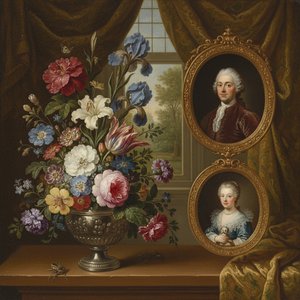
Jan van Kessel the Elder: A Baroque Master of Floral Still Life & Miniature Portraiture
Discover the exquisite detail of Jan van Kessel the Elder's Baroque floral still lifes & captivating miniatures. Explore his artistic legacy, scientific precision, and lasting influence on 17th-century Flemish painting.

伦勃朗25幅杰作:光影大师的艺术传奇与家居臻选
探索伦勃朗25幅杰作,领略荷兰黄金时代光影大师的艺术传奇!从《夜巡》到自画像,深入了解巴洛克艺术、历史绘画与人物肖像背后的故事。TopImpressionists.com提供高清艺术复制品及家居装饰灵感。立即探索完整系列!

生机勃勃:动物意象在艺术与室内设计中的永恒呈现
探索动物意象在艺术史上的永恒魅力!TopImpressionists.com提供高品质油画复制、定制肖像及室内设计咨询。大师作品还原,个性化创作,点亮您的家居生活。专业团队,值得信赖!

Cornelis van Poelenburch: Bridging Mannerism & the Dutch Baroque Landscape
Discover Cornelis van Poelenburch, a pivotal Dutch Baroque landscape painter bridging Mannerism & Italianate styles. Explore his life, key works, and lasting influence on 17th-century art with TopImpressionists.

Jan van Goyen: Master of Dutch Landscape & Atmospheric Perspective
Discover Jan van Goyen, the master of Dutch landscape painting. Explore his subtle technique, atmospheric realism & lasting influence on art history. Learn about this 17th-century pioneer at TopImpressionists.