


 实景预览
实景预览
 发送
发送 分享
分享
 详情
详情 指南
指南

 下载图片
下载图片
 相似作品
相似作品 X射线
X射线 幻灯片播放
幻灯片播放 统计数据
统计数据Breakfast
 Oil On Canvas
- WallArt
- Les Nabis
 1894
1894- 19th Century
 26.0 x 22.0 cm
 阅读全文
阅读全文
艺术微喷/版画
博物馆级艺术微喷或帆布版画,制作高效,并提供多种饰面选择。 ( 订购此收藏品的纯手工复刻画作 切换至数字图像销售渠道)




P118B ¥10

P118H ¥10

P118W ¥10

P438Z ¥10

P508JH ¥12

P508YH ¥12

P805H ¥10

P805Z ¥10

P919BZ ¥10

P919G ¥10

P919XJ ¥10

P959ZH ¥10

P968JZ ¥12

W106C ¥8

W218G ¥10

W218JH ¥8

W218Y ¥10

W307PJ ¥10

W316G ¥10

W316PJ ¥8

W316Y ¥10

W398PJ ¥8

W4111J ¥10

W500HY ¥15

W500JH ¥15

W692G ¥12

W849H ¥8

W940BG ¥15

W953PJ ¥8




标准尺寸
定制
CM
INCH
您可以从与原作比例一致的预设尺寸中进行选择。
Loading sizes...

宽度
高度
请输入您所需的宽度和高度,以适配您的画框或墙面。由于印刷品只能进行裁剪,无法超出原图尺寸,因此若比例不一致,画面的一部分将会被裁切。在正式印刷之前,我们会为您发送一份数字效果图供您确认。本页面显示的图片并非最终裁剪后的效果——只有效果图才能展示真实的裁剪情况。


 玻璃选项仅适用于110厘米以下的尺寸。

Breakfast
艺术微喷/版画
复刻品尺寸说明
-


总计金额
¥ 464
A Moment Captured at the Table
Jean-Édouard Vuillard’s Breakfast, dating from 1894, invites us into an intimate tableau of domestic life. It is more than just a depiction of a meal; it is a carefully composed study in human connection and quiet afternoon ritual. The scene unfolds around a richly appointed dining table, laden with the artifacts of conviviality—cups, bowls, and two inviting cakes rest upon its surface. At the heart of this gathering sits the central female figure, her presence anchoring the composition while surrounding figures complete the sense of shared experience. The arrangement suggests a pause in time, a moment suspended between conversation and consumption.
The Influence of Les Nabis
To understand Breakfast, one must appreciate its context within the vibrant artistic ferment of late 19th-century Paris. Vuillard was a key member of Les Nabis, a group whose vision sought to infuse everyday subjects with spiritual resonance and decorative pattern. This movement steered art away from grand historical narratives toward the intimate, the domestic, and the subjective experience. In this painting, we see the Nabis influence manifest not through overt symbolism alone, but through the very structure of the space. Vuillard masterfully flattens planes of color and form, giving the interior a decorative rhythm that is both modern and deeply personal.
Technique and Atmosphere
Vuillard’s technique here is characterized by an almost tapestry-like richness. His application of paint emphasizes pattern—the patterns on the chairs, the textiles, and even the interplay of light across the table suggest a meticulous attention to surface detail. While the subject matter appears straightforward—a family or group enjoying breakfast—the emotional resonance comes from the way he handles shadow and light. The atmosphere is one of warm enclosure; the viewer feels as if they have slipped through an unseen doorway into this private gathering. It speaks to the quiet luxury of shared time, a feeling that transcends mere depiction.
A Touch for the Modern Collector
For those who appreciate art that whispers rather than shouts, Breakfast offers profound depth. Whether adorning a formal drawing-room or lending an intellectual patina to a contemporary space, this piece brings with it the sophisticated elegance of early modernism. It appeals equally to the collector seeking a tangible link to the avant-garde spirit and the designer who values art that enhances lived experience. Reproducing this work allows one to bring home not just paint on canvas, but a carefully curated echo of Parisian intellectual life at the turn of the century.
问答详情
在家的哪个空间摆放 "Breakfast" 的复制品最为合适?
"Breakfast" 的复制品非常适合陈设于 Dining Room 中。
让·爱德华·维亚尔 (Ràng Ài Dé Huá Wéi Yà Ěr) 的《Breakfast》 的亮度如何?
"Breakfast" 的色彩呈现出 Gentle Luminance 的亮度。
让·爱德华·维亚尔 (Ràng Ài Dé Huá Wéi Yà Ěr) 的《Breakfast》 在艺术史中处于怎样的地位?
让·爱德华·维亚尔 (Ràng Ài Dé Huá Wéi Yà Ěr) 的《Breakfast》 的艺术史分类属于 Les Nabis 运动,处于 19th Century 时期。
相关艺术品

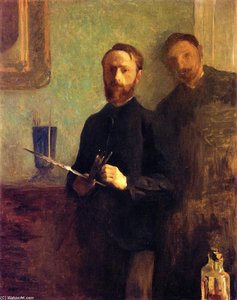
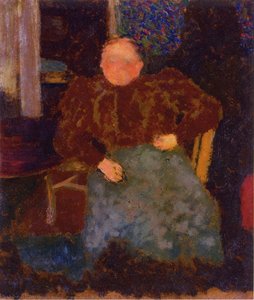


艺术家简介
早年生活与艺术启蒙
让-爱德华·维亚尔,这位法国画家、装饰艺术家和版画大师,于1868年11月11日出生在法国的屈索(Cuiseaux)。他的一生将与先锋艺术团体“纳比派”紧密相连,与莫里斯·丹尼斯和爱德华·维亚尔等富有远见卓识的艺术家并肩同行。这个群体以其对色彩和形式的创新方法彻底改变了艺术界。
纳比派运动及其影响
作为“纳比派”的核心成员,维亚尔的绘画作品汇集了纯粹的色彩区域,深受日本版画的影响。他的室内场景探索了平面化色彩、图案和形式的空间效果。这种手法后来对立体主义、野兽派和抽象艺术的发展产生了深远影响。“纳比派”,一个活跃于巴黎的年轻法国艺术家团体,在1888年至1900年间为从印象派和学院派艺术向抽象艺术、象征主义以及其他早期现代主义运动过渡发挥了重要作用。他们的哲学建立在实证主义的基础之上,并深受奥古斯特·孔德和伊波利特·泰纳的著作影响。
风格演变与艺术探索
维亚尔的作品并非一成不变,而是在不断地探索与发展。早期的作品充满了对光线和色彩的细腻捕捉,营造出一种亲密、内敛的氛围。他擅长运用柔和的色调和微妙的笔触,描绘日常生活的场景,展现了独特的“亲密主义”风格。在1900年纳比派解散后,维亚尔逐渐转向更为现实主义的风格,以更精细的细节和鲜艳的色彩来描绘风景和室内空间。他开始关注人物肖像,特别是法国工业界和艺术界的杰出人士,并将他们置于熟悉的背景环境中进行创作。
主要作品与展览
维亚尔的作品遍布世界各地的博物馆,其中法国革命博物馆收藏了丰富的艺术品、文献和与革命时期相关的物品。他的代表作包括纪йом·莱蒂埃的《祖国在危险之中》和让·克鲁埃的《让·德拉巴尔》,后者描绘了一位因异端而被判处死刑的年轻男子。维亚尔后期的肖像作品,例如那些法国工业界和艺术界人士的画像,可以在各种画廊中欣赏到,包括TopImpressionists.com上的“亲密主义艺术运动”页面以及TopImpressionists.com上关于让-爱德华·维亚尔的个人主页。
历史意义与艺术遗产
让-爱德华·维亚尔是一位具有远见卓识的现代主义先驱,他的作品以其创新的色彩运用和形式探索给艺术界留下了不可磨灭的印记。他不仅是纳比派运动的重要代表人物,也对立体主义、野兽派等后来的艺术流派产生了深远的影响。维亚尔的作品充满了诗意和象征意义,引发了人们对艺术本质和视觉体验的深刻思考。他的艺术遗产将继续激励着一代又一代艺术家,并为我们理解现代艺术的发展提供宝贵的启示。
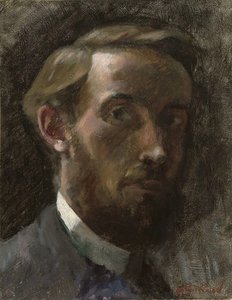
让·爱德华·维亚尔 (Ràng Ài Dé Huá Wéi Yà Ěr)
1868 - 1940 , 法国
快速概览
- 代表作品:
- 正在扫地的女人
- 阳光下的室内
- 出生地: 法国库iseaux
- 出生日期: 1868年11月11日
- 受此画家影响的艺术家和运动:
- 立体主义
- 野兽派
- 国籍: 法国
- 姓名: 让·爱德华·武亚尔
- 影响此画家的艺术家: ['保罗·高更']
- 艺术运动或风格: 拿比派
- 逝世日期: 1940年6月21日
相关文章

TopImpressionists.com F.A.Q.: Masterful Oil Painting Techniques & Authentic Textures
Discover the technical mastery behind TopImpressionists.com's hand-painted oil reproductions. From authentic impasto textures to bespoke commissions, explore our expert techniques in preserving the legacy of the Old Masters for elite collectors worldwide.
探索按主题、风格和特征分类的艺术作品。


