





























从与原作比例一致的预设尺寸中进行选择。

您可以输入自定义尺寸,以适配特定的画框或空间。如果您选择的尺寸与原图比例不符,我们将对作品进行裁剪,或通过镜像填充/纯色填充边缘的方式来扩展图像。在开始制作之前,我们会向您发送一份数字效果图供您确认。
请注意,屏幕上的预览并不能反映实际的裁剪或扩展效果。只有效果图才能准确展示最终的构图。
虽然我们提供定制尺寸,但为了保持原图比例,我们建议您从预设列表中选择尺寸。

Corrida de toros
复制品尺寸
Joan Miró's "Corrida de Toros" (Bullfight) isn’t merely a depiction of a traditional Spanish spectacle; it’s an intensely personal and profoundly evocative exploration of primal instincts, Catalan identity, and the subconscious. Painted in 1967, this vibrant canvas explodes with a chaotic yet strangely harmonious blend of color and form – a visual embodiment of the artist's unique worldview. The dominant yellow background immediately establishes a sense of heightened drama, reminiscent of both the sun-drenched landscapes of Catalonia and the theatricality of the bullring itself. It’s a field primed for explosive action, mirroring the emotional intensity at the heart of the subject.
The central figure, a colossal black lion, dominates the composition with an almost unsettling dynamism. Miró doesn't offer a realistic portrayal; instead, he distorts and exaggerates the animal’s musculature, imbuing it with a palpable sense of movement – as if poised to charge or already in full pursuit. This isn’t a celebration of brute strength but rather a suggestion of the lion’s inherent power and untamed spirit. Scattered around this central drama are smaller, fragmented figures: a solitary, almost mournful face peeks out from the top left corner, while another appears on the right side, seemingly observing the unfolding scene with detached curiosity. These elements contribute to the painting's dreamlike quality, hinting at deeper narratives and psychological states.
To understand “Corrida de Toros,” it’s crucial to delve into the context of Joan Miró’s life and artistic development. Born in Barcelona in 1893, Miró was deeply rooted in Catalan culture – a region renowned for its vibrant traditions, distinctive architecture (particularly the fantastical creations of Antoni Gaudí), and fiercely independent spirit. This regional identity profoundly influenced his work, manifesting itself through recurring motifs like the Catalan peasant, the landscape, and elements of traditional folklore. The painting’s frenetic energy and symbolic language are directly linked to this deep connection to his homeland.
Miró's artistic journey was marked by experimentation and a constant rejection of established conventions. He initially studied business but abandoned it after a nervous breakdown, dedicating himself entirely to art. His early work drew inspiration from Fauvism and Cubism, absorbing the bold colors and fragmented forms of these movements while simultaneously forging his own distinct style. “Corrida de Toros” exemplifies this process – retaining elements of Surrealism (evident in the dreamlike imagery and distorted figures) while firmly establishing Miró’s unique visual language. The influence of Joaquim Miró i Argenter, a Luminist painter known for his evocative depictions of the Mediterranean coast, can also be detected in the painting's use of light and color.
Beyond its immediate visual impact, “Corrida de Toros” is rich with symbolic meaning. The recurring presence of eyes – one at the top center, another in the middle-left, and a third in the lower right – suggests an element of surveillance or judgment, perhaps reflecting the anxieties and uncertainties inherent in the spectacle of the bullfight. The lion itself can be interpreted as representing both power and vulnerability, embodying the dualities of life and death, aggression and instinct. The scattered figures may symbolize the diverse audience members witnessing the event, each with their own perspectives and emotions.
Miró’s deliberate use of abstraction – reducing recognizable forms to their essential elements – invites viewers to engage actively in interpreting the painting's meaning. It’s a work that resists easy categorization, prompting contemplation about themes such as tradition, violence, identity, and the power of the subconscious. The vibrant colors and dynamic composition contribute to an overall sense of heightened emotion, capturing the raw energy and dramatic intensity of the bullfight while simultaneously hinting at its underlying psychological complexities.
TopImpressionists offers meticulously crafted hand-painted reproductions of Joan Miró’s “Corrida de Toros,” allowing you to bring this iconic artwork into your home or office. Our skilled artists carefully replicate the original's vibrant colors, dynamic composition, and symbolic depth, ensuring a faithful representation of Miró’s artistic vision. Available in various sizes and mediums – from fine art canvas to archival prints – our reproductions provide an exceptional opportunity to own a piece of art history. Explore our selection today and experience the captivating power of “Corrida de Toros” firsthand.

1893 - 1983 , 西班牙

探索超现实主义的魅力!本文精选十幅定义艺术史的杰作,带您深入了解达利、马格里特等大师的创作故事与技法。从梦境到色彩,感受超现实主义的独特魅力。TopImpressionists.com 提供高品质画作复制品及家居装饰灵感,尽在其中!

Explore the evolution of Willem de Kooning's iconic Abstract Expressionist paintings. Discover his signature style, key themes & investment potential with expert insights for discerning art collectors.
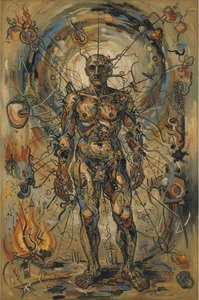
Explore the revolutionary art of André Masson – pioneer of automatism & Surrealist expression. Discover his powerful imagery, innovative techniques, and lasting influence on modern art. Learn more at TopImpressionists.

探索米罗大师25幅经典画作,领略超现实主义的色彩与诗意。深入了解每件作品背后的故事、艺术技巧和文化意义。TopImpressionists.com提供高品质米罗油画复制品,为您的家居增添艺术灵感!立即在线探索完整系列。

Discover the vibrant world of Ágatha Ruiz de la Prada, a leading figure in contemporary Spanish art. Explore her eclectic style, emotional depth & legacy – a must-read for discerning collectors.


第一时间获取最新的艺术新闻、独家优惠及装饰灵感。
向我们介绍您的项目需求,我们的艺术专家将为您提供 3 个个性化的艺术品推荐。
由我们的专家为您精选 3 款心仪之作 —— 完全免费!


 效果预览
效果预览
 切换至手工绘画版
 分享
分享 分享
分享
 详情
详情

 下载
下载
 相似作品
相似作品 X射线
X射线 幻灯片播放
幻灯片播放
 展开详情
展开详情









 玻璃选项仅适用于110厘米以下的尺寸。


