


 实景预览
实景预览
 发送
发送 分享
分享
 详情
详情 指南
指南

 下载图片
下载图片
 相似作品
相似作品 X射线
X射线 幻灯片播放
幻灯片播放 统计数据
统计数据Brighton Beach with Colliers


Experience John Constable’s "Brighton Beach with Colliers," a Romantic masterpiece capturing fleeting light and atmosphere through loose Impressionistic brushstrokes. This Suffolk landscape offers a timeless view of coastal life – discover or own this iconic artwork.
 阅读全文
阅读全文
英国浪漫主义画家康斯塔勃 (1776-1837),以其对萨福克郡乡村的细腻描绘而闻名。《干草车》等作品展现了他对自然真挚的情感和开创性的绘画技巧,深刻影响了后世印象派艺术。
艺术微喷/版画
博物馆级艺术微喷或帆布版画,制作高效,并提供多种饰面选择。 ( 订购此收藏品的纯手工复刻画作 切换至数字图像销售渠道)




P118B $10

P118H $10

P118W $10

P438Z $10

P508JH $12

P508YH $12

P805H $10

P805Z $10

P919BZ $10

P919G $10

P919XJ $10

P959ZH $10

P968JZ $12

W106C $8

W218G $10

W218JH $8

W218Y $10

W307PJ $10

W316G $10

W316PJ $8

W316Y $10

W398PJ $8

W4111J $10

W500HY $15

W500JH $15

W692G $12

W849H $8

W940BG $15

W953PJ $8




标准尺寸
定制
CM
INCH
您可以从与原作比例一致的预设尺寸中进行选择。
Loading sizes...

宽度
高度
您可以输入自定义尺寸,以适配特定的画框或空间。如果您选择的尺寸与原图比例不符,我们将对作品进行裁剪,或通过镜像填充/纯色填充边缘的方式来扩展图像。在开始制作之前,我们会向您发送一份数字效果图供您确认。
请注意,屏幕上的预览并不能反映实际的裁剪或扩展效果。只有效果图才能准确展示最终的构图。
虽然我们提供定制尺寸,但为了保持原图比例,我们建议您从预设列表中选择尺寸。


 玻璃选项仅适用于110厘米以下的尺寸。

Brighton Beach with Colliers
艺术微喷/版画
复刻品尺寸说明
-


总计金额
$ 69
A Coastal Reverie: The Atmospheric Soul of Brighton Beach
In the vast tapestry of British Romanticism, few threads are as vibrant and emotionally resonant as those woven by John Constable. His 1824 masterpiece, Brighton Beach with Colliers, serves as more than a mere depiction of a seaside town; it is a profound window into the rhythmic pulse of the English coast. To gaze upon this work is to step into a world where the boundary between the land and the sea dissolves into a dance of light and shadow. The scene captures the bustling energy of Brighton, yet it does so with a quiet, contemplative intimacy that invites the viewer to linger. Through his masterful command of the medium, Constable transforms a common maritime setting into a poetic meditation on the fleeting beauty of the natural world.
The composition breathes with the movement of 19th-century coastal life. Along the shoreline, various vessels—the colliers, or coal brigs—bob gently upon the water's surface, their silhouettes anchored against a backdrop of rolling hills bathed in a soft, diffused sunlight. There is a palpable sense of harmony in the way Constable arranges these elements; the presence of figures and even a wandering dog near the shore adds a layer of human warmth to the expansive landscape. This careful balance between the industrious activity of the maritime trade and the serene, enduring presence of the hills creates a narrative of coexistence, reflecting a time when the burgeoning industrial era began to intersect with the timeless rhythms of nature.
Technique and the Impressionistic Prelude
What truly distinguishes this work is Constable’s revolutionary approach to texture and light. Long before the Impressionist movement took hold in France, Constable was experimenting with loose, visible brushstrokes that prioritized the sensation of atmosphere over rigid anatomical or architectural precision. In Bright Brighton Beach with Colliers, one can observe these expressive marks as they capture the shimmering reflections on the water and the heavy, moisture-laden air characteristic of the English coast. His technique allows the light to feel alive, as if a sudden breeze might shift the clouds and alter the entire mood of the painting in an instant.
For the discerning collector or interior designer, this piece offers an unparalleled depth of character. The interplay of light and shadow provides a sophisticated focal point that can anchor a room, offering both a sense of tranquility and a spark of visual interest. Whether placed in a sun-drenched gallery or a moody, classically styled study, the painting’s ability to evoke the scent of salt air and the warmth of a summer afternoon makes it a timeless addition to any curated space. It is not merely an object of decoration, but an emotional experience—a piece of history that continues to breathe with the very essence of the landscape it portrays.


艺术家简介
约翰·康斯塔布尔:英国田园画的诗意灵魂
约翰·康斯塔布尔,生于1776年的萨福克郡伊斯特·伯格霍尔特村,并非仅仅是一位风景画家,更是一位土地的诗人。他以无与伦比的情感深度,将微妙的心情和持久的美丽转化为画布上的景象。他的父亲,一位富有的玉米商人,拥有德代姆河谷以及沿斯托河运行的磨坊,不仅提供了经济保障,也为康斯塔布尔的艺术生涯奠定了主题基础。这种早期的沉浸在乡村世界中——缓慢的农业生活节奏、田野和水面上的不断变化的灯光、自然细节的亲密接触——深深地刻在他的感性之中。尽管最初被期望继承父亲的事业,但对艺术日益增长的热情,以及受到像乔治·博蒙特这样的当地赞助人的培养,他向他们展示了克劳德·洛林的作品,最终将他引向了一条不同的道路。康斯塔布尔的艺术之旅并非一蹴而就;它是一个逐渐展开的过程,塑造于细致的观察和持久地捕捉不仅是什么看到,而是身处景观中感觉如何的愿望。打破传统:一种新的自然视角
康斯塔布尔的艺术发展标志着对既定学术惯例的明确拒绝。他对皇家学院所偏爱的理想化且常常戏剧化的风景画不满意,他反而寻求以个人情感注入的自然真实表现。他并不感兴趣于宏大的历史叙事或神话场景;他的重点始终坚定地落在周围熟悉的乡村上。这种致力于描绘普通主题——干草车、农舍、村庄生活——最初受到了评论家的抵制,他们认为他的作品过于平庸且缺乏雄心壮志。然而,康斯塔布尔坚持了下来,怀着一种信念,即美存在于日常生活中。他开创了“原位绘画”的技术,走出户外直接观察和捕捉光线和天气的短暂效果。这种与自然的直接参与使他能够将画布注入前所未见的即时性和活力。他的笔触变得越来越松散和富有表现力,运用厚涂——颜料的厚层——来创造纹理并传达运动感和氛围感。他不仅仅是在记录他所看到的东西;他正在将他对土地的情感反应转化为视觉形式。标志性作品与持久的影响
康斯塔布尔最著名的作品是其独特愿景的见证。《干草车》(1821年),也许是他最广为人知的画作,描绘了斯托河畔典型的田园场景,捕捉了农业生活的宁静和和谐。 《哈德利城堡》(1829年)展示了他对光线和大气效果的戏剧性运用,将一座摇摇欲坠的废墟变成了一种时光流逝的有力象征。《萨里斯伯里大教堂从草地上》(1831年)系列作品展示了他唤起不同情绪和一天中不同时间的能力,揭示了教堂作为自然景观不可分割的一部分。 《内特利修道院》(1824年),以其对人类创造与乡村荒野之美相结合的引人入胜的描绘,体现了他的技能。《干草车》于1821年展出时,是他在皇家学院展出的六幅大型作品之一,这些作品采用了全尺寸的准备油画素描过程。这有助于他协调图案、平衡色彩、光线和阴影,同时保留了他较小绘画中的新鲜感。尽管在英格兰最初面临斗争以获得认可,康斯塔布尔在法国获得了相当大的赞誉,他的创新技术和情感深度与寻求对自然采取更现实主义方式的艺术家产生了共鸣。他深刻地影响了巴比松画派,这是一个分享他对原位绘画和直接观察自然的承诺的法国画家群体。情感共鸣的遗产
约翰·康斯塔布尔的历史意义不仅在于他的艺术创新,还在于他对风景画发展产生的深远影响。他挑战了学术惯例,提升了普通主题的地位,并为一种更个人化和富有表现力的艺术方法铺平了道路。他对直接观察、大气效果和自然真实表达的强调预示了后来印象派画家所关注的许多问题。 他证明了风景可以成为深刻情感表达的载体,能够唤起怀旧、宁静和敬畏之情。 尽管他一生中大部分时间面临经济困难,并且于1837年相对年轻地去世,但他的遗产依然存在。 今天,康斯塔布尔被誉为英国最伟大的艺术家之一,他的画作继续以其美丽、真诚和持久的力量吸引着观众。 他的作品是对人类与自然世界之间深刻联系的有力提醒,以及艺术捕捉其本质的变革潜力。个人生活与最后岁月
康斯塔布尔的个人生活既有欢乐也有悲伤。他于1816年娶了玛丽亚·比克内尔,他们育有七个孩子,但令人遗憾的是其中几个没有活过婴儿期。 婚姻为他提供了情感支持,但也带来了经济压力。 1829年当选为皇家艺术院士后,他仍然面临着一些方面的批评,特别是关于他的非常规技术。 在妻子健康状况恶化并于1828年去世的阴影下,他的后期岁月受到了影响,这是一个深深地打动了他的事件。 尽管面临这些困难,康斯塔布尔仍然致力于自己的艺术,直到他在1837年3月31日去世时继续绘画。 他留下了丰富的艺术遗产——对捕捉英国乡村之美和情感共鸣的不懈承诺的证明。 他的画作仍然是令人难忘的时代的回忆,邀请观众通过他独特的敏感眼睛体验景观。
康斯塔勃尔
1776 - 1837 , 英国
快速概览
- 全名: 约翰·康斯塔布尔
- 出生地点: 英国萨福克郡伊斯特贝格霍尔特
- 出生日期: 1776年6月11日
- 去世日期: 1837年3月31日
- 受影响的艺术家或运动: ['巴比松画派']
- 国籍: 英国
- 影响艺术家: ['克劳德·洛林']
- 艺术流派或风格: 浪漫主义
- 著名作品:
- 《干草车》
- 《哈德利城堡》
- 《索尔兹伯里大教堂》
- 《内特利修道院》
相关文章

Beyond the Light: Capturing Raw Emotion and Subjective Vision in Post-Impressionist Landscapes
Explore the profound emotional depth of Post-Impressionist landscapes. Discover how masters like Van Gogh moved beyond light to capture raw human feeling through vibrant color and expressive texture in this expert art history retrospective.

Capturing the Soul: The Emotional Majesty and Sublime Power of Romantic Landscape Painting
Explore the profound emotional depth of Romantic landscape painting. Discover how masters like Turner and Friedrich captured the sublime power of nature through intuition and imagination in this expert art history retrospective.

The Beauty of Impermanence: Capturing Decay through Impressionist Eyes
Explore the profound beauty of impermanence through Impressionist and Post-Impressionist eyes. Discover how masters like Monet and Van Gogh captured fleeting light and the poetic essence of nature's transitions in our deep dive into art history and emotional landscapes.
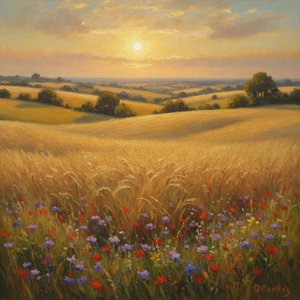
Golden Fields & Sun-Drenched Meadows: Capturing the Soul of Impressionist Landscapes
Immerse yourself in the luminous world of Impressionist landscapes. Discover how masters like Monet and Gauguin captured ephemeral light through plein air painting, and learn to bring the soul of sun-drenched meadows into your home with exquisite, hand-painted oil reproductions.

Capturing the Soul: The Most Emotionally Moving Impressionist and Post-Impressionist Masterpieces
Discover the profound emotional depth of Impressionist and Post-Impressionist masterpieces. Explore how legends like Monet, Van Gogh, and Gauguin captured light and soul through evocative landscapes and vibrant brushwork for a timeless connection to art history.
探索按主题、风格和特征分类的艺术作品。


