


 实景预览
实景预览
 发送
发送 分享
分享
 详情
详情 指南
指南

 下载图片
下载图片
 相似作品
相似作品 X射线
X射线 幻灯片播放
幻灯片播放 统计数据
统计数据Emerald Pool
 Impressionism
 1895
1895 63.0 x 63.0 cm
Discover John Henry Twachtman’s ‘Emerald Pool,’ a stunning Impressionist landscape capturing Yellowstone’s beauty. Explore this 1895 oil painting's serene details & artistic vision. #Impressionism #Art
 阅读全文
阅读全文
约翰·亨利·特瓦奇曼 (1853-1902):探索这位美国印象派和调性画派的关键人物的作品,如《阿尔克斯-拉-巴泰耶》。他以捕捉氛围、光线和对风景的诗意描绘而闻名,对早期20世纪艺术产生了深远影响。
艺术微喷/版画
博物馆级艺术微喷或帆布版画,制作高效,并提供多种饰面选择。 ( 订购此收藏品的纯手工复刻画作 切换至数字图像销售渠道)




P118B ¥10

P118H ¥10

P118W ¥10

P438Z ¥10

P508JH ¥12

P508YH ¥12

P805H ¥10

P805Z ¥10

P919BZ ¥10

P919G ¥10

P919XJ ¥10

P959ZH ¥10

P968JZ ¥12

W106C ¥8

W218G ¥10

W218JH ¥8

W218Y ¥10

W307PJ ¥10

W316G ¥10

W316PJ ¥8

W316Y ¥10

W398PJ ¥8

W4111J ¥10

W500HY ¥15

W500JH ¥15

W692G ¥12

W849H ¥8

W940BG ¥15

W953PJ ¥8




标准尺寸
定制
CM
INCH
您可以从与原作比例一致的预设尺寸中进行选择。
Loading sizes...

宽度
高度
您可以输入自定义尺寸,以适配特定的画框或空间。如果您选择的尺寸与原图比例不符,我们将对作品进行裁剪,或通过镜像填充/纯色填充边缘的方式来扩展图像。在开始制作之前,我们会向您发送一份数字效果图供您确认。
请注意,屏幕上的预览并不能反映实际的裁剪或扩展效果。只有效果图才能准确展示最终的构图。
虽然我们提供定制尺寸,但为了保持原图比例,我们建议您从预设列表中选择尺寸。


 玻璃选项仅适用于110厘米以下的尺寸。

Emerald Pool
艺术微喷/版画
复刻品尺寸说明
-


总计金额
¥ 464
A Glimpse of Serenity: Exploring Twachtman’s *Emerald Pool*
John Henry Twachtman's *Emerald Pool*, painted in 1895, is a captivating example of American Impressionism at its finest. Measuring 63 x 63 cm, this oil on canvas transports viewers to a tranquil landscape – likely inspired by Yellowstone National Park – where the boundary between reality and atmospheric suggestion beautifully blurs. The scene depicts a serene body of water, reflecting the snow-capped mountains in the distance, framed by delicate trees and brush. It’s not merely a depiction *of* nature, but an evocation *of* its feeling—a quietude that resonates deeply with the soul.Impressionistic Technique & Tonalist Influences
Twachtman masterfully employs loose, visible brushstrokes and a vibrant yet harmonious color palette to capture the fleeting effects of light and atmosphere. This is quintessential Impressionism – prioritizing sensory experience over precise representation. However, *Emerald Pool* also reveals strong influences from Tonalism, an American artistic movement emphasizing mood and subtle harmonies. Notice how Twachtman utilizes muted tones and soft gradations to create a sense of depth and mystery. The painting isn’t about sharp details; it's about the overall impression – the shimmer on the water, the cool air emanating from the mountains, the peaceful stillness of the scene. This delicate balance between Impressionistic vibrancy and Tonalist subtlety is what makes Twachtman’s work so unique.Historical Context & Artistic Legacy
Painted during a period of significant artistic change in America, *Emerald Pool* reflects a growing desire to forge an independent national identity in art. Twachtman, having studied extensively in both Europe and the United States, brought a sophisticated understanding of contemporary styles back home. He became a key figure in the Cos Cob Art Colony in Connecticut – one of the earliest Impressionist communities in America. His work helped pave the way for future generations of American landscape painters, influencing artists who sought to capture the beauty and spirit of the American wilderness. Other notable works by Twachtman, such as *Edge of the Emerald Pool, Yellowstone* and *The Rapids, Yellowstone*, further demonstrate his fascination with capturing the majesty of natural landscapes.Symbolism & Emotional Resonance
Beyond its aesthetic beauty, *Emerald Pool* invites contemplation on themes of tranquility, reflection, and the sublime power of nature. The pool itself can be seen as a symbol of introspection – a mirror reflecting not only the surrounding landscape but also our own inner world. The distant mountains represent enduring strength and timelessness, while the delicate trees suggest vulnerability and resilience. Ultimately, the painting’s emotional impact is one of peaceful contemplation. It offers a respite from the chaos of modern life, inviting viewers to immerse themselves in the serenity of the natural world and reconnect with their own sense of inner peace. It's a piece that would lend itself beautifully to a variety of interior spaces – bringing a touch of calm sophistication to any room.问答详情
创作《Emerald Pool》时,约翰·亨利·特瓦奇曼 的年龄是多少?
约翰·亨利·特瓦奇曼 在 42 岁时创作了《Emerald Pool》。艺术家出生于 1853,该作品创作于 1895 年。
约翰·亨利·特瓦奇曼 的《Emerald Pool》 的色彩构图是如何构建的?
约翰·亨利·特瓦奇曼 的《Emerald Pool》 的色彩分析记录了一种 Statement 的对比与 Discordant Palette 的和谐。
"Emerald Pool" 的作者和创作年份是?
"Emerald Pool" 的作者是 约翰·亨利·特瓦奇曼,创作于 1895 年。
约翰·亨利·特瓦奇曼 的《Emerald Pool》 的创作日期是哪一年?
"Emerald Pool"创作于1895年。这一日期将该作品置于约翰·亨利·特瓦奇曼的艺术生涯及其所处时代之中。
“Emerald Pool”被归于哪位艺术家名下?
《Emerald Pool》被归为约翰·亨利·特瓦奇曼的作品。
在约翰·亨利·特瓦奇曼的创作生涯中,"Emerald Pool"处于怎样的地位?
"Emerald Pool" 属于 约翰·亨利·特瓦奇曼 的 Impressionism 时期作品,其记录的主题包括 impressionist light & color, landscape aesthetics", nature's tranquility, american wilderness", natural beauty, early 20th-century views, "twacht。
"Emerald Pool" 的主题与 约翰·亨利·特瓦奇曼 常有的创作主题有何关联?
"Emerald Pool" 描绘了 landscape, yellowstone, mountains, water, snowscape, impressionism, nature, reflection,而 约翰·亨利·特瓦奇曼 记录在案的主题则是 impressionist light & color, landscape aesthetics", nature's tranquility, american wilderness", natural beauty, early 20th-century views, "twacht。通过两者的对比,可以看出此作与艺术家惯用题材之间的关联。
相关艺术品


艺术家简介
约翰·亨利·特瓦奇曼:美国印象派的先驱
约翰·亨利·特瓦奇曼,1853年8月4日出生于俄亥俄州辛辛那提市,是美国印象派运动中一位举足轻重的画家。他的艺术生涯从学院派训练起步,逐渐发展出一种独特的个人风格,不仅反映了他自身的艺术演变,也体现了19世纪末至20世纪初美国艺术世界的深刻变革。特瓦奇曼的故事充满了对探索的渴望,他执着地追求通过色彩和光线捕捉氛围和情感,最终在风景画领域留下了不可磨灭的印记。他的早期艺术基础来自于家乡画家弗兰克·杜文内克的指导,这段经历培养了他对直接观察的重视以及对过度理想化表现形式的摒弃,为他日后拥抱更具前瞻性的绘画技巧奠定了坚实的基础。欧洲的影响与调性主义的接受
怀着提升技能和拓展艺术视野的雄心,特瓦奇曼踏上了在欧洲的学习之旅,这段经历对他产生了深远的影响。从1875年到1877年,他在慕尼黑美术学院学习,吸收了当时流行的松散笔触和阴影技法。随后,他与威廉·梅里特·切斯一同前往威尼斯,进一步激发了他对捕捉光线细微变化的热情。这些欧洲经历对于塑造他的艺术视野至关重要,但特瓦奇曼从未简单地复制他在国外所见所闻;相反,他将这些影响融会贯通,创造出一种独具特色的风格。1883年至1885年间,他在巴黎朱利安学院学习,这是一个转折点,他的风格开始向一种更加柔和、更富氛围感的方向发展——这一转变将定义他独特的审美特征。正是在这段巴黎时期,他充分接受了调性主义,其特点是色彩的沉闷、色调的微妙渐变以及对营造情绪和氛围的强调。例如,《阿尔克斯-拉-巴泰耶》这幅作品现藏于大都会艺术博物馆,完美地展现了他这一时期的绘画风格,体现了他对和谐音调和富有感染力的风景如数家珍般的掌握能力。科斯考布殖民地与个人印象派风格
重返美国后,特瓦奇曼定居在康涅狄格州,在格林威治购买了一座农场,这座农场将成为他的家和艺术圣地。他在新兴的科斯考布艺术殖民地中活跃的身影至关重要,他促进了一个充满活力的创作社区,在这里思想自由交流,实验受到鼓励。他不仅仅是一位驻留艺术家;更是一位催化剂,用他创新的技巧和对绘画的哲学方法激励着他的朋友和学生。这段时期见证了特瓦奇曼超越了严格的调性主义,转向了一种高度个性化的印象派风格。虽然保留了对氛围和光线的重视,但他后期的作品展现出更鲜明的色彩运用和更具动感的笔触。他经常描绘农场和花园里的雪景,将熟悉的场景转化为对自然之美的诗意冥想。他在马萨诸塞州格洛斯特的一系列充满活力的画作预示着美国艺术中一种更加现代主义的倾向,为随后的抽象探索奠定了基础。遗产与持久影响
约翰·亨利·特瓦奇曼于1902年不幸去世,年仅四十九岁,英年早逝,但他的影响力却在后世代代美国艺术家中延续了下来。他留下了大量作品,这些作品以其诗意的感性、精湛的技艺和对风景画创新的方法而备受赞誉。他的绘画不仅仅是对景物的再现;更是对情绪、氛围以及人类与自然之间情感联系的表达。特瓦奇曼的贡献超越了他个人的画布;他在确立美国印象派作为一个独特艺术运动方面发挥了至关重要的作用。他是“十人画会”的创始成员之一,这个团体旨在摆脱传统艺术机构的束缚,开辟属于自己的道路。《风景3》,以其对氛围透视和微妙色彩和谐的描绘,完美地体现了他调性主义时期的风格,而《倒影》则展现了他捕捉转瞬光影的能力。他的遗产通过诸如《树林中的小溪》等作品进一步巩固,这幅迷人的粉彩画作展示了特瓦奇曼对宁静和自然之美的表达能力。 特瓦奇曼的创新精神至今仍在激励着艺术家们,巩固了他作为美国印象派先驱和调性风景画大师的地位。Notable Works
- Landscape 3 (c. 1894-1902): 一幅典型的特瓦奇曼调性主义时期的作品,展示了他对大气透视和微妙色彩和谐的掌握能力。
- Arques-la-Bataille (1885): 这幅作品创作于他在巴黎期间,体现了法国印象派对他风格的影响。
- Reflections (c. 1902): 一幅宁静的码头场景描绘,捕捉了水面上光影的游戏。
- Brook among the Trees (1891): 一幅迷人的粉彩画作,展示了特瓦奇曼表达宁静和自然之美的能力。
- The Holland Dyke (c. 1886-1890): 展示了他捕捉大气效果和微妙色调变化的能力。

约翰·亨利·特瓦奇曼
1853 - 1902 , 美国
快速概览
- Artistic Movement Or Style: 印象派、调色主义
- Artists Or Movements Influenced By This Artist:
- 美国印象派
- 现代主义风格
- Artists Who Influenced This Artist:
- 弗兰克·杜文内克
- 威廉·梅里特·切斯
- Date Of Birth: 1853年8月4日
- Date Of Death: 1902年8月8日
- Full Name: 约翰·亨利·特瓦奇曼
- Nationality: 美国国籍
- Notable Artworks (List Of Titles):
- 风景3号
- 阿尔克斯-拉巴泰耶
- 春日
- 荷兰堤坝
- Place Of Birth (City And Country): 美国俄亥俄州辛辛那提市
相关文章
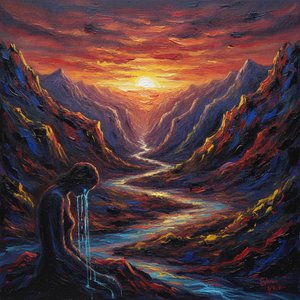
Capturing Emotion: A Journey Through the Soul of Expressionist Landscapes
Explore the profound emotional depth of Expressionist landscapes. Discover how Post-Impressionist masters moved beyond light to capture the soul through vibrant color and form. A curated journey for true art lovers seeking the beauty of expressive mastery.


