

 实景预览
实景预览
 分享
分享 分享
分享
 详情
详情 指南
指南

 下载作品
下载作品
 相似作品
相似作品 X射线
X射线 幻灯片播放
幻灯片播放 问答
问答 统计数据
统计数据Landscape


 展开全文
展开全文
艺术微喷/版画
博物馆级艺术微喷或帆布版画,制作高效,并提供多种饰面选择。 ( 订购纯手工绘制画作 切换至数字图像销售渠道)




P118B ¥10

P118H ¥10

P118W ¥10

P438Z ¥10

P508JH ¥12

P508YH ¥12

P805H ¥10

P805Z ¥10

P919BZ ¥10

P919G ¥10

P919XJ ¥10

P959ZH ¥10

P968JZ ¥12

W106C ¥8

W218G ¥10

W218JH ¥8

W218Y ¥10

W307PJ ¥10

W316G ¥10

W316PJ ¥8

W316Y ¥10

W398PJ ¥8

W4111J ¥10

W500HY ¥15

W500JH ¥15

W692G ¥12

W849H ¥8

W940BG ¥15

W953PJ ¥8




标准尺寸
定制
CM
INCH
您可以从与原作比例一致的预设尺寸中进行选择。
Loading sizes...

宽度
高度
请输入您所需的宽度和高度,以适配您的画框或墙面。由于印刷品只能进行裁剪,无法超出原图尺寸,因此若比例不一致,画面的一部分将会被裁切。在正式印刷之前,我们会为您发送一份数字效果图供您确认。本页面显示的图片并非最终裁剪后的效果——只有效果图才能展示真实的裁剪情况。


 玻璃选项仅适用于110厘米以下的尺寸。

Landscape
艺术微喷/版画
复刻品尺寸
-


最终结算价
¥ 470
A Symphony of Light and Earth: Rediscovering Twachtman’s Landscape
In the quiet corners of American art history, few works capture the ephemeral breath of nature as poignantly as John Henry Twachtman’s 1887 Landscape. This evocative oil painting serves as a window into a pivotal era when the rigid structures of academic realism began to dissolve, giving way to the luminous, atmospheric possibilities of American Impressionism. At first glance, the viewer is greeted by a rural sanctuary—a weathered cottage nestled deeply within a cradle of dense foliage and rolling hills. Yet, to look closer is to enter a world where form is secondary to feeling. The composition does not demand your attention through sharp lines or dramatic focal points; instead, it invites you into a soft, overcast dreamscape where the boundaries between the earth and the sky seem to blur under a heavy, contemplative mist.
The subject matter, while seemingly humble, carries a profound sense of tranquility and a whisper of melancholy. The small dwelling, tucked away amongst the undulating terrain, evokes themes of solitude and the enduring relationship between humanity and the natural world. There is no grand spectacle here, only the quiet dignity of a rural life existing in harmony with the seasons. For the collector or interior designer, this piece offers more than mere decoration; it provides an emotional anchor, a sense of peace that can transform a modern living space into a sanctuary of reflection.
The Mastery of Texture and Tonalism
Twachtman’s technical prowess is most evident in his masterful use of the wet-on-wet technique. By applying pigment to a still-moist canvas, he achieved a seamless fluidity that allows colors to bleed into one another, mimicking the way light diffuses through a humid, cloudy atmosphere. This method creates subtle gradations of tone that are essential to the painting's depth. The artist utilizes a thick impasto application, particularly within the foliage and the textured walls of the cottage, which lends a tactile, three-dimensional quality to the work. When light hits a high-quality reproduction of this piece, these raised textures catch the eye, creating a dynamic interplay of shadow and highlight that breathes life into the canvas.
The color palette is intentionally muted, leaning into the traditions of Tonalism—a style characterized by its use of neutral, atmospheric hues such as soft grays, deep blues, and earthy browns. This restrained approach prevents any single element from overpowering the scene, ensuring that the overall mood remains cohesive and immersive. The organic, flowing lines of the hills and trees guide the eye in a rhythmic dance across the canvas, suggesting a world in constant, gentle motion. It is this delicate balance of heavy texture and soft color that makes the work so captivating for those who appreciate the nuanced complexities of Post-Impressionist influence.
An Enduring Legacy for the Discerning Collector
Owning a piece inspired by Twachtman is an engagement with the very roots of American modernism. As a member of the influential "The Ten," Twachtman pushed the boundaries of what landscape painting could achieve, moving away from literal representation toward an expressive, personal vision. This 1887 masterpiece stands as a testament to that rebellion—a rejection of the idealized in favor of the authentic and the atmospheric. For those seeking to curate a collection that speaks to sophistication and historical depth, this landscape offers an unparalleled opportunity.
Whether placed in a sunlit gallery or a moody, contemporary study, the painting’s ability to evoke a sense of timelessness is unmatched. It does not merely depict a scene; it captures a mood, a moment of stillness in an ever-changing world. For the interior designer, it serves as a sophisticated centerpiece that complements both classical and minimalist aesthetics, bringing with it a storied past and a profound, quiet beauty that continues to resonate more than a century after its creation.
常见问题与解答
约翰·亨利·特瓦奇曼 的《Landscape》 的视觉明亮度如何?
约翰·亨利·特瓦奇曼 的《Landscape》 的视觉亮度为 shadow,能够与目标空间的灯光完美融合。
建议将"Landscape"用于何处及何种用途?
约翰·亨利·特瓦奇曼 的《Landscape》 推荐用于 Mood,理想的摆放空间为 Wellness Center。结合使用场景与空间布局,可以更好地确定复制品的陈列位置。
“Landscape”这一Impressionism背后蕴含着怎样的国族渊源?
通过创作者的出生地,《Landscape》将Impressionism运动与美国紧密联系在了一起。


艺术家简介
约翰·亨利·特瓦奇曼:美国印象派的先驱
约翰·亨利·特瓦奇曼,1853年8月4日出生于俄亥俄州辛辛那提市,是美国印象派运动中一位举足轻重的画家。他的艺术生涯从学院派训练起步,逐渐发展出一种独特的个人风格,不仅反映了他自身的艺术演变,也体现了19世纪末至20世纪初美国艺术世界的深刻变革。特瓦奇曼的故事充满了对探索的渴望,他执着地追求通过色彩和光线捕捉氛围和情感,最终在风景画领域留下了不可磨灭的印记。他的早期艺术基础来自于家乡画家弗兰克·杜文内克的指导,这段经历培养了他对直接观察的重视以及对过度理想化表现形式的摒弃,为他日后拥抱更具前瞻性的绘画技巧奠定了坚实的基础。欧洲的影响与调性主义的接受
怀着提升技能和拓展艺术视野的雄心,特瓦奇曼踏上了在欧洲的学习之旅,这段经历对他产生了深远的影响。从1875年到1877年,他在慕尼黑美术学院学习,吸收了当时流行的松散笔触和阴影技法。随后,他与威廉·梅里特·切斯一同前往威尼斯,进一步激发了他对捕捉光线细微变化的热情。这些欧洲经历对于塑造他的艺术视野至关重要,但特瓦奇曼从未简单地复制他在国外所见所闻;相反,他将这些影响融会贯通,创造出一种独具特色的风格。1883年至1885年间,他在巴黎朱利安学院学习,这是一个转折点,他的风格开始向一种更加柔和、更富氛围感的方向发展——这一转变将定义他独特的审美特征。正是在这段巴黎时期,他充分接受了调性主义,其特点是色彩的沉闷、色调的微妙渐变以及对营造情绪和氛围的强调。例如,《阿尔克斯-拉-巴泰耶》这幅作品现藏于大都会艺术博物馆,完美地展现了他这一时期的绘画风格,体现了他对和谐音调和富有感染力的风景如数家珍般的掌握能力。科斯考布殖民地与个人印象派风格
重返美国后,特瓦奇曼定居在康涅狄格州,在格林威治购买了一座农场,这座农场将成为他的家和艺术圣地。他在新兴的科斯考布艺术殖民地中活跃的身影至关重要,他促进了一个充满活力的创作社区,在这里思想自由交流,实验受到鼓励。他不仅仅是一位驻留艺术家;更是一位催化剂,用他创新的技巧和对绘画的哲学方法激励着他的朋友和学生。这段时期见证了特瓦奇曼超越了严格的调性主义,转向了一种高度个性化的印象派风格。虽然保留了对氛围和光线的重视,但他后期的作品展现出更鲜明的色彩运用和更具动感的笔触。他经常描绘农场和花园里的雪景,将熟悉的场景转化为对自然之美的诗意冥想。他在马萨诸塞州格洛斯特的一系列充满活力的画作预示着美国艺术中一种更加现代主义的倾向,为随后的抽象探索奠定了基础。遗产与持久影响
约翰·亨利·特瓦奇曼于1902年不幸去世,年仅四十九岁,英年早逝,但他的影响力却在后世代代美国艺术家中延续了下来。他留下了大量作品,这些作品以其诗意的感性、精湛的技艺和对风景画创新的方法而备受赞誉。他的绘画不仅仅是对景物的再现;更是对情绪、氛围以及人类与自然之间情感联系的表达。特瓦奇曼的贡献超越了他个人的画布;他在确立美国印象派作为一个独特艺术运动方面发挥了至关重要的作用。他是“十人画会”的创始成员之一,这个团体旨在摆脱传统艺术机构的束缚,开辟属于自己的道路。《风景3》,以其对氛围透视和微妙色彩和谐的描绘,完美地体现了他调性主义时期的风格,而《倒影》则展现了他捕捉转瞬光影的能力。他的遗产通过诸如《树林中的小溪》等作品进一步巩固,这幅迷人的粉彩画作展示了特瓦奇曼对宁静和自然之美的表达能力。 特瓦奇曼的创新精神至今仍在激励着艺术家们,巩固了他作为美国印象派先驱和调性风景画大师的地位。Notable Works
- Landscape 3 (c. 1894-1902): 一幅典型的特瓦奇曼调性主义时期的作品,展示了他对大气透视和微妙色彩和谐的掌握能力。
- Arques-la-Bataille (1885): 这幅作品创作于他在巴黎期间,体现了法国印象派对他风格的影响。
- Reflections (c. 1902): 一幅宁静的码头场景描绘,捕捉了水面上光影的游戏。
- Brook among the Trees (1891): 一幅迷人的粉彩画作,展示了特瓦奇曼表达宁静和自然之美的能力。
- The Holland Dyke (c. 1886-1890): 展示了他捕捉大气效果和微妙色调变化的能力。

约翰·亨利·特瓦奇曼
1853 - 1902 , 美国
艺术家简介
- Artistic Movement Or Style: 印象派、调色主义
- Artists Or Movements Influenced By This Artist:
- 美国印象派
- 现代主义风格
- Artists Who Influenced This Artist:
- 弗兰克·杜文内克
- 威廉·梅里特·切斯
- Date Of Birth: 1853年8月4日
- Date Of Death: 1902年8月8日
- Full Name: 约翰·亨利·特瓦奇曼
- Nationality: 美国国籍
- Notable Artworks (List Of Titles):
- 风景3号
- 阿尔克斯-拉巴泰耶
- 春日
- 荷兰堤坝
- Place Of Birth (City And Country): 美国俄亥俄州辛辛那提市
相关文章

Capturing the Soul: The Most Emotionally Moving Impressionist and Post-Impressionist Masterpieces
Discover the profound emotional depth of Impressionist and Post-Impressionist masterpieces. Explore how legends like Monet, Van Gogh, and Gauguin captured light and soul through evocative landscapes and vibrant brushwork for a timeless connection to art history.
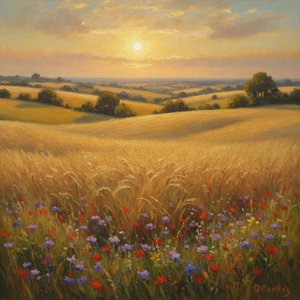
Golden Fields & Sun-Drenched Meadows: Capturing the Soul of Impressionist Landscapes
Immerse yourself in the luminous world of Impressionist landscapes. Discover how masters like Monet and Gauguin captured ephemeral light through plein air painting, and learn to bring the soul of sun-drenched meadows into your home with exquisite, hand-painted oil reproductions.


