


 实景预览
实景预览
 分享
分享 分享
分享
 详情
详情 指南
指南

 下载作品
下载作品
 相似作品
相似作品 X射线
X射线 幻灯片播放
幻灯片播放 Q&A
Q&A 统计数据
统计数据Hollyhocks


 展开全文
展开全文
艺术微喷/版画
博物馆级艺术微喷或帆布版画,制作高效,并提供多种饰面选择。 ( 订购纯手工绘制画作 切换至数字图像销售渠道)




































标准尺寸
定制
CM
INCH
您可以从与原作比例一致的预设尺寸中进行选择。
Loading sizes...

宽度
高度
请输入您所需的宽度和高度,以适配您的画框或墙面。由于印刷品只能进行裁剪,无法超出原图尺寸,因此若比例不一致,画面的一部分将会被裁切。在正式印刷之前,我们会为您发送一份数字效果图供您确认。本页面显示的图片并非最终裁剪后的效果——只有效果图才能展示真实的裁剪情况。


 玻璃选项仅适用于110厘米以下的尺寸。

Hollyhocks
艺术微喷/版画
复刻品尺寸
-


最终结算价
¥ 463
A Delicate Study in Color: John La Farge's "Hollyhocks"
John La Farge’s “Hollyhocks,” painted in 1885, offers a captivating glimpse into the artist’s mastery of watercolor and his fascination with capturing the ephemeral beauty of nature. This intimate study showcases vibrant red and pink hollyhock flowers blooming on a verdant branch, rendered with remarkable sensitivity to light and color. More than just a botanical illustration, it's a testament to La Farge's ability to infuse everyday subjects with artistic depth and emotion.
Style & Technique: A Synthesis of Impressionism and Japonisme
La Farge was a pivotal figure in American art, bridging the gap between traditional academic painting and emerging modern styles. "Hollyhocks" exemplifies this synthesis. While rooted in observation – characteristic of Realism – the loose brushwork and emphasis on color harmonies reflect an influence from Impressionism. However, the composition’s flattened perspective and decorative quality also reveal a strong connection to Japonisme, the Western fascination with Japanese art that swept through Europe and America during this period. La Farge was deeply influenced by Japanese woodblock prints, particularly their use of bold outlines, simplified forms, and expressive color palettes. The watercolor medium itself allowed for a fluidity and transparency that further enhanced the painting’s delicate aesthetic.
Historical Context: American Art in the Late 19th Century
Painted during the Gilded Age, "Hollyhocks" reflects a broader shift in American artistic priorities. As industrialization transformed society, there was a growing appreciation for scenes of natural beauty and tranquility. La Farge’s focus on domestic flora aligns with this trend, offering a respite from the rapid changes occurring around him. Furthermore, La Farge's experimentation with watercolor and his embrace of non-traditional subject matter positioned him as a forward-thinking artist challenging conventional artistic norms. He was part of a generation that sought to define a distinctly American aesthetic, moving away from European dominance.
Symbolism & Emotional Impact
While seemingly simple in its subject matter, "Hollyhocks" carries subtle symbolic weight. Hollyhocks themselves often represent abundance, prosperity, and encouragement. La Farge’s careful arrangement of the flowers – three prominent blooms with a smaller one at the top – creates a sense of visual harmony and balance. The vibrant colors evoke feelings of warmth, joy, and vitality. The painting's overall effect is one of quiet contemplation and appreciation for the simple pleasures of nature. It invites viewers to pause and savor the fleeting beauty of a summer garden.
The Artist: John La Farge – A Renaissance Figure
John La Farge (1835-1910) was an extraordinarily versatile artist, renowned not only for his painting but also for his groundbreaking work in stained glass and mural design. Born into a wealthy French-American family in New York City, he received a broad education that fostered his intellectual curiosity and artistic experimentation. His studio in Rhode Island, known as "The Sacred Grove," became a haven for creativity and innovation. La Farge's legacy extends beyond individual artworks; he fundamentally shaped the course of American art by championing new techniques and embracing diverse cultural influences.
常见问题与解答
"Hollyhocks" 的色彩饱和度如何?
拉法基 的《Hollyhocks》 的色彩饱和度为 Subtle Color。
根据创作日期判断,"Hollyhocks" (1885) 属于 拉法基 艺术生涯的哪个阶段?
鉴于其创作于1885年,作品《Hollyhocks》属于拉法基的Mature Period时期。
下单前可以预览 拉法基 的《Hollyhocks》 吗?
若要预览 拉法基 的《Hollyhocks》 复制品的详情,请打开该作品的 效果预览 页面。
相似作品


艺术家简介
约翰·拉法基:美国艺术光辉的先驱
约翰·拉法基,1835年出生于纽约市一个富裕的法国家庭,是十九世纪末和二十世纪初美国艺术发展中的关键人物。他的人生是一段不断探索与创新的旅程,涵盖绘画、壁画设计、彩色玻璃艺术、室内装饰以及他对旅行见解深刻的书写——特别是前往亚洲的旅行。拉法基在双语环境中长大,这种跨文化背景深深地塑造了他的艺术视野。最初他学习法律,但很快便转向艺术领域,先在Mount St. Mary's University学习,然后进入St. John's College(现福坦汉姆大学)。随后,他在巴黎跟随托马斯·库图尔学习,在那里吸收了欧洲的艺术传统,同时发展出独特的美国审美。这种早期接触到西方大师和自身不断涌现的原创性为他职业生涯奠定了基础,他的职业生涯以开创性的技术和鲜明的风格而著称。跨学科领域的先锋创新
拉法基的艺术创作极其多样化,但始终以对色彩和光线的强烈关注为特征。他最初因其插图和风景画而获得认可,但在壁画领域他才真正产生了重大影响。为波士顿三一教堂(1873年)和纽约升天教会等教堂完成的委托作品展示了他创造出明亮、精神感人的空间的能力。然而,拉法基最持久的遗产在于他对彩色玻璃革命性的工作。对当时传统的工艺方法不满,他开创了一种涉及将多层彩色玻璃叠加的技术——这项技术于1880年获得专利。这一创新使他能够达到前所未有的色彩丰富度和深度,将彩色玻璃从单纯的装饰元素转变为一种强大的艺术表现媒介。他的彩色玻璃窗不仅仅是图像的再现;它们是光线和色调的沉浸式体验。除了这些核心学科之外,拉法基还在室内设计方面表现出色,创造出和谐的环境,将他的绘画、壁画和装饰艺术融为一体。东方影响与新形式的探索
拉法基艺术发展的一个决定性方面是他对日本艺术和文化的着迷。他从1880年代开始前往亚洲旅行,深刻地影响了他的审美 sensibilities. 他仔细记录了自己的观察结果,并将日本设计的元素——如不对称、扁平透视以及精致的色彩感——融入到自己的作品中。这种拥抱东方美学并非简单的模仿;拉法基将这些影响与他现有的艺术词汇相结合,创造出全新的东西。他在格林威治村西第10街51号的工作室成为一个艺术中心,吸引了对探索非西方艺术形式感兴趣的艺术家,培养了一种实验和跨文化交流的精神。他并非唯一追求这一目标的人——詹姆斯·惠斯勒等艺术家也沉迷于日本美学——但拉法基因其将这些影响无缝融入到自己多样化的艺术实践中的能力而脱颖而出。位于罗德岛的一片名为“神圣林地”的森林成为他个人庇护所,反映了他精神和艺术探索。对美国艺术的持久影响
约翰·拉法基的贡献超越了他的个人作品;他还是一位致力于艺术事业的热心倡导者,也是一位直言不讳地批评学院派保守主义的声音。1877年,他与其他人共同创立了美国艺术家协会,作为对国家设计学院僵化的替代方案,倡导艺术自由和创新。他的影响可以从后世艺术家的作品中看到,特别是那些与工艺美术运动和象征主义相关的艺术家。拉法基强调工艺、探索精神主题以及他对色彩的创新使用都引起了寻求摆脱传统惯例的艺术家的共鸣。他曾在大都会艺术博物馆学校任教,培养年轻人才并传授他的知识和对艺术的热情。尽管他面临挑战——包括与路易斯·康福特·蒂凡尼之间关于彩色玻璃专利的长期法律斗争——拉法基始终致力于他的艺术愿景,直到1910年去世。他的遗产作为创新力量、色彩之美以及跨文化交流持久影响的证明而存在。超越画布:著作与家庭
- 文学贡献: 拉法基不仅是一位视觉艺术家,还是一位才华横溢的作家。他的游记,特别是《日本书信》(1897年),对日本文化和艺术提供了深刻的见解,有助于西方世界日益增长地欣赏东方美学。
- 家庭遗产:拉法基家族继续为艺术和人文科学做出贡献。他的儿子奥利弗·哈扎德·佩里·拉法基二世成为一位著名的人类学家和作家,专注于美国原住民文化并凭借其小说《笑着的男孩》(1929年)获得普利策奖。
- 晚年:在人生的后期,拉法基继续高产工作,甚至在他七十多岁时仍在创作壁画。他于1910年在罗德岛普罗维登斯市的巴特勒医院去世,留下了一部持续激励和吸引观众的作品集。
- 他的安葬地点位于纽约布鲁克林的绿木公墓。

拉法基
1835 - 1910 , 美国
艺术家简介
- Artistic Movement Or Style: 象征主义,工艺美术运动
- Artists Or Movements Influenced By This Artist: ['玛丽亚·奥基·杜温']
- Artists Who Influenced This Artist: ['托马斯·库图尔']
- Date Of Birth: 1835年3月31日
- Date Of Death: 1910年11月14日
- Full Name: 约翰·拉法基
- Nationality: 美国国籍
- Notable Artworks:
- 圣林
- 波士顿三一教堂壁画
- 升天教堂
- Place Of Birth (City And Country): 美国纽约市
相关文章
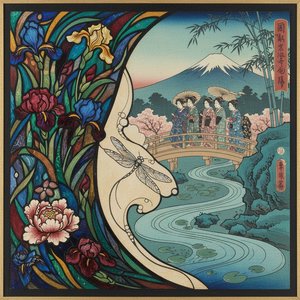
John La Farge: Pioneering American Colorism & Japonisme's Influence
Explore the groundbreaking work of John La Farge, a pioneer of American colorism and stained glass. Discover his captivating Japonisme-inspired murals & lasting legacy in 19th-century art. Expert insights for collectors.

约翰·辛格·萨金特:25幅大师级杰作,点亮您的艺术生活 | TopImpressionists
探索约翰·辛格·萨金特25幅传世杰作!深入了解这位美国印象派大师的肖像画技巧、金色时代风格与艺术故事。TopImpressionists.com提供高品质油画复制品,点亮您的室内设计,打造奢华艺术空间。立即在线探索完整系列!

Watercolor Wonders: 10 Masterpieces That Redefined Art History | TopImpressionists
Journey through 10 legendary watercolor masterpieces by Sargent, Turner & Homer! Explore iconic landscapes, portraits & floral art that redefined history. Find museum-quality reproductions and curated decor ideas at TopImpressionists.com.

Ephemeral Visions: Exploring the Artistic Legacy & Contemporary Practice of Watercolor Painting
Explore the captivating world of watercolor painting! Discover its rich history, essential techniques, influential artists & collecting tips. A comprehensive guide for art enthusiasts from TopImpressionists.

康斯塔布尔大师之作:25幅传世风景画赏析 | TopImpressionists
探索康斯塔布尔的25幅传世杰作!沉浸于英国田园风光,感受浪漫主义绘画大师的光影与色彩。高清油画复制、艺术品购买尽在TopImpressionists.com,为您的家居增添经典之美。立即在线探索完整系列!