

 实景预览
实景预览
 分享
分享 分享
分享
 详情
详情 指南
指南

 下载作品
下载作品
 相似作品
相似作品 X射线
X射线 幻灯片播放
幻灯片播放 Q&A
Q&A 统计数据
统计数据St Malo Harbour

- 76.0 x 102.0 cm


John McNairn’s ‘St Malo Harbour’ (1936) – a vibrant Impressionist landscape of coastal France. Thick impasto, diffused light & maritime scenes. Explore this captivating oil painting.
Discover John McNairn's evocative landscapes of Scotland – serene farms, charming towns like Crail, & intimate gardens. Explore his detailed paintings capturing rural beauty.
 展开全文
展开全文
艺术微喷/版画
博物馆级艺术微喷或帆布版画,制作高效,并提供多种饰面选择。 ( 订购纯手工绘制画作 切换至数字图像销售渠道)




































标准尺寸
定制
CM
INCH
您可以从与原作比例一致的预设尺寸中进行选择。
Loading sizes...

宽度
高度
请输入您所需的宽度和高度,以适配您的画框或墙面。由于印刷品只能进行裁剪,无法超出原图尺寸,因此若比例不一致,画面的一部分将会被裁切。在正式印刷之前,我们会为您发送一份数字效果图供您确认。本页面显示的图片并非最终裁剪后的效果——只有效果图才能展示真实的裁剪情况。


 玻璃选项仅适用于110厘米以下的尺寸。

St Malo Harbour
艺术微喷/版画
复刻品尺寸
-


最终结算价
¥ 463
相似作品


艺术家简介
Early Life and Artistic Foundations
John McNairn, a name synonymous with evocative Scottish landscapes, was born in Hawick, Roxburghshire, in 1910 – a region deeply rooted in the rugged beauty of the Borders. His lineage itself provided an immediate artistic pedigree; his father, John McNairn, was a respected newspaper publisher and amateur printer, while his grandfather also pursued painting, establishing a family tradition that would profoundly shape his own creative journey. This familial connection to art wasn’t merely inherited; it was nurtured through early exposure, laying the groundwork for McNairn's future artistic explorations. Crucially, his father’s early training at Edinburgh College of Art in the 1920s and subsequent studies in Paris under Othon Friesz – a key figure in the Fauvist movement – served as an immediate introduction to modern art principles and techniques. Friesz’s influence was particularly significant, exposing McNairn to the vibrant colors and expressive brushwork that would become hallmarks of his style. The legacy of Cézanne, another pivotal figure, further informed his approach, emphasizing the importance of structure, form, and capturing the essence of light and atmosphere. This early immersion in artistic theory and practice provided a robust foundation upon which McNairn would build his distinctive vision.Parisian Influences and Early Development
Following his father’s footsteps, McNairn embarked on his own artistic education at Edinburgh College of Art, honing his skills and developing his technique during the 1930s. However, it was a pivotal move to Paris in 1933 that truly ignited his creative spirit. There, he immersed himself in the vibrant Parisian art scene, profoundly influenced by the Impressionist masters – particularly Matisse and Dufy. These artists’ emphasis on capturing fleeting moments of light, color, and atmosphere resonated deeply with McNairn's burgeoning artistic sensibilities. He wasn’t simply copying their techniques; he was absorbing their philosophy—a desire to translate subjective experience onto canvas. The bold colors, loose brushwork, and focus on everyday subjects that characterized these artists became integral components of his own evolving style. This period marked a crucial stage in McNairn's development, solidifying his artistic identity and preparing him for the distinctive landscapes he would later become renowned for.The Scottish Landscape and Regional Identity
Returning to Scotland after serving in India during World War II, McNairn found himself deeply connected to his homeland’s dramatic and varied landscape. He began to translate this connection onto canvas, capturing the essence of the Borders region – its rolling hills, heather-clad moors, and charming villages. His work quickly gained recognition for its ability to evoke a profound sense of place—a feeling of both familiarity and timelessness. McNairn wasn’t merely depicting scenery; he was conveying an emotional response to it. He skillfully employed light and shadow to create depth and atmosphere, capturing the subtle nuances of weather and season. His paintings of farms, crofts, and traditional buildings offered a poignant glimpse into rural Scottish life, imbued with a quiet dignity and understated beauty. The influence of his artistic predecessors—Cézanne, Friesz, and Matisse—manifested in his use of color, composition, and brushwork, yet he always maintained a distinctly Scottish sensibility, rooted in the region’s unique character.Notable Works and Artistic Style
McNairn's oeuvre is characterized by a remarkable attention to detail, coupled with a masterful command of color and light. His paintings often feature meticulously rendered farm buildings, rolling hills, and glimpses of charming villages—a testament to his deep appreciation for the Scottish countryside. “The Red Hills” (1936), a vibrant depiction of the Borders landscape, exemplifies this style – showcasing his ability to capture the drama of light and shadow across the undulating terrain. Similarly, "St Malo Harbour" (1936) demonstrates his talent for portraying maritime scenes with dynamic brushwork and a keen eye for detail. His work is often described as “Impressionistic,” though he developed a unique style that blended elements of realism with expressive brushstrokes and vibrant color palettes. He favored working en plein air, directly from nature, which allowed him to capture the immediacy of light and atmosphere.Later Years and Legacy
John McNairn continued to paint prolifically throughout his life, establishing himself as one of Scotland’s most respected landscape artists. He maintained a close association with Edinburgh's 369 Gallery, showcasing his work alongside that of other emerging Scottish artists. His later years were marked by a deepening commitment to capturing the beauty and tranquility of the Scottish countryside. Despite facing personal challenges – including a lengthy prison sentence for his wife Caroline – McNairn remained dedicated to his art until his death in 2009, leaving behind a rich legacy of evocative landscapes that continue to captivate viewers today. His work is held in numerous public collections across Scotland and beyond, ensuring that his artistic vision will endure for generations to come.
John Mcnairn
1910 - 2009
艺术家简介
- Artistic Movement Or Style: Landscape Painting
- Artists Or Movements Influenced By This Artist:
- Fauves
- Caroline McNairn
- Artists Who Influenced This Artist:
- Cézanne
- Munch
- Date Of Birth: 1910
- Date Of Death: 2009
- Full Name: John McNairn
- Nationality: British
- Notable Artworks:
- The Red Hills
- St Malo Harbour
- Farm Buildings
- Place Of Birth: Hawick, UK
相关文章

Beyond the Light: Capturing Raw Emotion and Subjective Vision in Post-Impressionist Landscapes
Explore the profound emotional depth of Post-Impressionist landscapes. Discover how masters like Van Gogh moved beyond light to capture raw human feeling through vibrant color and expressive texture in this expert art history retrospective.
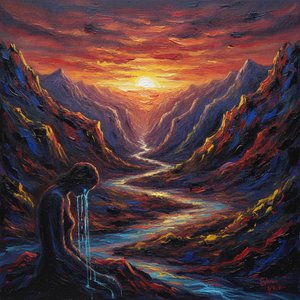
Capturing Emotion: A Journey Through the Soul of Expressionist Landscapes
Explore the profound emotional depth of Expressionist landscapes. Discover how Post-Impressionist masters moved beyond light to capture the soul through vibrant color and form. A curated journey for true art lovers seeking the beauty of expressive mastery.