

 实景预览
实景预览
 发送
发送 分享
分享
 详情
详情 指南
指南

 下载图片
下载图片
 相似作品
相似作品 X射线
X射线 幻灯片播放
幻灯片播放 统计数据
统计数据地穴


 阅读全文
阅读全文
艺术微喷/版画
博物馆级艺术微喷或帆布版画,制作高效,并提供多种饰面选择。 ( 订购此收藏品的纯手工复刻画作 切换至数字图像销售渠道)




P118B ¥10

P118H ¥10

P118W ¥10

P438Z ¥10

P508JH ¥12

P508YH ¥12

P805H ¥10

P805Z ¥10

P919BZ ¥10

P919G ¥10

P919XJ ¥10

P959ZH ¥10

P968JZ ¥12

W106C ¥8

W218G ¥10

W218JH ¥8

W218Y ¥10

W307PJ ¥10

W316G ¥10

W316PJ ¥8

W316Y ¥10

W398PJ ¥8

W4111J ¥10

W500HY ¥15

W500JH ¥15

W692G ¥12

W849H ¥8

W940BG ¥15

W953PJ ¥8




标准尺寸
定制
CM
INCH
您可以从与原作比例一致的预设尺寸中进行选择。
Loading sizes...

宽度
高度
请输入您所需的宽度和高度,以适配您的画框或墙面。由于印刷品只能进行裁剪,无法超出原图尺寸,因此若比例不一致,画面的一部分将会被裁切。在正式印刷之前,我们会为您发送一份数字效果图供您确认。本页面显示的图片并非最终裁剪后的效果——只有效果图才能展示真实的裁剪情况。


 玻璃选项仅适用于110厘米以下的尺寸。

地穴
艺术微喷/版画
复刻品尺寸说明
-


总计金额
¥ 464
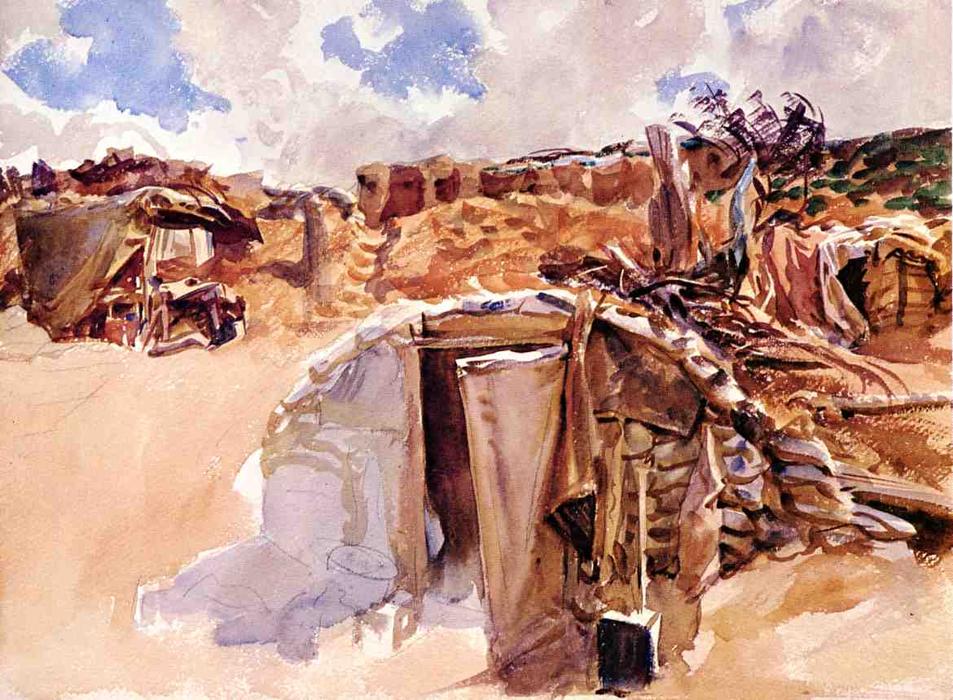
A Desert’s Embrace: John Singer Sargent's "Dugout"
John Singer Sargent’s “Dugout,” painted in 1918, isn’t merely a depiction of a desert landscape; it’s an immersion into the spirit of exploration and resilience. This watercolor masterpiece, currently residing within the Metropolitan Museum of Art's collection, transcends its humble dimensions – measuring just 39 x 53 centimeters – to offer a profound glimpse into the human condition amidst the harsh beauty of the American Southwest. The painting immediately draws the viewer in with its warm palette, dominated by ochre, sand, and the fiery hues of the setting sun. Yet, it’s not simply a visual pleasure; there's an underlying sense of quiet drama, a suggestion of stories whispered on the wind.
Sargent’s genius lies in his ability to capture fleeting moments with remarkable immediacy. The medium of watercolor lends itself perfectly to this effect – the loose brushstrokes and subtle gradations of color evoke the ephemeral nature of light and shadow across the desert floor. Notice how he masterfully renders the texture of the earth, the rough-hewn walls of the dugout, and even the worn fabric draped over its entrance. This isn’t a meticulously detailed rendering; rather, it's an impressionistic distillation of experience, prioritizing atmosphere and feeling above precise representation.
The Context of Exploration
“Dugout” was created during the twilight years of World War I, a period marked by both profound loss and burgeoning optimism. While the specific events surrounding this particular painting remain somewhat shrouded in mystery – Sargent’s personal life at this time was complex and often turbulent – it's reasonable to interpret the scene as reflecting the spirit of adventure and endurance that characterized the era. The dugout itself represents a primal need for shelter, a retreat from the elements, mirroring humanity’s enduring instinct for survival.
The presence of the horse, positioned on the right side of the composition, adds another layer of significance. Horses have long been associated with exploration, transportation, and the westward expansion of the American frontier. It speaks to a time when venturing into the unknown was both a necessity and a symbol of progress. The scattered figures in the foreground – men and women, seemingly engaged in some unspecified activity – further reinforce this theme of human interaction with the wilderness.
Symbolism and Emotional Resonance
Beyond its literal depiction, “Dugout” is rich in symbolic meaning. The stark contrast between the warm tones of the desert landscape and the cool shadows cast by the dugout creates a sense of tension and uncertainty. It’s a scene that invites contemplation – what are these people doing? What challenges have they faced? And what lies beyond the confines of their temporary shelter?
The painting's emotional impact is profoundly understated, yet deeply resonant. There’s no overt drama or violence; instead, we’re presented with a quiet tableau of resilience and adaptation. The light suggests hope, even as it acknowledges the harsh realities of the environment. It speaks to the human capacity for perseverance in the face of adversity – a theme that continues to resonate powerfully today.
A Legacy of Impressionism
“Dugout” firmly establishes Sargent as a master of capturing the essence of light and atmosphere, solidifying his place within the Impressionist movement. His ability to translate fleeting moments onto paper with such sensitivity and grace is truly remarkable. The painting’s intimate scale further enhances its impact, drawing the viewer in for an intensely personal experience. Reproductions of this work, available through TopImpressionists.com and similar platforms, offer a wonderful opportunity to bring this evocative piece into your home or office – a testament to Sargent's enduring legacy and his profound understanding of the human spirit.
相关艺术品


艺术家简介
约翰·辛格·萨金特:光与社会的光辉
约翰·辛格·萨金特,一个与镀金时代和它那令人眩目的优雅肖像画紧密相连的名字,是一位美国艺术家,他将自己的一生大部分时间奉献于在欧洲艺术世界中磨练技艺。1856年出生于佛罗伦萨,意大利,他的父母是美国侨民菲茨威廉·萨金特和玛丽·纽博尔德·萨金特,他的成长经历非比寻常。这个家庭的游牧生活——不断穿梭于法国、德国、意大利和瑞士——在他年轻时就培养了一种国际化的视野,并让他尽早接触到欧洲艺术的瑰宝。与传统的正规教育不同,他的教育在博物馆大厅和古老的教堂中展开,培养了他深刻的视觉素养,这将深深地影响他艺术的愿景。这种游牧童年虽然缺乏传统结构,却为他提供了丰富多彩的文化体验,激发了他的艺术天赋。他的父亲,一位外科医生,和母亲,一位业余艺术家,都鼓励他的兴趣,早早就认识到他非凡的观察能力。很明显,约翰的道路不在于医学或传统的追求,而在于艺术领域。巴黎工作室与肖像大师
1874年,十八岁的萨金特踏上人生的一个关键章节,进入了卡鲁斯·杜兰的巴黎工作室。这段指导证明是变革性的。杜兰对“直接绘画”的强调——一种不采用初步草图而是立即将颜料涂在画布上的技术——磨练了萨金特已经令人印象深刻的技术能力,并赋予了他以惊人的速度和精确捕捉肖像的能力。这是一种革命性的方法,鼓励大胆和自发性,并成为萨金特的标志性风格。他全身心投入杜兰的教诲,掌握了不仅捕捉物理相似,而且捕捉到其坐像本质的艺术。与此同时,他还进入了 Beaux-Arts 学校学习,进一步磨练了他的技能,从石膏模型和真人模特中进行绘画。然而,真正点燃萨金特艺术想象力的,是1879年一次在西班牙的具有重要意义的旅行中接触到的西班牙大师委拉斯凯兹的影响。他被委拉斯凯兹对光线的运用、笔触和心理洞察力所深深吸引——这些品质将贯穿他职业生涯。名声、丑闻与艺术演变
萨金特很快在巴黎确立了自己作为一名备受追捧的肖像画家的地位,吸引了这座城市精英阶层的委托。然而,他的崛起并非没有挑战。《玛德emoiselle X》(皮埃尔·戈特罗夫夫人肖像)于1884年在沙龙展出的丑闻威胁要毁掉他新兴的事业。对社交名媛维吉尼·阿梅莉·阿韦格诺·戈特罗夫的大胆描绘——她苍白的肤色、暗示性的姿势和滑落的肩带——被巴黎社会认为具有挑衅性和令人震惊的意味。尽管萨金特后来重新粉刷了肩带,但损害已经造成。因丑闻而心灰意冷,他于1886年搬到了伦敦,在那里为他的才华找到了更乐于接受的受众。在伦敦,他继续为富人和显赫人物绘制肖像画,以无与伦比的技巧捕捉了维多利亚时代的社会动态和奢华。然而,萨金特的艺术抱负超越了委托肖像画的界限。他渴望更大的创作自由,并日益致力于风景绘画和户外写生,拥抱一种以松散的笔触、鲜艳的色彩和对光线瞬间捕捉的关注为特征的印象派风格。这些风景展现了萨金特另一面——一个不太关心社会地位,而是更 attuned to 自然世界之美的艺术家。持久的遗产:超越肖像画
尽管被誉为“他的一代人中最杰出的肖像画家”,但约翰·辛格·萨金特的艺术遗产远远超出了他对社会名流的精湛描绘。《El Jaleo》,对西班牙弗拉明戈舞者的动态描绘,以及《康乃馨、百合、百合、玫瑰》,对英国花园中两个年轻女孩的宁静描绘,都展示了他的多才多艺和技术天赋。他晚年投身于雄心勃勃的壁画项目,包括波士顿公共图书馆的宏伟系列作品,展示了他将艺术愿景转化为宏大规模的能力。他的影响可以从钦佩他技术技能、大胆笔触以及捕捉物理相似性和心理深度的后代艺术家身上看到。他的作品继续吸引着世界各地的观众,为我们提供了一个迷人的时代窗口,同时通过其持久的美丽和技术掌握超越了时间。毫无疑问,他仍然是美国这一代人中最重要的一位艺术家之一,他的作品继续激发灵感并引起钦佩。影响与艺术亲缘关系
- 卡鲁斯·杜兰:他的老师,灌输了他直接绘画的技术,并鼓励了他的自发性。
- 迭戈·委拉斯凯兹:萨金特深深地钦佩委拉斯凯兹对光线的运用、笔触和心理洞察力,尤其是在他的西班牙作品中显而易见。
- 印象派:印象派强调捕捉瞬间和大气效果深刻影响了他的风景画,从而导致了一种更松散、更具表现力的风格。
- 詹姆斯·艾伯特·麦克尼尔·惠斯勒:萨金特与惠斯勒有着对唯美主义和追求“艺术为艺术”的兴趣,这影响了他对构图和色彩的方法。

约翰·辛格·萨金特
1856 - 1925 , 意大利
快速概览
- Artistic Movement Or Style: 印象派
- Artists Who Influenced This Artist:
- 卡洛鲁斯-杜兰
- 迭戈·委拉斯开兹
- Date Of Birth: 1856年1月12日
- Date Of Death: 1925年4月15日
- Full Name: 约翰·辛格·萨金特
- Nationality: 美国
- Notable Artworks:
- 《马达姆·X》
- 《埃尔哈莱奥》
- 《丁香、百合、百合玫瑰》
- Place Of Birth: 佛罗伦萨, 意大利
相关文章

John Singer Sargent: Capturing the Gilded Age with Impressionistic Brilliance
Explore the life & art of John Singer Sargent, premier portraitist of the Gilded Age. Discover his Impressionistic masterpieces, technical brilliance, and enduring legacy. Expert insights for collectors.

康斯塔布尔大师之作:25幅传世风景画赏析 | TopImpressionists
探索康斯塔布尔的25幅传世杰作!沉浸于英国田园风光,感受浪漫主义绘画大师的光影与色彩。高清油画复制、艺术品购买尽在TopImpressionists.com,为您的家居增添经典之美。立即在线探索完整系列!

Ephemeral Visions: Exploring the Artistic Legacy & Contemporary Practice of Watercolor Painting
Explore the captivating world of watercolor painting! Discover its rich history, essential techniques, influential artists & collecting tips. A comprehensive guide for art enthusiasts from TopImpressionists.

Watercolor Wonders: 10 Masterpieces That Redefined Art History | TopImpressionists
Journey through 10 legendary watercolor masterpieces by Sargent, Turner & Homer! Explore iconic landscapes, portraits & floral art that redefined history. Find museum-quality reproductions and curated decor ideas at TopImpressionists.com.

约翰·辛格·萨金特:25幅大师级杰作,点亮您的艺术生活 | TopImpressionists
探索约翰·辛格·萨金特25幅传世杰作!深入了解这位美国印象派大师的肖像画技巧、金色时代风格与艺术故事。TopImpressionists.com提供高品质油画复制品,点亮您的室内设计,打造奢华艺术空间。立即在线探索完整系列!


