


 实景预览
实景预览
 发送
发送 分享
分享
 详情
详情 指南
指南

 下载图片
下载图片
 相似作品
相似作品 X射线
X射线 幻灯片播放
幻灯片播放 统计数据
统计数据Self Portrait


 阅读全文
阅读全文
艺术微喷/版画
博物馆级艺术微喷或帆布版画,制作高效,并提供多种饰面选择。 ( 订购此收藏品的纯手工复刻画作 切换至数字图像销售渠道)




P118B ¥10

P118H ¥10

P118W ¥10

P438Z ¥10

P508JH ¥12

P508YH ¥12

P805H ¥10

P805Z ¥10

P919BZ ¥10

P919G ¥10

P919XJ ¥10

P959ZH ¥10

P968JZ ¥12

W106C ¥8

W218G ¥10

W218JH ¥8

W218Y ¥10

W307PJ ¥10

W316G ¥10

W316PJ ¥8

W316Y ¥10

W398PJ ¥8

W4111J ¥10

W500HY ¥15

W500JH ¥15

W692G ¥12

W849H ¥8

W940BG ¥15

W953PJ ¥8




标准尺寸
定制
CM
INCH
您可以从与原作比例一致的预设尺寸中进行选择。
Loading sizes...

宽度
高度
请输入您所需的宽度和高度,以适配您的画框或墙面。由于印刷品只能进行裁剪,无法超出原图尺寸,因此若比例不一致,画面的一部分将会被裁切。在正式印刷之前,我们会为您发送一份数字效果图供您确认。本页面显示的图片并非最终裁剪后的效果——只有效果图才能展示真实的裁剪情况。


 玻璃选项仅适用于110厘米以下的尺寸。

Self Portrait
艺术微喷/版画
复刻品尺寸说明
-


总计金额
¥ 464
A Window into American Realism: Eastman Johnson’s “Self Portrait” (1860)
Eastman Johnson's "Self Portrait" of 1860 is more than just a likeness; it’s a meticulously crafted window into the soul of an era and the quiet dignity of a man. Painted during a pivotal period of American artistic development, this oil-on-canvas work embodies the burgeoning realism that would define Johnson's career and, in many ways, shape the course of 19th-century portraiture. The painting immediately draws the viewer in with its direct gaze – Johnson’s eyes meet ours across time, conveying a sense of thoughtful introspection and understated strength.
The composition is deceptively simple yet profoundly effective. Dressed in a dark, well-tailored coat and holding a red cloth—a subtle detail that hints at theatricality or perhaps a deliberate gesture of presentation – Johnson presents himself against a muted wall adorned with a vase and a clock. These elements aren’t merely decorative; they ground the portrait within a domestic setting, suggesting a life lived within the rhythms of everyday existence. The background's subdued palette further emphasizes the subject, allowing his features and demeanor to take center stage.
The Painter’s Palette: Technique and Style
Johnson’s masterful technique is rooted in the academic traditions he studied in Europe, particularly in Düsseldorf, Germany, where he honed his skills alongside other American artists seeking a rigorous artistic education. However, unlike many of his European contemporaries, Johnson didn't simply replicate established styles; he adapted them to reflect the unique character of American life. His brushwork is precise and controlled, yet imbued with a remarkable sensitivity to light and shadow. Note the subtle gradations in tone that define the contours of his face, creating a sense of volume and depth.
The painting’s realism extends beyond mere representation. Johnson captures not just Johnson's physical appearance but also something of his personality – a quiet confidence tempered by a hint of melancholy. The careful attention to detail—the texture of the coat, the slight furrow in his brow—reveals a deep understanding of human anatomy and expression. It’s a testament to Johnson’s ability to translate observation into compelling visual narrative.
A Man of His Time: Historical Context
To fully appreciate “Self Portrait,” it's essential to understand the social and artistic landscape of 1860 America. The nation was grappling with the aftermath of the Civil War, navigating a period of Reconstruction and profound societal change. Johnson’s work reflects this atmosphere of introspection and quiet resilience. He wasn’t interested in grand historical narratives or idealized representations; instead, he focused on capturing the realities of ordinary American life – a theme that would become increasingly prominent in his later genre paintings.
Johnson's connection to Washington D.C. is particularly significant. He lived and worked there for much of his career, documenting the lives of politicians, businessmen, and everyday citizens. His portraits offer invaluable insights into the social fabric of a rapidly evolving nation. The inclusion of elements like the vase and clock—common features of domestic interiors—further anchors the portrait within this specific context.
Symbolism and Emotional Resonance
While seemingly straightforward, “Self Portrait” is rich in subtle symbolism. The red cloth held in Johnson’s hand could represent passion, creativity, or perhaps a theatrical element – reflecting his involvement in stage design and set dressing. The direct gaze of the subject invites contemplation, prompting us to consider not only Johnson's identity but also our own relationship with self-representation and portraiture itself.
Ultimately, “Self Portrait” is a powerful testament to the enduring appeal of realism as an artistic approach. It’s a painting that speaks to the complexities of human experience – capturing both the outward appearance and the inner life of a man who sought to document his time with honesty, nuance, and a profound appreciation for the beauty of everyday existence.
问答详情
我可以在这里订购"Self Portrait"的油画复制品吗?
乔纳森·伊斯特曼·约翰逊 的《Self Portrait》 的手绘复制品正在 本网站 发售:您可以通过其 手工油画复刻 页面进行订购:亚麻画布手工绘制油画复制品。
"Self Portrait" 是 乔纳森·伊斯特曼·约翰逊 最受欢迎的作品之一吗?
乔纳森·伊斯特曼·约翰逊 的《Self Portrait》 的记录热度为 Recognized。
创作《Self Portrait》时,乔纳森·伊斯特曼·约翰逊 的年龄是多少?
乔纳森·伊斯特曼·约翰逊 在 36 岁时创作了《Self Portrait》。艺术家出生于 1824,该作品创作于 1860 年。
艺术家简介
镌刻在美国现实主义中的生命
乔纳森·伊斯特曼·约翰逊(Jonathan Eastman Johnson),这个名字回荡着19世纪美国生活的宁静尊严,他不仅仅是一位画家,更是那个时代的视觉编年史官。1824年出生于缅因州洛维尔,约翰逊通往艺术巅峰之路并非一蹴而就的成名,而是一个由家族纽带、严谨训练以及对诚实、细腻且带有忧郁美感的真实世界描绘的坚定追求所共同塑造的渐进过程。他的父亲菲利普·卡里根·约翰逊在商业和兄弟会组织中担任要职,这使年轻的伊斯特曼从小便培养出一种参与社区的情怀,这种情怀后来渗透到了他的艺术主题之中。早年在缅因州弗莱堡和奥古斯塔的生活经历,为他理解日常存在奠定了基础,而这种理解随后被他以非凡的敏感度转化为画布上的色彩。1840年,他在波士顿的一位石版画家门下开始正式学徒生涯,这标志着他那以细致观察和精湛技艺为特征的职业生涯迈出了第一步。后来,由于父亲的海军任命,他随家人移居华盛顿特区,这一变迁拓宽了他的视野,让他接触到多元的主题与经历,并微妙地影响了他的艺术愿景。从荷兰大师到美国图景
约翰逊的艺术发展是一场迷人的影响力交织。起初他被肖像画所吸引,但很快便扩展了自己的艺术领域,涵盖了描绘日常生活场景的风俗画。这不仅仅是为了表现形式,更是为了捕捉美国社会的本质,为那些在宏大历史叙事中常被忽视的普通人生活提供一瞥窗口。1850年代迎来了一个关键时刻,当时约翰逊前往海牙,沉浸在17世纪荷兰大师的作品之中。这次邂逅具有变革意义,他吸收了他们对构图、光影和现实主义的精湛掌控,从而赢得了“美国伦勃朗”这一亲切的美誉。这种影响在他的画作中清晰可见——低调的色调、戏剧性的明暗对比以及近乎摄影般的细节关注,构成了他成熟时期的风格特征。然而,约翰逊并未止步于模仿;他将这些欧洲技法与他独特的美国感性相结合,创作出既具有技术上的辉煌,又深深植根于时代社会结构的作品。他投身于蓬勃发展的现实主义运动,拒绝理想化的表现,转而追求对日常生活的准确描绘,这一承诺定义了他的艺术遗产。时代的见证者
约翰逊的作品集极其丰富多样,既包含亚伯拉罕·林肯、纳撒尼尔·霍桑、拉尔夫·沃尔多·爱默生和亨利·华兹沃斯·朗费洛等显赫人物的肖像,也涵盖了家庭生活与乡村生活的亲密场景。然而,某些作品因其社会评论性和艺术创新性而显得尤为重要。南方黑人生活(1859)仍是他最负盛名且最具争议的画作之一。通过描绘非洲裔美国人享受闲暇时光的画面,它引发了关于战前南方种族关系和奴隶制现实的激烈辩论。场景中固有的模糊性——这究竟是浪漫化的描绘还是微妙的批判?——引发了远超艺术界范围的讨论。他对南北战争的反应同样令人动容。约翰逊并未专注于战场上的英雄主义,而是将注意力转向冲突对平民生活的影响,创作出了充满忧伤感的画面,展现了远离前线的焦虑家庭与场景。奔向自由(1862)描绘了一个逃往自由的奴隶家庭,有力地证明了他对社会正义的承诺。他对新英格兰乡村生活的刻画——采摘枫糖、采集蔓越莓——则以一种静谧的敬畏感赞美了传统的美国价值观与匠心精神。画布之外的传承
除了艺术成就,约翰逊在塑造美国艺术版图方面也发挥了至关重要的作用。他对风俗画的奉献将其提升为一种受人尊敬的艺术表现形式,挑战了当时关于何为“高雅艺术”的既定观念。他不仅是一位艺术家,更是一位文化的倡导者。他的使命感超越了他的个人创作,最终促成了他在纽约市共同创立了大都会艺术博物馆——这证明了他对艺术教育与启发力量的信念。他的名字被刻在博物馆入口处,是对他为国家艺术遗产做出重大贡献的永久认可。约翰逊对美国现实主义的影响是不可磨灭的;他致力于以诚实和细节描绘日常生活的精神,为后世那些试图捕捉人类经验复杂性的艺术家铺平了道路。今天,乔纳森·伊斯特曼·约翰逊不仅被视为一位技艺精湛的画家,更被视为美国社会的深思熟虑的观察者,他的作品因其持久的现实意义和情感深度而持续引起共鸣。永恒的意义
约翰逊的遗产超越了具体的画作或机构贡献。他是连接欧洲艺术传统与独特美国题材的先驱。他赋予平凡场景以深远意义的能力、参与复杂社会问题的意愿,以及对现实主义不懈的追求,巩固了他作为19世纪美国艺术关键人物的地位。他不仅仅是在记录生活,更是在诠释生活,促使观众反思自身的价值观与信仰。他的作品是一个强有力的提醒:真正的艺术造诣不仅在于技术技巧,更在于连接人类精神并照亮我们周围世界的能力。他于1906年在纽约去世,留下了足以持续吸引并激励后人的艺术瑰宝,确保了他在美国艺术史上作为重要人物的永恒地位。
乔纳森·伊斯特曼·约翰逊
1824 - 1906 , 英国
快速概览
- Artistic Movement Or Style: 现实主义, 风俗画
- Artists Or Movements Influenced By This Artist: ['美国现实主义']
- Artists Who Influenced This Artist:
- 荷兰大师
- 让-弗朗索瓦·米勒
- Date Of Birth: 1824年7月29日
- Date Of Death: 1906年4月5日
- Full Name: 乔纳森·伊斯特曼·约翰逊
- Nationality: 美国
- Notable Artworks:
- 南方的黑人生活
- 奔向自由
- 读书的女子
- Place Of Birth: 英国洛维尔
相关文章
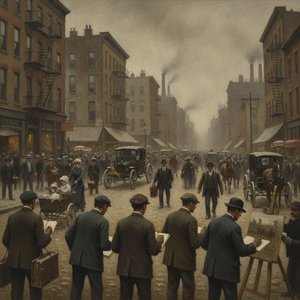
The Ashcan School: Capturing the Raw, Unfiltered Soul of Urban Life through American Realism
Discover the raw beauty of the Ashcan School. Explore how masters like Bellows and Henri captured the gritty, vibrant soul of early 20th-century New York through profound American Realism and evocative urban landscapes.

The Unvarnished Truth: A Cultural Journey Through the Soul of American Realism
Explore the profound beauty of American Realism. From the Ashcan School's urban grit to intimate portraits, discover how artists captured the authentic soul of a nation through unvarnished truth and masterful observation.

The Raw Truth: A Definitive Guide to the Power and Legacy of Social Realism Art
Explore the profound impact of Social Realism. Discover how masters like Courbet rejected idealism to capture the raw, socio-political truths of the working class through powerful, unvarnished art history and enduring visual critique.