


 实景预览
实景预览
 发送
发送 分享
分享
 详情
详情 指南
指南

 下载图片
下载图片
 相似作品
相似作品 X射线
X射线 幻灯片播放
幻灯片播放 统计数据
统计数据Fruit
 Oil On Canvas
- WallArt
- Impressionism
 1888
1888- 19th Century
 54.0 x 44.0 cm
 大都会艺术博物馆
 阅读全文
阅读全文
艺术微喷/版画
博物馆级艺术微喷或帆布版画,制作高效,并提供多种饰面选择。 ( 订购此收藏品的纯手工复刻画作 切换至数字图像销售渠道)




P118B ¥10

P118H ¥10

P118W ¥10

P438Z ¥10

P508JH ¥12

P508YH ¥12

P805H ¥10

P805Z ¥10

P919BZ ¥10

P919G ¥10

P919XJ ¥10

P959ZH ¥10

P968JZ ¥12

W106C ¥8

W218G ¥10

W218JH ¥8

W218Y ¥10

W307PJ ¥10

W316G ¥10

W316PJ ¥8

W316Y ¥10

W398PJ ¥8

W4111J ¥10

W500HY ¥15

W500JH ¥15

W692G ¥12

W849H ¥8

W940BG ¥15

W953PJ ¥8




标准尺寸
定制
CM
INCH
您可以从与原作比例一致的预设尺寸中进行选择。
Loading sizes...

宽度
高度
请输入您所需的宽度和高度,以适配您的画框或墙面。由于印刷品只能进行裁剪,无法超出原图尺寸,因此若比例不一致,画面的一部分将会被裁切。在正式印刷之前,我们会为您发送一份数字效果图供您确认。本页面显示的图片并非最终裁剪后的效果——只有效果图才能展示真实的裁剪情况。


 玻璃选项仅适用于110厘米以下的尺寸。

Fruit
艺术微喷/版画
复刻品尺寸说明
-


总计金额
¥ 464
Julian Alden Weir’s “Fruit”: A Still Life of Transient Beauty
Julian Alden Weir's 1888 painting, "Fruit," offers a captivating glimpse into the burgeoning world of American Impressionism. More than just a depiction of apples, oranges, and grapes arranged on a table, it’s a meditation on beauty, decay, and the fleeting nature of existence – a core tenet of the *vanitas* tradition prevalent in European art at the time. Weir, born in West Point, New York, inherited an artistic lineage deeply rooted in formal training, beginning with his father's instruction at the United States Military Academy, yet it was his immersion in Parisian ateliers and encounters with artists like Jean-Léon Gérôme that truly ignited his distinctive style. This painting represents a pivotal moment in Weir’s artistic journey – a deliberate shift away from the rigid academicism of his early years towards a more subjective and emotionally resonant approach to capturing the world around him.
The composition itself is deceptively simple, yet meticulously crafted. The arrangement of the fruit—the vibrant red of the apples, the sunny yellow of the oranges, and the deep purple of the grapes – draws the eye immediately. Notice how Weir doesn’t strive for photographic realism; instead, he employs loose brushstrokes and a muted palette, prioritizing atmosphere and light over precise detail. The table, rendered with subtle tonal variations, provides a grounding element, anchoring the vibrant fruits within a sense of quiet contemplation. This deliberate choice reflects the influence of artists like Edouard Manet, whom Weir admired and whose work encouraged him to explore more intimate still lifes that evoked the *vanitas* tradition – a reminder of mortality and the transience of earthly pleasures.
The Influence of *Vanitas* and the Symbolism of Decay
“Fruit” is deeply informed by the *vanitas* genre, a popular theme in Northern European art during the 16th and 17th centuries. *Vanitas* paintings typically featured symbolic objects – skulls, decaying fruit, extinguished candles – to remind viewers of the inevitability of death and the futility of worldly pursuits. While Weir’s work isn't overtly morbid, the inclusion of ripe fruit on the verge of decay subtly conveys this underlying theme. The slightly bruised apple, for instance, hints at the passage of time and the ephemeral nature of beauty. The grapes, plump and luscious, represent abundance and pleasure, but their proximity to the decaying elements suggests that even these joys are ultimately transient.
Beyond *vanitas*, individual fruits carry specific symbolic weight. Apples have long been associated with knowledge, temptation, and immortality in Western art. Oranges, introduced to Europe from the East, represented wealth and luxury. Grapes symbolize abundance, fertility, and joy. Weir’s careful selection of these elements creates a layered visual narrative, inviting viewers to contemplate not just the beauty of the fruit itself, but also its deeper meaning.
Technique and Artistic Style
Weir's masterful technique is evident in his skillful use of light and shadow. He employs broken color—applying small dabs of paint rather than blending them smoothly—to create a sense of luminosity and atmospheric depth. The brushstrokes are loose and expressive, capturing the texture of the fruit’s skin and the sheen of its surfaces. This approach aligns with the Impressionist movement's emphasis on capturing fleeting moments and subjective perceptions. The painting is executed in oil on canvas, a medium that allowed Weir to achieve rich colors and subtle tonal variations.
Interestingly, this period of Weir’s work – the 1880s – saw him moving away from his earlier academic style and embracing a more intimate and emotionally driven approach. His connection with artists like Edouard Manet during his time in Paris undoubtedly played a role in this transformation. The painting's quiet elegance and contemplative mood reflect Weir’s growing confidence as an artist, signaling a shift towards a distinctly American brand of Impressionism.
A Reproduction for Art Lovers
TopImpressionists is proud to offer a meticulously hand-painted reproduction of Julian Alden Weir’s “Fruit.” This isn't merely a print; it’s a faithful recreation of the original, capturing the artist’s delicate brushwork and evocative atmosphere. The 54 x 44 cm size makes this piece ideal for adding a touch of timeless beauty to any room – from a cozy study to a sophisticated dining area. The subtle color palette and nuanced details will bring a sense of serenity and contemplation to your space, reminding you of the fleeting nature of beauty and the importance of appreciating the present moment. Explore our collection today and bring home a piece of art history.


艺术家简介
早年生活与艺术基础
朱利安·奥尔登·韦尔 (Julian Alden Weir) 于 1852 年 8 月 30 日出生于纽约州西点军校,继承了一个深刻影响他道路的艺术世系。他的父亲罗伯特·沃尔特·韦尔是一位受人尊敬的画家和美国军事学院的绘画教授,从小就向年轻的朱利安灌输了对艺术的深刻欣赏。家本身就是一个充满活力的工作室,充满了创造生活的工具和灵感。这种培育环境也延伸到他的哥哥约翰·费格森·韦尔,他后来也成为了一位著名的风景画家。 朱利安最初的正规训练始于大约 1870 年在纽约市的国家设计学院,为他提供了坚实的传统技巧基础。然而,真正点燃他艺术发展的旅程是 1873 年前往巴黎。 在 École des Beaux-Arts 师从让·莱昂·热罗姆 (Jean-Léon Gérôme) 使他接触到学术的严谨和一丝不苟的细节,而与朱尔斯·巴斯蒂安-勒帕日 (Jules Bastien-Lepage) 等艺术家的友谊拓宽了他对绘画可能性的视野。 最初,韦尔强烈反对新兴的印象派运动,认为它缺乏形式和结构是“可怕的”。 这种早期的抵制将证明至关重要,因为他最终接受印象派并非源于立即接受,而是通过理解的逐渐演变。康涅狄格岁月与艺术转型
1883 年朱利安·奥尔登·韦尔与安娜·德怀特·贝克 (Anna Dwight Baker) 结婚并随后搬到康涅狄格州布兰奇维尔镇,是他生活的一个转折点。 他在那里购买了一家农场,寻求远离纽约市喧嚣的艺术世界。 这个乡村环境不仅仅是一个休憩之所;它是一个灵感的源泉。宁静的风景、农场生活的节奏以及与自然的亲密联系开始微妙地改变他的艺术重点。 虽然最初继续创作肖像和静物画,采用传统风格,但韦尔发现自己越来越渴望捕捉光影的转瞬即逝的效果。 1891 年左右,这种倾向发展成为对印象派的全面接受。 受约翰·特瓦奇曼 (John Twachtman) 和西奥多·罗宾逊 (Theodore Robinson) 等艺术家的影响,他开始尝试破碎的笔触、充满活力的调色板和强调主观感知。 这并不是完全放弃他早期的训练;相反,它是学术技能与新运动创新精神的综合。 他的风格经常在纯粹的印象派表现和更沉稳的色调之间摇摆不定,创造出一种独特的视觉语言,使他与同时代的人区分开来。 他还在版画方面展示了相当的天赋,特别是通过他熟练地使用水彩浮雕技术。美国艺术界的领军人物
在 19 世纪末,朱利安·奥尔登·韦尔已确立为美国艺术界的重要人物。 他是“十人派”的创建者之一,“十人派”是由十位独立思想的画家组成的团体,他们寻求在传统机构(如国家设计学院)的约束之外展出他们的作品。 这个集体——包括奇尔德·哈萨姆 (Childe Hassam)、威拉德·勒罗伊·梅特卡夫 (Willard Leroy Metcalf) 和埃德蒙·塔贝尔 (Edmund Tarbell) 等艺术家——代表了艺术自主性的重要一步,并帮助塑造了美国绘画的方向。 1912 年,韦尔当选为美国画家和雕塑家协会的第一任主席,进一步巩固了他在美国艺术界中的领导地位。 他后来担任国家设计学院的院长,证明了他从进步派和保守派阵营中获得的尊重。 他在这个时期的主要作品——例如 *海滩上* (1892),一幅充满活力的海岸景象; *新英格兰谷仓* (1904),一幅描绘乡村生活的迷人画作;以及 *高地牧场* (1905)——体现了他对印象派技术的掌握和捕捉美国景观本质的能力。遗产与持久影响
朱利安·奥尔登·韦尔的贡献远远超出了他个人的绘画作品。 他在弥合传统学术绘画与印象派创新精神之间的差距方面发挥了关键作用,为后代美国艺术家铺平了道路。 他通过“十人派”促进艺术独立性的奉献精神挑战了既定的规范,并帮助创造了一个更加充满活力和多样化的艺术景观。 今天,位于康涅狄格州布兰奇维尔镇的韦尔农场国家历史遗址是他的生活和工作的见证。 像他时代一样被保存下来,这座农场为游客提供了一瞥,让他们了解了启发他的世界——连绵起伏的山丘、风化的谷仓以及新英格兰乡村的宁静之美。 该遗址不仅是一处历史地标,也是当今艺术家的持续灵感来源。 他的家族的艺术遗产——源于他父亲罗伯特·沃尔特·韦尔,一位哈德逊河画派画家——进一步巩固了朱利安·奥尔登·韦尔在美国艺术史中的地位。 他于 1919 年 12 月 8 日在纽约市去世,留下了一系列继续吸引和启发人们的作品,提醒我们艺术捕捉世界之美和本质的力量。- 主要作品: *海滩上* (1892), *新英格兰谷仓* (1904), *高地牧场* (1905)
- 艺术风格:印象派,色调主义
- 协会: “十人派”,国家设计学院

朱利安·魏尔
1852 - 1919 , 美国
快速概览
- Artistic Movement Or Style: 印象派、调性主义
- Artists Or Movements Influenced By This Artist: ['美国十画派']
- Artists Who Influenced This Artist:
- 让·莱昂·热罗姆
- 儒勒·巴斯蒂安-雷帕日
- Date Of Birth: 1852年8月30日
- Date Of Death: 1919年12月8日
- Full Name: 朱利安·艾尔登·韦尔
- Nationality: 美国国籍
- Notable Artworks (List Of Titles):
- 海滨
- 新英格兰谷仓
- 高地牧场
- Place Of Birth (City And Country): 纽约州西点市,美国
相关文章

The Timeless Charm of Oil on Board: Reimagining Texture and Light through the Impressionist Lens
Discover the profound intimacy of oil on panel. Explore how Impressionist masters used rigid supports to capture light, texture, and impasto depth through exquisite, handmade oil reproductions for discerning collectors.

The Soul of Impressionism: Why Oil on Canvas Captures Eternal Light and Timeless Emotion
Discover the enchanting alchemy of Impressionism. Explore how the mastery of oil on canvas, through glazing and impasto, captures eternal light and emotion. Perfect for lovers of Monet and Van Gogh seeking the profound depth of hand-painted fine art.

Enchanting Strokes: Unveiling the Luminous Magic and Timeless Soul of Impressionist Masterpieces
Immerse yourself in the luminous beauty of Impressionism. TopImpressionists.com offers exquisite, hand-painted oil reproductions of masters like Monet and Van Gogh. From museum-quality landscapes to bespoke portraits from photos, we bring timeless artistry and soul to your collection.
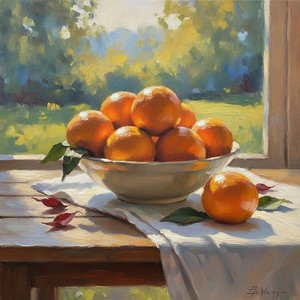
Sun-Drenched Citrus: The Vibrant Beauty of Oranges in Impressionist Masterpieces
Embark on a sensory journey through Impressionist masterpieces. Discover how Renoir and Cézanne captured the vibrant light and luscious textures of sun-drenched oranges in exquisite still life paintings designed to inspire and transform your home.

Moonlight Magic: Capturing the Luminous Glow of Impressionist Nightscapes
Discover the ethereal beauty of Impressionist nightscapes. Explore how masters like Monet and Van Gogh captured moonlight through luminous oil textures. Expert insights for collectors seeking museum-quality, handmade reproductions to transform their homes with timeless nocturnal magic.