


 实景预览
实景预览
 发送
发送 分享
分享
 详情
详情 指南
指南

 下载图片
下载图片
 相似作品
相似作品 X射线
X射线 幻灯片播放
幻灯片播放 统计数据
统计数据Daturas
 Pastel
- Symbolism
 1900
1900- 19th Century
 47.0 x 63.0 cm
 Lithuanian Art Fund
Vibrant pastel blossoms capture the vitality of early 20th-century Lithuania in this dreamy work by Kazimierz Stabrowski, offering a soulful glimpse into botanical beauty that you can bring to your own collection.
 阅读全文
阅读全文
探索卡齐米日·斯塔博夫斯基 (1869-1929),这位著名的波兰画家以其梦幻般的象征主义风景画和浪漫场景而闻名。他曾任华沙美术学院院长,并创立了波兰神智学会。前来探索他迷人的艺术作品。
艺术微喷/版画
博物馆级艺术微喷或帆布版画,制作高效,并提供多种饰面选择。 ( 订购此收藏品的纯手工复刻画作 切换至数字图像销售渠道)




P118B ¥10

P118H ¥10

P118W ¥10

P438Z ¥10

P508JH ¥12

P508YH ¥12

P805H ¥10

P805Z ¥10

P919BZ ¥10

P919G ¥10

P919XJ ¥10

P959ZH ¥10

P968JZ ¥12

W106C ¥8

W218G ¥10

W218JH ¥8

W218Y ¥10

W307PJ ¥10

W316G ¥10

W316PJ ¥8

W316Y ¥10

W398PJ ¥8

W4111J ¥10

W500HY ¥15

W500JH ¥15

W692G ¥12

W849H ¥8

W940BG ¥15

W953PJ ¥8




标准尺寸
定制
CM
INCH
您可以从与原作比例一致的预设尺寸中进行选择。
Loading sizes...

宽度
高度
请输入您所需的宽度和高度,以适配您的画框或墙面。由于印刷品只能进行裁剪,无法超出原图尺寸,因此若比例不一致,画面的一部分将会被裁切。在正式印刷之前,我们会为您发送一份数字效果图供您确认。本页面显示的图片并非最终裁剪后的效果——只有效果图才能展示真实的裁剪情况。


 玻璃选项仅适用于110厘米以下的尺寸。

Daturas
艺术微喷/版画
复刻品尺寸说明
-


总计金额
¥ 464
A Symphony of Pastel Petals
In the delicate, ephemeral strokes of Kazimierz Stabrowski’s "Daturas," we find ourselves transported to the turn of the 20th century, an era where the boundaries between reality and dream began to blur. This exquisite pastel work is far more than a mere botanical study; it is a vibrant, breathing testament to the vitality of nature. The composition unfolds with an organic, almost spontaneous energy, capturing the essence of the Datura flower in all its sprawling glory. Each blossom, rendered with a masterful touch, seems to pulse with life against the soft, textured backdrop. The artist utilizes the unique properties of pastel to create a sense of depth and luminosity, where the brilliant whites and subtle nuances of color dance across the surface, inviting the viewer to linger on every petal and leaf.
The technique employed by Stabrowski reveals a profound understanding of light and texture. By utilizing a slightly sketchy, impressionistic approach, he avoids the rigidity of scientific illustration, opting instead to convey the impression of the plant's movement and spirit. The interplay of light across the various sizes and shapes of the flowers creates a rhythmic visual melody, where at least thirteen distinct blooms emerge from the canvas, each possessing its own unique character. This soft-focus, tactile quality makes the artwork feel incredibly intimate, as if one is leaning in to catch the faint, nocturnal scent of these famous blossoms.
Symbolism and the Spirit of an Era
To understand "Daturas," one must look toward the cultural landscape of early 20th-century Lithuania and Poland. During this period, the cultivation of Daturas was a mark of elegance in manor houses, representing a connection to both botanical beauty and the refined lifestyle of the landed gentry. Stabrowski, a master of the Symbolist movement, imbues these flowers with a deeper, more spiritual resonance. The white blossoms, often associated with purity and the ethereal, reflect his fascination with the unseen realms—a passion that would later lead him to found the Theosophical Society in Poland. In this piece, the vitality of the plant serves as a metaphor for the enduring strength of nature amidst the shifting tides of human history.
There is a hauntingly beautiful quality to the work, a sense of romanticism that speaks to the soul. The way the flowers occupy the space—sometimes bold and prominent, sometimes receding into the soft shadows—mirrors the complexity of memory and emotion. For the collector or the lover of fine art, this painting offers a window into a lost world of elegance and mysticism, making it an evocative centerpiece for any curated collection.
An Elegant Addition to the Modern Interior
For interior designers and connoisseurs of fine decor, "Daturas" presents a magnificent opportunity to introduce a sense of historical depth and organic warmth into a living space. The artwork’s palette, characterized by its luminous whites and natural greens, possesses a versatile elegance that complements both classical and contemporary settings. Whether placed in a sun-drenched morning room or a sophisticated, moody study, the painting acts as a focal point that commands attention through subtlety rather than force.
A high-quality reproduction of this masterpiece allows the timeless charm of Stabrowski’s vision to reside within your home. It brings with it an atmosphere of tranquility and intellectual curiosity, serving as a conversation piece that bridges the gap between the botanical world and the heights of human artistic achievement. Investing in such a piece is not merely about decoration; it is about surrounding oneself with the enduring beauty of the Symbolist tradition and the quiet, powerful grace of the natural world.
问答详情
在哪里可以预览“Daturas”?
若要预览 卡齐米日·斯塔布罗夫斯基 的《Daturas》 复制品的详情,请打开该作品的 预览 页面。
建议为 卡齐米日·斯塔布罗夫斯基 的《Daturas》 选择哪种复刻尺寸?
建议将“Daturas”打印为 Medium 尺寸。其他尺寸亦可按相同比例进行制作。
在哪里可以找到关于“Daturas”的指南?
针对 卡齐米日·斯塔布罗夫斯基 的《Daturas》,我们提供了一个 指南 页面:这是一份可打印的艺术品资料页,专为学生及课堂教学使用而设计。


艺术家简介
早年生活与教育
卡齐米日·斯塔博夫斯基 (Kazimierz Stabrowski) 是一位享誉盛名的波兰画家,1869年出生于白俄罗斯的纳瓦赫罗多克。他随后前往华沙美术学院深造,并最终出任该校院长。这一关键性的角色不仅彰显了他卓越的艺术才华,更巩固了他对下一代艺术家深远的影响力。艺术风格与代表作品
斯塔博夫斯器的作品以其梦幻般的象征主义特质而著称,常将象征主义与浪漫主义元素巧妙融合。在他最负盛名的杰作中,《雪姑娘》(1891) 完美诠释了这种独特的艺术风格,其迷人的意境一个多世纪以来一直令无数艺术爱好者为之倾倒。在波兰创立神智学会
除了在艺术领域的成就,斯塔博夫斯基还在波兰建立神智学会的首批分会中发挥了重要作用。这个基于灵性与神秘学原则建立的哲学社团,进一步凸显了他多才多艺且富有深度的精神世界。传承与晚年生活
1929年,斯塔博夫斯基在波兰的加尔沃林逝世,但他留下的艺术遗产至今仍在激励着艺术家与艺术爱好者。从华沙美术学院的学术传承,到他笔下那些充满象征意义与浪漫情怀的作品,他的影响力渗透在波兰艺术的各个层面。TopImpressionists.com 上的卡齐米日·斯塔博夫斯基精选作品
- 《山之魂》 (105 x 85 cm, 立陶宛艺术基金会, 立陶宛维尔纽斯, 布面油画) —— 这是斯塔博夫斯基象征主义风格的典范之作。
- 《月光下的斗兽场》 (47 x 65 cm, 立陶宛艺术基金会, 立陶宛维尔纽斯, 粉彩) —— 这件作品展现了斯塔博夫斯基捕捉空灵景观的非凡能力。
- 《树木》 (47 x 63 cm, 立陶宛艺术基金会, 立陶宛维尔纽斯, 粉彩) —— 写实主义与抽象意象的独特结合,体现了他晚期作品的典型特征。
TopImpressionists.com 展示卡齐米日·斯塔博夫斯基作品的博物馆
- 立陶宛艺术基金会 (立陶宛维尔纽斯) —— 该机构收藏了多件斯塔博夫斯基的杰出作品,包括上述提及的佳作。

卡齐米日·斯塔布罗夫斯基
1869 - 1929 , 白俄罗斯
快速概览
- Artistic Movement Or Style: 象征主义
- Artists Who Influenced This Artist:
- 古斯塔夫·克里姆特
- 让·西贝柳斯
- Date Of Birth: 1869年11月21日
- Date Of Death: 1929年6月10日
- Full Name: 卡齐米日·斯塔博夫斯基
- Nationality: 波兰
- Notable Artworks:
- 雪姑娘
- 树木
- 罗马:海马喷泉
- Place Of Birth: 白俄罗斯,克鲁普利亚内
相关文章

The Elegance of Rococo Portraiture: A Journey Through Grace, Soft Light, and Pastel Dreams
Discover the exquisite world of Rococo portraiture. Explore the delicate beauty of 18th-century French art, from pastel light to graceful asymmetry, and learn how to bring this era of elegance into your home through masterfully hand-painted oil reproductions.

The Elegance of Rococo: A Journey Through Pastel Dreams and Ornate Splendor
Embark on an elegant journey through the Rococo era. Discover the delicate beauty of pastel masterpieces, the intricate artistry of 18th-century French masters, and how this era of ornate splendor continues to inspire timeless luxury in fine art collecting.

Soft Light & Velvet Touch: The Ethereal Magic of Pastel Artistry in Impressionist Masterpieces
Discover the ethereal beauty of pastel art through an Impressionist lens. Explore how masters like Monet and Renoir captured light and velvet textures, and learn to curate a collection of luminous, museum-quality masterpieces for your home.
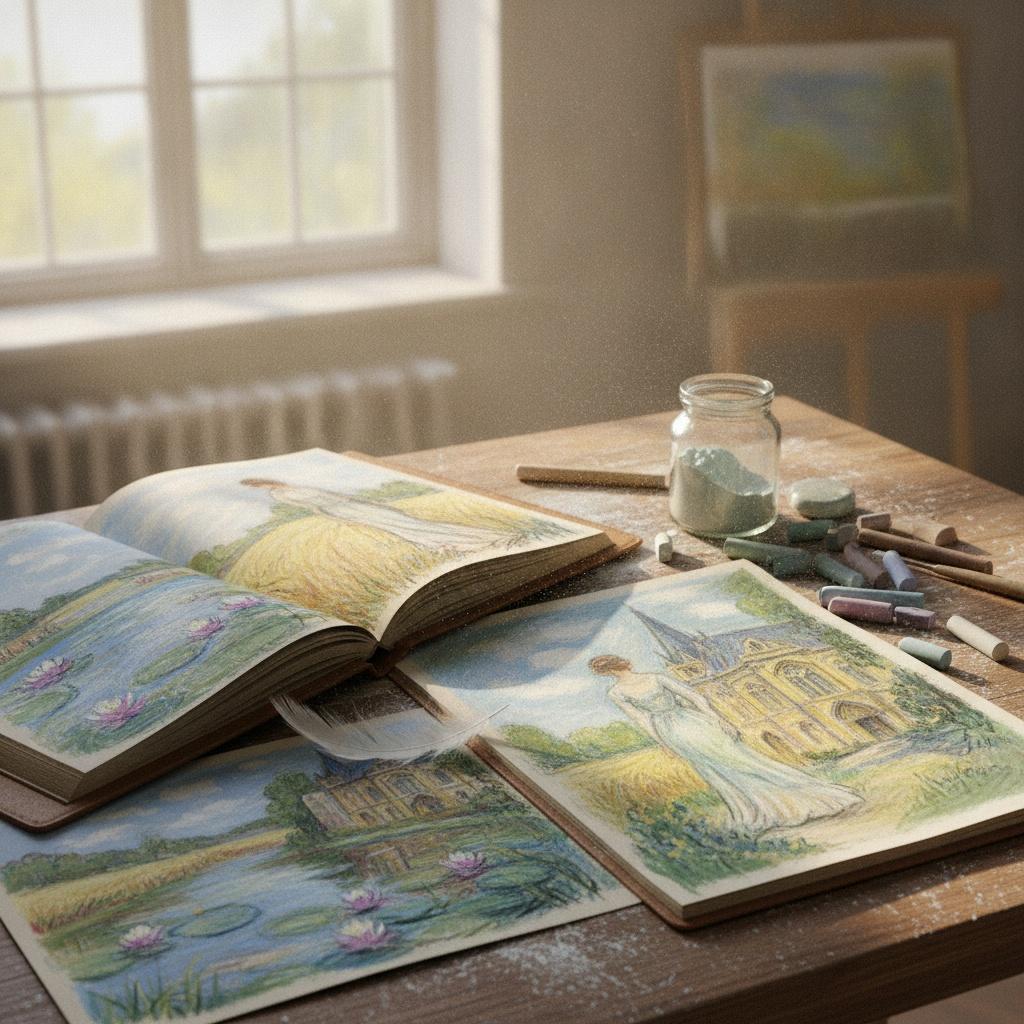
The Soft Magic of Chalk: Capturing Light, Texture, and the Ethereal Soul of Impressionist Masterpieces
Discover the ethereal beauty of pastel and chalk art. Explore how Impressionist masters like Van Gogh and Degas captured light and texture to create timeless, soulful masterpieces for the discerning collector.