
从与原作比例一致的预设尺寸中进行选择。

您可以输入自定义尺寸,以适配特定的画框或空间。如果所选尺寸与原图比例不符,我们将通过裁剪作品或添加手绘元素来扩展画面。数字样稿将在制作开始前发送给您确认。
请注意,屏幕预览无法准确反映实际的裁剪或扩展效果,只有样稿才能真实呈现最终的构图。
虽然我们提供定制尺寸服务,但为了保留原作比例,建议您从预设列表中选择尺寸。

Suprematic elements
复制品尺寸
Kazimir Malevich's "Suprematic Elements," painted in 1917, isn’t merely a depiction of geometric forms; it’s a profound statement about the very nature of art and human perception. Born in Kyiv Oblast, Ukraine, in 1878, Malevich embarked on a revolutionary artistic journey that would forever alter the landscape of 20th-century art. His early explorations encompassed Impressionism, Symbolism, and Cubism, but it was his encounter with the burgeoning avant-garde movements of Europe – particularly in Paris – that ignited his desire to strip away representational imagery and delve into the realm of pure feeling. “Suprematic Elements” stands as a pivotal example of this radical shift, embodying the core tenets of Suprematism: a movement dedicated to reducing art to its most fundamental geometric forms, divorced from any connection to the external world.
The photograph presented here captures a study in stark simplicity – a black and white composition dominated by circles and triangles arranged against a neutral background. The central element is a large circle, bisected by a smaller circle, creating an immediate visual hierarchy that draws the eye inward. Surrounding this core form are other geometric shapes—rectangles and triangles—that contribute to a dynamic yet balanced arrangement. Notice how these forms appear to float within the frame, lacking any conventional spatial relationships; they exist purely as elements of shape and color, devoid of illusionistic depth. This deliberate flattening of space is characteristic of Suprematism’s rejection of traditional perspective, prioritizing instead the inherent qualities of form itself.
Malevich's artistic philosophy centered on the belief that art should transcend objective representation and tap directly into the viewer’s emotional experience. He sought to create a “zero degree” of painting—a state where color and form are divorced from any reference to the external world, allowing pure feeling to emerge. "Suprematic Elements" exemplifies this pursuit. The monochromatic palette – shades of gray rendered in black and white photography – amplifies the impact of the shapes themselves. The precise lines defining each geometric element convey a sense of order and control, while subtle variations in tone suggest the artist’s hand—perhaps graphite or charcoal applied to paper. This tactile quality hints at the physicality of the original work, grounding its abstract concepts in a tangible reality.
While seemingly devoid of overt symbolism, “Suprematic Elements” invites contemplation on deeper meanings. The circles, often associated with wholeness, infinity, and the cosmos, could represent Malevich’s aspiration for a universal artistic language. Conversely, the triangles—symbols of dynamism, tension, and even spirituality—suggest an underlying energy within the composition. The interplay between these fundamental shapes creates a visual dialogue that transcends simple geometric arrangement. It's important to remember that Suprematism wasn’t about literal representation; it was about expressing pure feeling through the reduction of art to its most essential elements. The artist aimed to evoke a response in the viewer, prompting them to engage with the work on an emotional and intellectual level.
Created during a period of immense social and political upheaval—the aftermath of World War I and the rise of the Bolshevik Revolution—"Suprematic Elements" reflects the radical spirit of its time. Malevich’s artistic explorations aligned with broader cultural shifts, challenging established conventions and seeking to redefine the role of art in society. His work profoundly influenced subsequent movements, including Constructivism and De Stijl, demonstrating the lasting impact of his pioneering approach. Reproductions like this offer a window into a pivotal moment in art history, allowing us to appreciate Malevich’s revolutionary vision and its continuing relevance today. Consider how these fundamental geometric forms resonate within contemporary design—from minimalist architecture to graphic layouts—a testament to the enduring power of Suprematism.

1878 - 1935 , 乌克兰

Explore the evolution of geometric abstraction in art history, from Cubism to contemporary masters like Kandinsky & Rothko. Expert insights for discerning collectors and enthusiasts.

Explore the captivating history of geometric abstraction, from its revolutionary origins to contemporary masters. Expert insights for art collectors & investors. Discover key artists and build your collection with TopImpressionists.

探索卡济米尔·马列维奇25幅至上主义杰作!深入了解抽象艺术的起源、黑色正方形背后的故事,以及如何用现代艺术提升您的家居装饰。TopImpressionists.com提供博物馆级艺术复制品,点亮您的空间。立即在线探索完整系列!

Explore the evolution of geometric abstraction from Cubism to contemporary art. Discover key artists like Malevich & Mondrian, investment insights, and expert collecting advice at TopImpressionists.
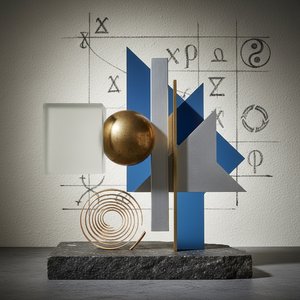
探索几何抽象艺术的深层哲学与历史渊源。深入了解马列维奇、康定斯基等大师的作品,以及其对现代艺术的影响。TopImpressionists.com提供高品质油画复制和专业艺术咨询服务,助您收藏经典。


第一时间获取最新的艺术新闻、独家优惠及装饰灵感。
向我们介绍您的项目需求,我们的艺术专家将为您提供 3 个个性化的艺术品推荐。
由我们的专家为您精选 3 款心仪之作 —— 完全免费!


 效果预览
效果预览
 切换至印刷版
 分享
分享 分享
分享
 详情
详情

 下载
下载
 相似作品
相似作品 X射线
X射线 幻灯片播放
幻灯片播放

 展开详情
展开详情






































 玻璃选项仅适用于110厘米以下的尺寸。


