


 实景预览
实景预览
 发送
发送 分享
分享
 详情
详情 指南
指南

 下载图片
下载图片
 相似作品
相似作品 X射线
X射线 幻灯片播放
幻灯片播放 统计数据
统计数据Mowing

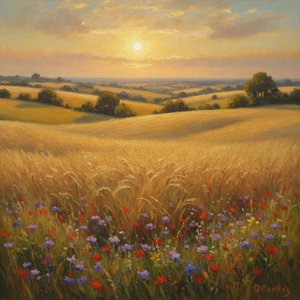
Discover Laureano Barrau’s ‘Mowing,’ an Impressionistic masterpiece capturing rural Spain’s beauty. Explore warm colors, loose brushstrokes & nostalgic scenes of harvest life.
Discover Laureano Barrau’s Impressionist paintings of Ibiza & Spain. Explore serene landscapes, portraits, and iconic works from this Spanish master.
 阅读全文
阅读全文
艺术微喷/版画
博物馆级艺术微喷或帆布版画,制作高效,并提供多种饰面选择。 ( 订购此收藏品的纯手工复刻画作 切换至数字图像销售渠道)




































标准尺寸
定制
CM
INCH
您可以从与原作比例一致的预设尺寸中进行选择。
Loading sizes...

宽度
高度
请输入您所需的宽度和高度,以适配您的画框或墙面。由于印刷品只能进行裁剪,无法超出原图尺寸,因此若比例不一致,画面的一部分将会被裁切。在正式印刷之前,我们会为您发送一份数字效果图供您确认。本页面显示的图片并非最终裁剪后的效果——只有效果图才能展示真实的裁剪情况。


 玻璃选项仅适用于110厘米以下的尺寸。

Mowing
艺术微喷/版画
复刻品尺寸说明
-


总计金额
¥ 463
相关艺术品


艺术家简介
The Radiant Soul of Spanish Impressionism
Laureano Barrau Buñol stands as a luminous figure in the history of Spanish Impressionism, an artist whose brush possessed the rare ability to capture not just the light of the Mediterranean, but the very soul of the landscapes he inhabited. Born in Barcelona in 1863, Barrau’s artistic journey was one of profound movement and cultural immersion. His early years were rooted in the classical traditions of his homeland, beginning with studies under Antonio Caba in Barcelona before moving to Madrid. It was in the Spanish capital that he first encountered the weight and majesty of the old masters, absorbing the stylistic nuances of legends like Velázquez and Zurbarán. This rigorous foundation in anatomical precision and tonal depth would later serve as the structural skeleton upon which he draped his more fluid, impressionistic visions.
The trajectory of Barrau’s life changed irrevocably when, at the age of twenty, he ventured to Paris. This relocation proved to be the most decisive chapter of his development. Enrolling at the prestigious Académie des Beaux-Arts, he came under the tutelage of Jean-Léon Gérôme, a master of academic precision. While this training instilled in him a disciplined hand, the vibrant, revolutionary atmosphere of Paris simultaneously beckoned him toward a new way of seeing. The city’s intellectual ferment allowed him to bridge the gap between classical rigor and the burgeoning Impressionist movement. His talent was soon recognized on a grand scale; winning the Prix de Rome in Barcelona granted him the invaluable opportunity to spend three years studying the great Italian Renaissance masters, an experience that infused his work with a timeless, classical grace even as he embraced modern light.
A Mastery of Light and Atmosphere
As Barrau matured, his work transitioned from the structured academicism of his youth toward a breathtaking celebration of atmosphere and color. By the age of twenty-eight, he had achieved significant professional prestige, becoming a member of the Société Nationale des Beaux-Arts in Paris. His presence at the annual Paris Salon was marked by critical acclaim; notably, the critic Paul Adam once remarked that Barrau’s canvases captured the truth of strong sunlight so effectively that they seemed to illuminate the entire gallery. This ability to embody radiance became his signature. Whether depicting the gentle movement of a stream or the sun-drenched fields of rural Spain, his technique utilized loose, expressive brushstrokes and a warm palette to evoke the sensory experience of heat, wind, and light.
His repertoire was remarkably diverse, ranging from intimate portraits to sweeping landscapes. As a portraitist, he was highly sought after by European nobility and intellectuals, capturing the likenesses of figures such as the Comte and Comtesse de Lastours with a sophisticated touch. Yet, it was in his landscapes that his heart truly resided. His works often captured:
- The nostalgic, golden hues of Spanish harvests, as seen in masterpieces like Mowing.
- The shimmering, sensual charm of coastal scenes, exemplified by the evocative After The Swim.
- The vibrant, rhythmic life of the Mediterranean, where light and shadow dance across the canvas.
The Ibiza Years and Eternal Legacy
Perhaps the most transformative period of Barrau’s life began at age forty-seven, when he and his wife, Berta Vallier, moved to the picturesque island of Ibiza. Settling in the town of Santa Eulària del Río, Barrau found himself in a landscape that felt like a revelation. The unique light, the distinct customs, and the rugged beauty of the Balearic Islands became the primary muses for what many consider his finest work. In Ibiza, the Impressionist spirit reached its zenith; his paintings became more deeply intertwined with the local essence, capturing the island's tranquil beauty with an almost spiritual sensitivity.
Throughout his long life, which spanned until 1957, Barrau’s influence radiated far beyond the borders of Spain. His paintings earned medals in major European cities and found homes in prestigious museums across the globe, from Paris and Brussels to Buenos Aires, Montevideo, and Rio de Janeiro. He remains a pivotal figure for those studying the evolution of Spanish art, representing a perfect synthesis of classical training and Impressionist innovation. Today, his legacy lives on through canvases that continue to breathe with the warmth of the sun and the enduring peace of the Mediterranean coast, reminding us of a time when paint could truly capture the radiance of existence.

Laureano Barrau
1863 - 1957 , Spain
快速概览
- Artistic Movement Or Style: Impressionism
- Artists Or Movements Influenced By This Artist: ['Old Masters']
- Artists Who Influenced This Artist: ['Gerome']
- Date Of Birth: 1863
- Date Of Death: 1957
- Full Name: Laureano Barrau Buñol
- Nationality: Spanish
- Notable Artworks:
- Mowing
- After The Swim
- Place Of Birth: Barcelona, Spain
相关文章
Golden Fields & Sun-Drenched Meadows: Capturing the Soul of Impressionist Landscapes
Immerse yourself in the luminous world of Impressionist landscapes. Discover how masters like Monet and Gauguin captured ephemeral light through plein air painting, and learn to bring the soul of sun-drenched meadows into your home with exquisite, hand-painted oil reproductions.

Harvesting Light: Exploring the Eternal Soul of the Farmer in Impressionist Masterpieces
Immerse yourself in the soulful landscapes of Impressionism. From Van Gogh’s rural toil to Renoir’s sun-drenched fields, discover the beauty of the harvest through our exquisite, hand-painted oil reproductions. Expertly crafted for true art lovers at TopImpressionists.com.

Capturing the Soul: The Most Emotionally Moving Impressionist and Post-Impressionist Masterpieces
Discover the profound emotional depth of Impressionist and Post-Impressionist masterpieces. Explore how legends like Monet, Van Gogh, and Gauguin captured light and soul through evocative landscapes and vibrant brushwork for a timeless connection to art history.

Modern Soul, Timeless Light: Bringing the Magic of Impressionist Masterpieces into Contemporary Interiors
Discover how to infuse contemporary spaces with the luminous magic of Impressionism. From Monet's light to Renoir's warmth, learn expert tips for styling hand-painted masterpieces and custom art reproductions in your modern home.

Capturing Contemplation: The Most Thoughtful Impressionist Masterpieces
Explore the profound emotional depth of Impressionist and Post-Impressionist masterpieces. From Renoir's tranquil landscapes to Van Gogh's vibrant soul, discover how these legendary artists captured the essence of contemplation through light, color, and texture.