


从与原作比例一致的预设尺寸中进行选择。

您可以输入自定义尺寸,以适配特定的画框或空间。如果您选择的尺寸与原图比例不符,我们将对作品进行裁剪,或通过镜像填充/纯色填充边缘的方式来扩展图像。在开始制作之前,我们会向您发送一份数字效果图供您确认。
请注意,屏幕上的预览并不能反映实际的裁剪或扩展效果。只有效果图才能准确展示最终的构图。
虽然我们提供定制尺寸,但为了保持原图比例,我们建议您从预设列表中选择尺寸。

Self portrait
复制品尺寸
Born in Woerden, Netherlands, in 1881, Leo Gestel’s life was inextricably linked to the world of art from a young age. His father, Willem Gestel, was a respected artist and director of an art school, while his uncle, Dimmen Gestel, had even collaborated with Vincent van Gogh – a lineage that undoubtedly shaped Leo's artistic trajectory. Early financial difficulties forced him into advertising work for companies like Philips, a pragmatic necessity that nonetheless provided exposure to visual communication and design, skills he would later integrate into his paintings. Gestel’s journey wasn’t one of immediate recognition; it was a gradual evolution through various movements, reflecting the dynamism of early 20th-century art.
A pivotal moment in Gestel's artistic development occurred during his time in Paris. Immersed in the vibrant avant-garde scene, he encountered artists pushing boundaries with cubism, expressionism, and futurism – movements that profoundly impacted his own style. The influence of Herwarth Walden’s “Erster Deutscher Herbstsalon” in 1913 proved particularly significant, offering him a platform to showcase his evolving work alongside other innovative European artists. This exposure ignited a desire for experimentation and a willingness to break from traditional artistic conventions.
Gestel’s oeuvre is remarkably diverse, encompassing landscapes, evocative self-portraits, and meticulously rendered still lifes. He wasn't confined to a single style; instead, he masterfully blended influences, creating works that are both intensely personal and broadly representative of the era. His self-portraits, in particular, offer intimate glimpses into his psyche – often characterized by a quiet confidence juxtaposed with moments of introspective contemplation. Landscapes frequently feature dramatic lighting and atmospheric effects, while his still lifes—particularly those depicting gladioli—burst with vibrant color and dynamic energy, showcasing an early embrace of Fauvist principles.
A devastating event marked a turning point in Gestel’s career: a studio fire in 1929 resulted in the loss of nearly all his paintings. This catastrophe forced him to relocate to Blaricum, where he continued to paint, albeit with a diminished output and a renewed sense of urgency. Despite this setback, Gestel remained committed to exploring new techniques and pushing the boundaries of his artistic vision. The fire served as a catalyst for introspection and experimentation, leading to works that retain a raw emotional intensity.
Leo Gestel’s contribution to Dutch modernism is undeniable. His work, characterized by its bold colors, expressive brushwork, and exploration of psychological themes, holds a significant place in the country's artistic heritage. His paintings are now housed in prominent museums across the Netherlands, including the Stedelijk Museum Alkmaar, the Drents Museum, and the Kröller-Müller Museum, ensuring that his legacy continues to inspire and captivate audiences. Gestel’s willingness to embrace diverse influences and his unwavering commitment to artistic innovation cemented his position as a pivotal figure in the development of 20th-century art.

1881 - 1941 , Netherlands

深入探索二十世纪初达达主义的反艺术革命,解读杜尚现成品背后的哲学思辨与康德理性批判的影响。TopImpressionists为您提供专业的艺术品鉴赏、定制复制及收藏咨询服务。

Explore the captivating landscapes & portraits of Brian Hatton (1887-1916), a promising British artist lost too soon. Discover his unique style, Herefordshire roots, and lasting legacy in early 20th-century art.

深入探索二十世纪初美国现实主义绘画的社会批判与艺术创新。了解“八人”、“灰罐派”等先驱运动,以及大萧条时期对工人阶级生活的深刻描绘。TopImpressionists提供高品质油画复制、定制服务和专业艺术咨询。
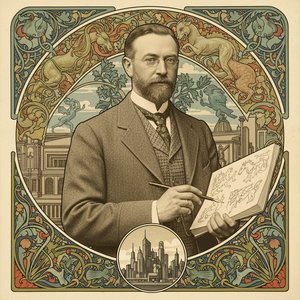
Explore the life & work of Sir Daniel Macnee, a leading Scottish portrait and landscape painter. Discover his artistic evolution, influences, and legacy in 19th-century British art. Learn more at TopImpressionists.

Explore the revolutionary artistic transformations of early 20th-century painting – Fauvism, Cubism & more. Discover key artists and movements shaping modern art history with TopImpressionists.


第一时间获取最新的艺术新闻、独家优惠及装饰灵感。
向我们介绍您的项目需求,我们的艺术专家将为您提供 3 个个性化的艺术品推荐。
由我们的专家为您精选 3 款心仪之作 —— 完全免费!
 定制手绘复刻品
 分享
分享 分享
分享
 详情
详情

 下载
下载
 相似作品
相似作品 X射线
X射线 幻灯片播放
幻灯片播放
 展开详情
展开详情






































 玻璃选项仅适用于110厘米以下的尺寸。


