


 实景预览
实景预览
 发送
发送 分享
分享
 详情
详情 指南
指南

 下载图片
下载图片
 相似作品
相似作品 X射线
X射线 幻灯片播放
幻灯片播放 统计数据
统计数据A River Scene (triptych)
 Impressionism
 1945
1945 59.0 x 164.0 cm
Explore 'A River Scene' by Leopold Pascal (1945), an atmospheric triptych showcasing Impressionistic landscapes of nature & tranquility. Discover its serene beauty & painterly texture.
Discover Leopold Pascal’s evocative landscapes & scenes of Brittany & Chelsea. Explore his atmospheric paintings reflecting light & nature's beauty.
 阅读全文
阅读全文
手工油画复制品
由我们的艺术家按需定制,为您提供您所选尺寸及画框的布面手工油画。 ( 切换至版画销售渠道 切换至数字图像销售渠道)




































标准尺寸
定制
CM
INCH
您可以从与原作比例一致的预设尺寸中进行选择。
Loading sizes...

宽度
高度
您可以输入自定义尺寸,以适配特定的画框或空间。如果所选尺寸与原图比例不符,我们将通过裁剪作品或添加手绘元素来扩展画面。数字样稿将在制作开始前发送给您确认。
请注意,屏幕预览无法准确反映实际的裁剪或扩展效果,只有样稿才能真实呈现最终的构图。
虽然我们提供定制尺寸服务,但为了保留原作比例,建议您从预设列表中选择尺寸。
可定制示例:将面部替换为客户照片;添加宠物(例如,将猫替换为狗);在背景中加入隐藏信息;更改背景风景或元素。
下单后,TopImpressionists.com 团队将通过电子邮件联系客户获取具体要求,并提供效果预览图
下单后,TopImpressionists.com 团队将通过电子邮件联系客户获取具体要求,并提供效果预览图


 玻璃选项仅适用于110厘米以下的尺寸。

A River Scene (triptych)
复制品材质
复刻品尺寸说明
-


总计金额
$ 269


艺术家简介
The Luminous Shadows of Léopold Pascal
To encounter the work of Léopold Pascal is to step into a world where the boundaries between the physical landscape and the human psyche begin to dissolve. Born in 1900, Pascal was an artist who existed in the delicate tension between two great movements: the light-drenched observations of Impressionism and the raw, emotive power of Expressionism. While his roots trace back to a formative period of study at Harvard University, it was his deep immersion in the European landscape that truly forged his artistic soul. His journey through France and Italy allowed him to absorb the ancient traditions of light and color, yet he never merely imitated the masters; instead, he sought to capture the very breath of the atmosphere, imbuing every canvas with a sense of profound solitude and the sublime.
The foundation of Pascal’s technique was laid under the watchful eye of Eugène Boudin, a titan of Impressionism. From Boudin, Pascal inherited the sacred discipline of plein air painting—the practice of working directly from nature to catch the fleeting nuances of a passing cloud or the shifting glow of twilight. However, where Boudin sought the clarity of light, Pascal pursued its emotional weight. He developed a masterful command over impasto, applying paint with such thickness and vigor that his landscapes became tactile, sculptural entities. These heavy textures were not merely aesthetic choices; they served as a physical manifestation of the turbulent inner landscapes he wished to portray, turning a simple river scene or a winter street into a visceral experience of texture and movement.
A Palette of Atmosphere and Emotion
Pascal’s visual language is defined by a sophisticated interplay of muted serenity and sudden, vibrant energy. His preferred palette often leaned toward the somber and the contemplative—earthy ochres, deep browns, and misty greys that evoke the quietude of a foggy morning in Brittany or the hushed stillness of a London winter. Yet, within these subdued tones, he would strategically place flashes of brilliant pigment, mimicking the way sunlight pieradamente pierces through a heavy canopy or breaks through a storm. This technique allowed him to capture the ephemeral nature of beauty, reminding the viewer that even in the most melancholic settings, there is a persistent, flickering light.
His subject matter often reflected his personal connection to specific geographies, ranging from the rugged, salt-sprayed coasts of France to the urban winterscapes of London. Notable works such as Snow in Chelsea demonstrate his ability to transform a cityscape into a study of quietude and texture, while his triptychs, like A River Scene, showcase his capacity for narrative depth through landscape. Through these works, Pascal explored themes that resonated deeply with the human condition:
- Solitude: The quiet, reflective state of being alone within nature's vastness.
- The Sublime: A fascination with the overwhelming grandeur and inherent vulnerability of the natural world.
- Transience: The capturing of moments that are inherently fleeting, such as the changing light at dusk.
Legacy and Historical Significance
Though his life was relatively short, ending in 1958, Pascal left behind a body of work that serves as a vital bridge between eras. He was an artist who could honor the observational truth of the 19th century while embracing the psychological complexity of the 20th. His ability to marry the luminous qualities of his predecessors with a modern, expressive intensity ensured that his landscapes were never merely topographical; they were emotional portraits of the earth itself. Today, his work remains a testament to the power of the painterly touch and the enduring ability of art to find profound meaning in the subtle shifts of light and shadow.

léopold pascal
1900 - 1958
快速概览
- Artistic Movement Or Style: Impressionism
- Artists Or Movements Influenced By This Artist: ['Egon Schiele']
- Artists Who Influenced This Artist:
- Claude Monet
- Pierre-Auguste Renoir
- Date Of Death: 1958
- Full Name: Leopold Pascal
- Nationality: British
- Notable Artworks:
- Snow in Chelsea
- A River Scene (triptych)
- La Grand'Rue, Morlaix
- Place Of Birth: Cambridge, England
相关文章

Beyond the Light: Capturing Raw Emotion and Subjective Vision in Post-Impressionist Landscapes
Explore the profound emotional depth of Post-Impressionist landscapes. Discover how masters like Van Gogh moved beyond light to capture raw human feeling through vibrant color and expressive texture in this expert art history retrospective.

Capturing the Soul: The Most Emotionally Moving Impressionist and Post-Impressionist Masterpieces
Discover the profound emotional depth of Impressionist and Post-Impressionist masterpieces. Explore how legends like Monet, Van Gogh, and Gauguin captured light and soul through evocative landscapes and vibrant brushwork for a timeless connection to art history.
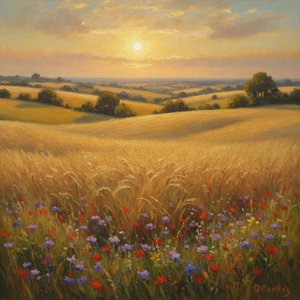
Golden Fields & Sun-Drenched Meadows: Capturing the Soul of Impressionist Landscapes
Immerse yourself in the luminous world of Impressionist landscapes. Discover how masters like Monet and Gauguin captured ephemeral light through plein air painting, and learn to bring the soul of sun-drenched meadows into your home with exquisite, hand-painted oil reproductions.

The Beauty of Impermanence: Capturing Decay through Impressionist Eyes
Explore the profound beauty of impermanence through Impressionist and Post-Impressionist eyes. Discover how masters like Monet and Van Gogh captured fleeting light and the poetic essence of nature's transitions in our deep dive into art history and emotional landscapes.

The Timeless Charm of Oil on Board: Reimagining Texture and Light through the Impressionist Lens
Discover the profound intimacy of oil on panel. Explore how Impressionist masters used rigid supports to capture light, texture, and impasto depth through exquisite, handmade oil reproductions for discerning collectors.