

 实景预览
实景预览
 发送
发送 分享
分享
 详情
详情 指南
指南

 下载图片
下载图片
 相似作品
相似作品 X射线
X射线 幻灯片播放
幻灯片播放 统计数据
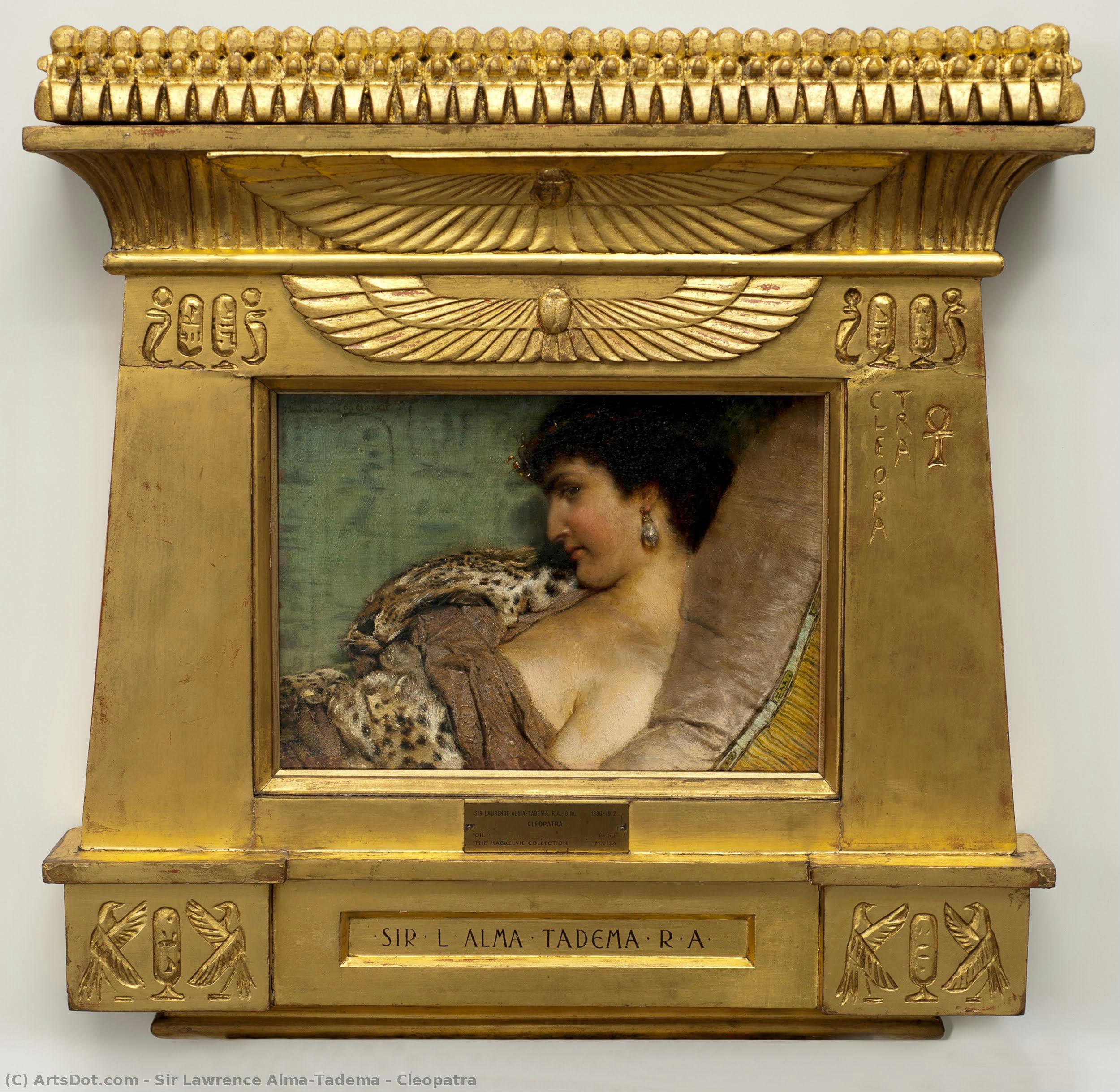
统计数据Cleopatra
 Acrylic On Canvas
- WallArt
- Victorian Romanticism
 1877
1877 46.0 x 44.0 cm
 奥克兰美术馆 Toi o Tāmaki
Admire Lawrence Alma-Tadema's iconic depiction of Cleopatra and Antony’s opulent meeting! Explore the masterful detail & dramatic lighting capturing a pivotal moment in history – a timeless masterpiece.
 阅读全文
阅读全文
荷兰维多利亚时代画家劳伦斯·阿尔玛-塔德马 (1836–1912),以其华丽的罗马室内场景和一丝不苟的古典细节而闻名。他擅长光影运用,再现古罗马生活风貌,是学术绘画的杰出代表,对后世艺术及文化产生了深远影响。
艺术微喷/版画
博物馆级艺术微喷或帆布版画,制作高效,并提供多种饰面选择。 ( 订购此收藏品的纯手工复刻画作 切换至数字图像销售渠道)




P118B ¥10

P118H ¥10

P118W ¥10

P438Z ¥10

P508JH ¥12

P508YH ¥12

P805H ¥10

P805Z ¥10

P919BZ ¥10

P919G ¥10

P919XJ ¥10

P959ZH ¥10

P968JZ ¥12

W106C ¥8

W218G ¥10

W218JH ¥8

W218Y ¥10

W307PJ ¥10

W316G ¥10

W316PJ ¥8

W316Y ¥10

W398PJ ¥8

W4111J ¥10

W500HY ¥15

W500JH ¥15

W692G ¥12

W849H ¥8

W940BG ¥15

W953PJ ¥8




标准尺寸
定制
CM
INCH
您可以从与原作比例一致的预设尺寸中进行选择。
Loading sizes...

宽度
高度
请输入您所需的宽度和高度,以适配您的画框或墙面。由于印刷品只能进行裁剪,无法超出原图尺寸,因此若比例不一致,画面的一部分将会被裁切。在正式印刷之前,我们会为您发送一份数字效果图供您确认。本页面显示的图片并非最终裁剪后的效果——只有效果图才能展示真实的裁剪情况。


 玻璃选项仅适用于110厘米以下的尺寸。

Cleopatra
艺术微喷/版画
复刻品尺寸说明
-


总计金额
¥ 464
A Portrait of Power and Intrigue: Exploring Alma Tadema’s Cleopatra
Lawrence Alma-Tadema's "The Meeting of Antony and Cleopatra," completed in 1877, transcends mere depiction; it embodies the opulent drama of Shakespeare’s iconic tale. More than just a visual record of history, this monumental oil painting delves into psychological complexities and artistic innovation—a testament to Tadema’s mastery of capturing both grandeur and subtle emotion. The artwork's enduring fascination stems from its meticulous attention to detail and its ability to convey the palpable tension between ambition and desire.- Subject Matter: The scene portrays Antony and Cleopatra seated at a banquet table, immediately after Cleopatra unveils her audacious gesture—dissolving an earring in wine as a challenge to Antony’s prowess. This moment encapsulates the crux of Shakespeare's narrative and Tadema brilliantly translates it onto canvas.
- Style & Technique: Tadema adhered rigorously to academic conventions, prioritizing realism and meticulous observation. His technique involved layering thin glazes over toned ground, achieving remarkable luminosity and capturing the textures of fabrics—the sumptuous silks and velvets adorning Cleopatra’s attire are particularly noteworthy. The artist skillfully employs chiaroscuro – dramatic contrasts between light and dark – to sculpt the figures and heighten the theatrical atmosphere.
- Historical Context: Painted during the Victorian era, “The Meeting” reflects a fascination with classical antiquity and Roman decadence. Tadema meticulously researched historical costumes and interiors, striving for accuracy that would impress discerning audiences. The painting speaks to anxieties about social morality alongside an appreciation for beauty and luxury—a characteristic blend of Victorian sensibilities.
- Symbolism: Cleopatra’s gesture is laden with symbolic significance. It represents her defiance of convention and her calculated manipulation of Antony's ego, highlighting her intelligence and cunning. The wine symbolizes indulgence and the ephemeral nature of pleasure, mirroring the doomed romance at its core. Furthermore, the opulent setting underscores the vast disparity between power and vulnerability.
- Emotional Impact: Tadema’s masterful composition compels viewers to contemplate the psychological dynamics between Antony and Cleopatra. The gaze exchanges convey unspoken desires and anxieties—a subtle yet powerful portrayal of human emotion. The painting evokes a sense of grandeur, mystery, and ultimately, tragedy, cementing its place as one of Alma-Tadema's most celebrated achievements.
A Closer Examination: Detail and Composition
The artist’s dedication to realism is evident in every brushstroke. Observe the painstaking rendering of Cleopatra’s jewelry—the pearl earring, painstakingly dissolved in wine—a symbol of her audacious challenge. Tadema's use of color palettes contributes significantly to the painting's mood; cool blues and greens dominate the background, contrasting sharply with the warm hues of Antony’s robes and Cleopatra’s skin tones. The positioning of the figures—Cleopatra seated centrally, Antony slightly angled—creates a dynamic interplay between dominance and vulnerability.Alma Tadema’s Legacy: Influence and Recognition
Lawrence Alma-Tadema remains an influential figure in Victorian art history. His meticulous approach to depicting classical subjects established him as a pioneer of academic painting, influencing generations of artists. Despite fading popularity during the 20th century, Tadema's work experienced a revival in recent decades, appreciated for its artistic merit and its ability to transport viewers back to a bygone era. Reproductions of “The Meeting” continue to adorn homes and galleries worldwide—a testament to the painting’s enduring beauty and narrative power.Exploring Reproduction Options
TopImpressionists offers high-quality reproductions of Alma Tadema's "The Meeting of Antony and Cleopatra," meticulously crafted to capture the essence of the original masterpiece. Choose from a range of sizes and framing options to elevate your interior décor and immerse yourself in the captivating world of Victorian art history. Discover the timeless allure of this iconic painting today!问答详情
劳伦斯·阿尔玛·塔德玛 的《Cleopatra》 的色彩是如何与其情感表达相联系的?
劳伦斯·阿尔玛·塔德玛 的《Cleopatra》 将 Earthy 色调与 Dramatic 的基调完美融合。
劳伦斯·阿尔玛·塔德玛 的《Cleopatra》 属于哪种艺术流派?
“Cleopatra”是一件Victorian Romanticism时期的作品。该艺术流派指明了作品所属的艺术传统。
建议将 劳伦斯·阿尔玛·塔德玛 的《Cleopatra》 用于何种用途?
劳伦斯·阿尔玛·塔德玛 的《Cleopatra》 的建议用途为 Statement,同时也可用于其他场景。
艺术家简介
早年生活与艺术训练
劳伦斯·阿尔玛·塔德玛,后改为罗伦斯·阿尔玛·塔德玛(1836年出生于荷兰),于1836年1月8日在荷兰弗里泽兰省龙瑞普出生。他的父亲皮埃尔·吉尔特斯·塔德玛是一位村庄公诺师,拥有三个儿子与第一任妻子结婚,母亲林克·迪克斯·布罗乌尔是皮埃尔的第一任妻子的姐妹。塔德玛家族于1838年迁往李沃荷文,皮埃尔的职位作为公诺师将为他带来更大的经济效益。当劳伦斯四岁时父亲去世,留下母亲与五名孩子,其中劳伦斯是一位儿子,以及来自他父亲第一任婚姻的三位儿子。林克·迪克斯·布罗乌尔对艺术怀有热情,决心将绘画课程融入孩子们教育中。 他首先在当地一位雇佣来教导他哥哥的绘画老师那里接受了艺术训练。 这旨在让劳伦斯成为律师;但于1851年他遭受了一场身体和精神崩溃。 他被诊断为肺结核病患者,仅剩的时间可以自由地绘画和创作。 在孤独的情况下他恢复了健康并决定从事艺术职业。 他于1852年进入安特卫普皇家美术学院,学习了早期荷兰和佛兰德斯大师,同时吸收了历史准确性要求的精细细节。 在劳伦斯作为学院注册学生期间,他获得了多个值得称赞的奖项。 在离开学校之前,大约在1855年底,他成为卢伊斯·扬·德·泰耶的助手,后者在他学院里对历史和历史服装课程都给予了极大的喜爱。 德·泰耶向他介绍了影响了他早期职业中表现美罗曼蒂诗意的书籍。 他被鼓励以历史准确性为特征来创作绘画,这是艺术家广为人知的品质。 他于1855年底在伦敦安家落户,迅速成为英国艺术界的常客。古罗马的魅力:美罗曼蒂主义与埃及幻象
劳伦斯·阿尔玛·塔德玛的艺术生涯从对美罗曼蒂主义主题的探索开始——美罗曼蒂主义是罗马帝国衰亡后统治法国的王朝风格。 这些早期作品展现了他日益增长的天才和历史叙事构图能力,但它们并没有获得他后来在伦敦获得的广泛赞誉。 正是这一系列让塔德玛认识到浪漫主义精神最深处的感觉。 他被鼓励以历史准确性为特征来创作绘画,这是艺术家广为人知的品质。 然而美罗曼蒂主义风格并不具有国际上的广泛吸引力,因此他转而表现古埃及生活,然后是古希腊和罗马世界的生活。 这个转变并非偶然;它反映了公众对古罗马的日益增长的热情,这得益于考古发现以及维多利亚时期人们从历史中汲取的道德教训。 他于1855年底在伦敦安家落户,迅速成为英国艺术界的常客。 这让塔德玛拥有了巨大的名声,并获得了无数赞许,其中包括于1909年获得骑士勋章。雕塑大师:细节与光线
塔德玛最伟大的成就在于他对光线的无与伦比的掌握能力。 他不仅仅是画物体;他是在捕捉阳光在马赛克地板上的感觉、罗马阿崔尼姆花园中的水声。 这项技能并非仅仅源于技术技巧; 它还来自对材料的深刻理解。 他仔细研究了古罗马建筑、家具和服装,确保其中每个元素都具有历史准确性。 但除了精确之外,他还拥有惊人的天赋来渲染光线和纹理。 他一丝不苟地研究了古罗马建筑、家具和服装,确保其中每个元素都具有历史准确性。 他还建造了微型模型来模拟他打算画的场景,以确保透视和建筑准确性完美一致。 这项奉献精神并非仅仅是技术技能; 它还源于创造一种视觉现实的幻觉,这种幻觉让观众感觉仿佛回到了另一个时代和地点。 他甚至亲自研究了古罗马建筑、家具和服装,确保其中每个元素都具有历史准确性。 通过对材料的深刻理解,他能够创造出令人难以置信的光线和纹理效果。 这项奉献精神并非仅仅是技术技能; 它还源于创造一种视觉现实的幻觉,这种幻觉让观众感觉仿佛回到了另一个时代和地点。 他还建造了微型模型来模拟他打算画的场景,以确保透视和建筑准确性完美一致。 通过对材料的深刻理解,他能够创造出令人难以置信的光线和纹理效果。 这项奉献精神并非仅仅是技术技能; 它还源于创造一种视觉现实的幻觉,这种幻觉让观众感觉仿佛回到了另一个时代和地点。 他还建造了微型模型来模拟他打算画的场景,以确保透视和建筑准确性完美一致。 通过对材料的深刻理解,他能够创造出令人难以置信的光线和纹理效果。 这项奉献精神并非仅仅是技术技能; 它还源于创造一种视觉现实的幻觉,这种幻觉让观众感觉仿佛回到了另一个时代和地点。 他还建造了微型模型来模拟他打算画的场景,以确保透视和建筑准确性完美一致。 通过对材料的深刻理解,他能够创造出令人难以置信的光线和纹理效果。 这项奉献精神并非仅仅是技术技能; 它还源于创造一种视觉现实的幻觉,这种幻觉让观众感觉仿佛回到了另一个时代和地点。 他还建造了微型模型来模拟他打算画的场景,以确保透视和建筑准确性完美一致。 通过对材料的深刻理解,他能够创造出令人难以置信的光线和纹理效果。 这项奉献精神并非仅仅是技术技能; 它还源于创造一种视觉现实的幻觉,这种幻觉让观众感觉仿佛回到了另一个时代和地点。 他还建造了微型模型来模拟他打算画的场景,以确保透视和建筑准确性完美一致。 通过对材料的深刻理解,他能够创造出令人难以置信的光线和纹理效果。 这项奉献精神并非仅仅是技术技能; 它还源于创造一种视觉现实的幻觉,这种幻觉让观众感觉仿佛回到了另一个时代和地点。 他还建造了微型模型来模拟他打算画的场景,以确保透视和建筑准确性完美一致。 通过对材料的深刻理解,他能够创造出令人难以置信的光线和纹理效果。 这项奉献精神并非仅仅是技术技能; 它还源于创造一种视觉现实的幻觉,这种幻觉让观众感觉仿佛回到了另一个时代和地点。 他还建造了微型模型来模拟他打算画的场景,以确保透视和建筑准确性完美一致。 通过对材料的深刻理解,他能够创造出令人难以置信的光线和纹理效果。 这项奉献精神并非仅仅是技术技能; 它还源于创造一种视觉现实的幻觉,这种幻觉让观众感觉仿佛回到了另一个时代和地点。 他还建造了微型模型来模拟他打算画的场景,以确保透视和建筑准确性完美一致。 通过对材料的深刻理解,他能够创造出令人难以置信的光线和纹理效果。 这项奉献精神并非仅仅是技术技能; 它还源于创造一种视觉现实的幻觉,这种幻觉让观众感觉仿佛回到了另一个时代和地点。 他还建造了微型模型来模拟他打算画的场景,以确保透视和建筑准确性完美一致。 通过对材料的深刻理解,他能够创造出令人难以置信的光线和纹理效果。 这项奉献精神并非仅仅是技术技能; 它还源于创造一种视觉现实的幻觉,这种幻觉让观众感觉仿佛回到了另一个时代和地点。 他还建造了微型模型来模拟他打算画的场景,以确保透视和建筑准确性完美一致。 通过对材料的深刻理解,他能够创造出令人难以置信的光线和纹理效果。 这项奉献精神并非仅仅是技术技能; 它还源于创造一种视觉现实的幻觉,这种幻觉让观众感觉仿佛回到了另一个时代和地点。 他还建造了微型模型来模拟他打算画的场景,以确保透视和建筑准确性完美一致。 通过对材料的深刻理解,他能够创造出令人难以置信的光线和纹理效果。 这项奉献精神并非仅仅是技术技能; 它还源于创造一种视觉现实的幻觉,这种幻觉让观众感觉仿佛回到了另一个时代和地点。 他还建造了微型模型来模拟他打算画的场景,以确保透视和建筑准确性完美一致。 通过对材料的深刻理解,他能够创造出令人难以置信的光线和纹理效果。 这项奉献精神并非仅仅是技术技能; 它还源于创造一种视觉现实
劳伦斯·阿尔玛·塔德玛
1836 - 1912 , 荷兰
快速概览
- Artistic Movement Or Style: 维多利亚绘画风格
- Artists Or Movements Influenced By This Artist: ['浪漫主义']
- Artists Who Influenced This Artist: ['路易斯·扬·德·泰伊']
- Date Of Birth: 1月8日,1836年
- Date Of Death: 6月25日,1912年
- Full Name: Lourens Alma Tadema
- Nationality: 荷兰人
- Notable Artworks: ['《吻》,《请问我无从问》,《视野中的角落']
- Place Of Birth: 荷兰龙瑞普市
相关文章

Sebastiano del Piombo: Bridging Venetian Colorism & Roman Grand Manner Portraiture
Explore the captivating art of Sebastiano del Piombo, a Renaissance master bridging Venetian colorism & Roman grandeur. Discover his iconic portraits and lasting influence on art history. Learn more at TopImpressionists.

Bartolomeo Pinelli: Neoclassical Linearity & Roman Topography of Memory
Explore the captivating world of Bartolomeo Pinelli, a master Italian engraver renowned for his evocative Roman scenes & historical narratives. Discover his art and legacy with TopImpressionists.

Sir Lawrence Alma-Tadema: A Study in Victorian Aestheticism & Classical Antiquity
Explore the captivating world of Sir Lawrence Alma-Tadema, a master of Victorian Aestheticism. Discover his stunning depictions of ancient Rome, artistic techniques, and enduring legacy with TopImpressionists.

Golden Hour on the Nile: Symbolism & Artistic Legacy of Egyptian Sunsets
Explore the rich symbolism of Egyptian sunset paintings & their artistic legacy. Discover how color, ritual, and landscape shaped ancient beliefs – a guide for discerning collectors.

Timeless Grandeur: Capturing the Majesty of Roman Architecture through the Lens of Art History
Explore the profound beauty of Roman architecture through art history. From Piranesi's evocative engravings to classical masterpieces, discover how the grandeur of ancient Rome continues to inspire collectors and art enthusiasts worldwide.


