





























从与原作比例一致的预设尺寸中进行选择。

您可以输入自定义尺寸,以适配特定的画框或空间。如果您选择的尺寸与原图比例不符,我们将对作品进行裁剪,或通过镜像填充/纯色填充边缘的方式来扩展图像。在开始制作之前,我们会向您发送一份数字效果图供您确认。
请注意,屏幕上的预览并不能反映实际的裁剪或扩展效果。只有效果图才能准确展示最终的构图。
虽然我们提供定制尺寸,但为了保持原图比例,我们建议您从预设列表中选择尺寸。

'Study to ''Striking Rock'''
复制品尺寸
Marc Chagall’s “Study to ‘Striking Rock’,” painted in 1963, isn’t merely a depiction of a scene; it’s an immersion into a world brimming with memory, faith, and the vibrant energy of human connection. This pastel masterpiece, rendered on paper, offers a tantalizing preview of the monumental “Striking the Rock” that followed – a work already celebrated for its profound symbolism and spiritual resonance. The study itself possesses a remarkable immediacy, a sense of being captured in the very act of creation. It’s less polished than the final piece, retaining a raw quality that speaks to Chagall's process, his willingness to wrestle with ideas directly on the surface of the paper.
The composition is dominated by a central figure – a man holding what appears to be a guitar – positioned atop a gentle hill. Surrounding him is a lively crowd, rendered in a distinctive Naïve Art style that’s both charmingly primitive and deeply expressive. Notice the loose brushstrokes, the flattened perspective, and the almost childlike quality of the figures; these elements are hallmarks of Chagall's approach, deliberately eschewing academic realism for an intensely personal and emotive visual language. The scene feels less like a carefully constructed tableau and more like a snapshot of a joyous gathering – perhaps a village celebration or a musical performance.
To fully appreciate “Study to ‘Striking Rock’,” it's crucial to understand the profound influence of Chagall’s upbringing in Liozna, Belarus. His Hasidic Jewish heritage deeply shaped his artistic vision, imbuing his work with elements of folklore, biblical narratives, and a potent sense of spirituality. The recurring motifs – flying figures, whimsical animals, and vibrant colors—are not arbitrary; they are echoes of the rich cultural tapestry he absorbed as a child. The hill itself can be interpreted as a symbolic representation of Mount Sinai, referencing the pivotal moment in the Exodus story where Moses received the Ten Commandments. This connection to biblical themes is further reinforced by the implied gesture of the central figure – a potential strike mirroring the act of striking the rock that brought forth water for the Israelites.
The pastel medium itself contributes significantly to the work’s emotional impact. Pastels offer a luminous quality, allowing Chagall to build up layers of color with remarkable subtlety and depth. The warm yellows and oranges dominate the palette, evoking feelings of warmth, joy, and perhaps even a touch of nostalgia. These colors are not simply decorative; they actively contribute to the painting’s spiritual atmosphere, suggesting an underlying current of faith and hope.
Examining the technique reveals much about Chagall's artistic intentions. The figures aren’t sharply defined; instead, they are suggested through a network of lines and colors. This approach creates a sense of fluidity and movement, as if the scene is perpetually unfolding before our eyes. The use of overlapping forms and simplified shapes further enhances this effect, drawing the viewer into the heart of the composition. The guitar held by the central figure is particularly significant – it represents music, community, and perhaps even divine inspiration.
Beyond its immediate visual appeal, “Study to ‘Striking Rock’” invites contemplation about themes of faith, memory, and human connection. It's a testament to Chagall’s ability to distill complex emotions and spiritual ideas into a deceptively simple image. Reproductions from TopImpressionists.com offer an unparalleled opportunity to experience the full beauty and emotional depth of this remarkable work, bringing its dreamlike quality into your home or studio.

1887 - 1985 , 白俄罗斯

Discover the ethereal beauty of pastel art through an Impressionist lens. Explore how masters like Monet and Renoir captured light and velvet textures, and learn to curate a collection of luminous, museum-quality masterpieces for your home.

Discover the profound beauty of Naïve Art. Explore how self-taught masters bypass academic tradition to capture raw emotional truth through vibrant color and soulful simplicity. A cultural journey for the true art lover seeking depth beyond convention.

Embark on an elegant journey through the Rococo era. Discover the delicate beauty of pastel masterpieces, the intricate artistry of 18th-century French masters, and how this era of ornate splendor continues to inspire timeless luxury in fine art collecting.
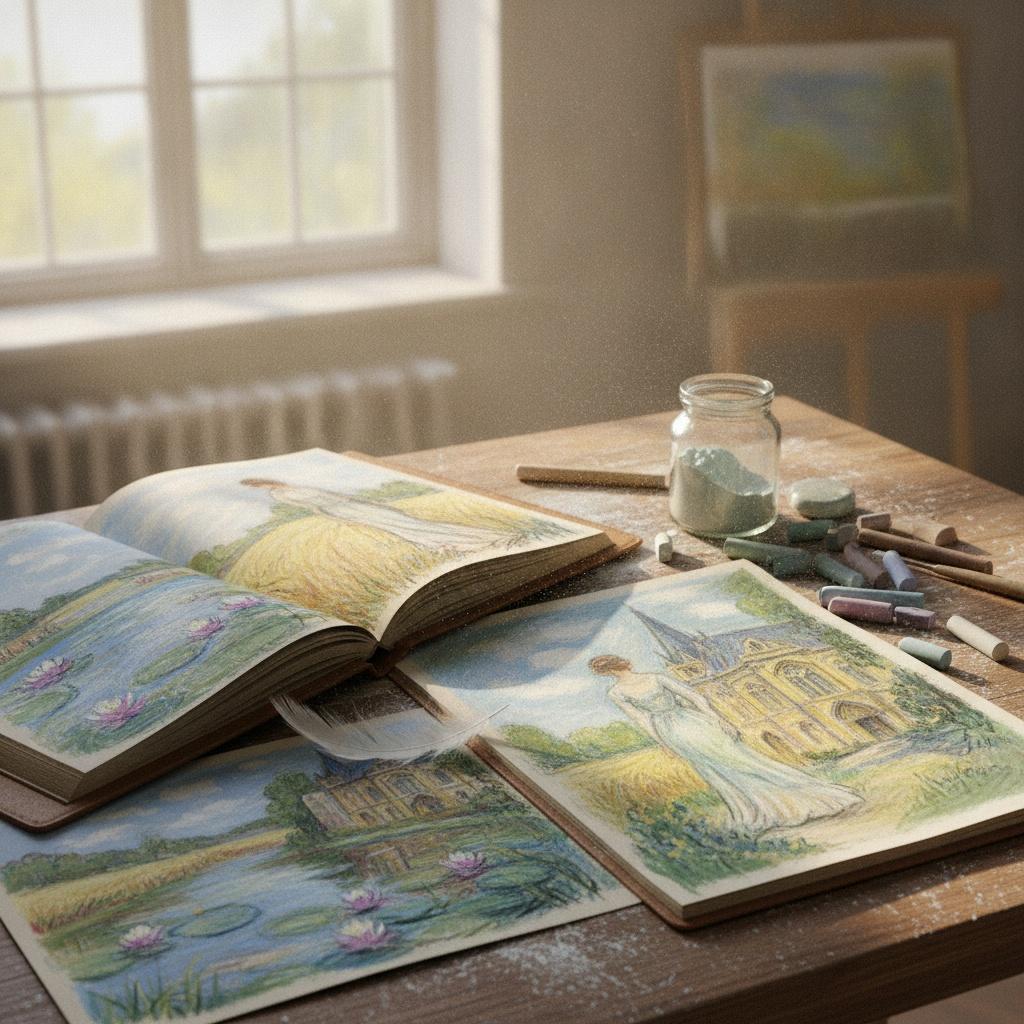
Discover the ethereal beauty of pastel and chalk art. Explore how Impressionist masters like Van Gogh and Degas captured light and texture to create timeless, soulful masterpieces for the discerning collector.

Discover the exquisite world of Rococo portraiture. Explore the delicate beauty of 18th-century French art, from pastel light to graceful asymmetry, and learn how to bring this era of elegance into your home through masterfully hand-painted oil reproductions.


第一时间获取最新的艺术新闻、独家优惠及装饰灵感。
向我们介绍您的项目需求,我们的艺术专家将为您提供 3 个个性化的艺术品推荐。
由我们的专家为您精选 3 款心仪之作 —— 完全免费!


 效果预览
效果预览
 切换至手工绘画版
 分享
分享 分享
分享
 详情
详情

 下载
下载
 相似作品
相似作品 X射线
X射线 幻灯片播放
幻灯片播放

 展开详情
展开详情









 玻璃选项仅适用于110厘米以下的尺寸。


