





























从与原作比例一致的预设尺寸中进行选择。

您可以输入自定义尺寸,以适配特定的画框或空间。如果您选择的尺寸与原图比例不符,我们将对作品进行裁剪,或通过镜像填充/纯色填充边缘的方式来扩展图像。在开始制作之前,我们会向您发送一份数字效果图供您确认。
请注意,屏幕上的预览并不能反映实际的裁剪或扩展效果。只有效果图才能准确展示最终的构图。
虽然我们提供定制尺寸,但为了保持原图比例,我们建议您从预设列表中选择尺寸。

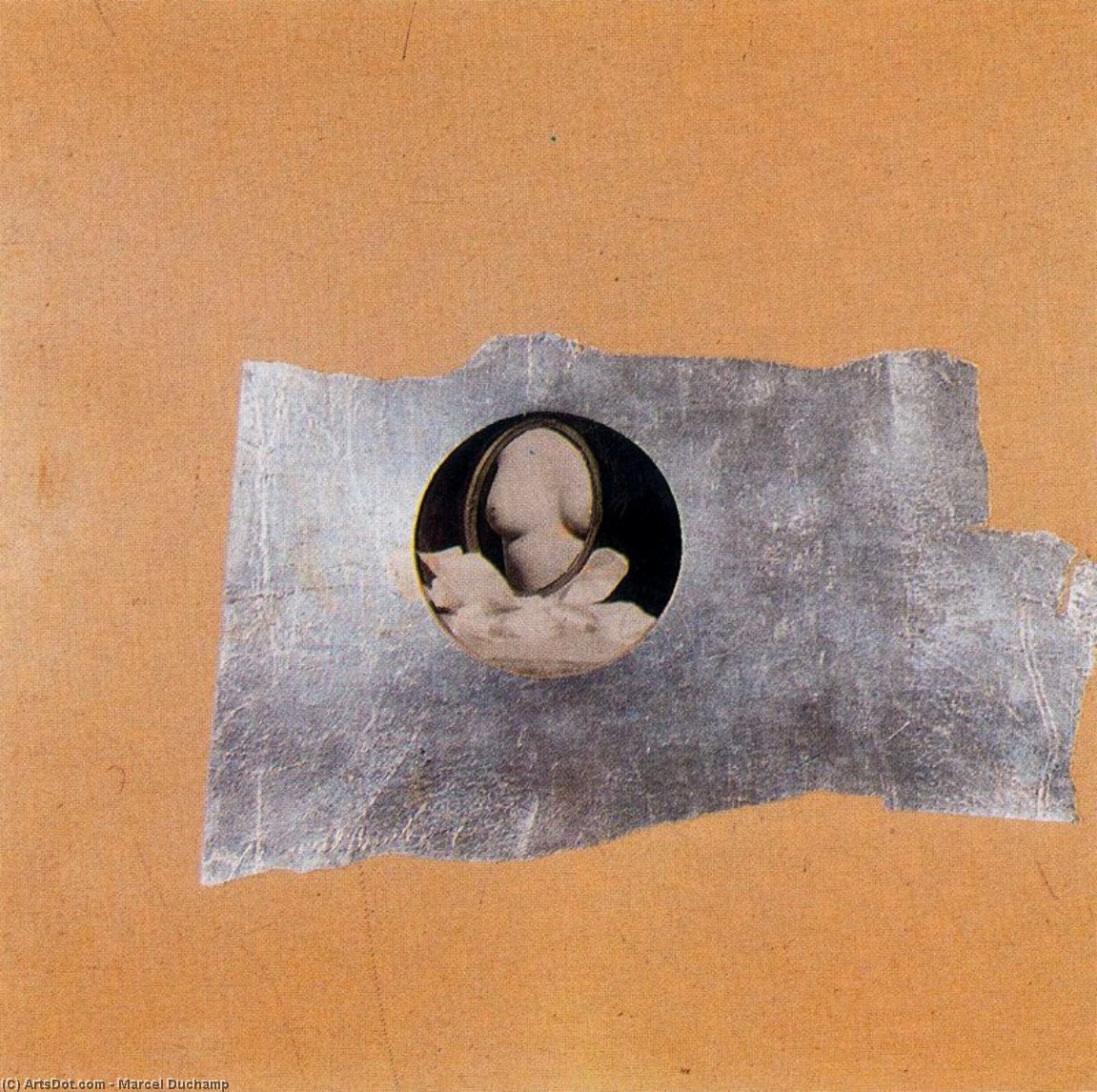
A la manera de Delvaux
复制品尺寸
Marcel Duchamp's *A la manera de Delvaux* (In the Manner of Delvaux) is not a painting in the traditional sense, but rather a meticulously constructed collage that operates as a fascinating echo of Surrealist painter Paul Delvaux. Created in 1942, this work exists as a subtle yet potent exploration of desire, memory, and the unsettling beauty found within the subconscious. It’s a piece born from exile and artistic questioning, reflecting Duchamp's evolving stance towards representation and the very definition of art itself.
The image centers around a poignant scene: a baby, seemingly nursing from a bottle held by a maternal figure. This intimate act is framed within a larger composition populated by shadowy figures, hinting at a narrative that remains tantalizingly out of reach. The sepia tone imbues the work with a nostalgic quality, evoking faded photographs and half-remembered dreams. Duchamp doesn’t attempt to replicate Delvaux's style directly; instead, he *interprets* it, distilling its essence into a fragmented visual poem. He achieves this through the skillful juxtaposition of found imagery – likely cut from magazines or other printed sources – creating a dreamlike atmosphere that is both alluring and disquieting.
To understand *A la manera de Delvaux*, one must consider the artistic climate of the time. Duchamp had already shaken the foundations of the art world with his “readymades” – ordinary manufactured objects elevated to the status of art through sheer force of conceptual intent, most famously exemplified by *Fountain* (1917). By 1942, he was living in New York, having fled Europe during World War II. He found himself amidst a burgeoning Surrealist movement, and while not fully embracing its tenets, he engaged with its ideas about the unconscious mind and the power of irrationality. Delvaux’s paintings, with their eerie depictions of classical architecture populated by nude figures and trains, provided a particularly resonant visual language for Duchamp to explore.
However, *A la manera de Delvaux* isn't merely an homage; it’s a subtle critique. Duchamp wasn’t interested in simply mimicking another artist’s style. He was probing the nature of representation itself. By creating a work “in the manner of” Delvaux, he highlights the act of imitation and questions originality. The collage format further emphasizes this deconstruction, breaking down images into their constituent parts and reassembling them to create something new – or rather, something that *comments* on what already exists. It’s a precursor to his later, more ambitious conceptual works, like *Étant donnés*, where the viewer is confronted with a hidden world revealed through a peephole.
The emotional impact of *A la manera de Delvaux* is subtle but profound. The image evokes feelings of longing, vulnerability, and perhaps even a touch of melancholy. The nursing baby, a universal symbol of innocence and dependence, is rendered with a delicate ambiguity. Is it a scene of comfort or one of quiet desperation? The shadowy figures surrounding the central subject add to this sense of unease, suggesting hidden anxieties and unspoken desires.
For collectors and interior designers, a reproduction of *A la manera de Delvaux* offers a unique opportunity to introduce a touch of intellectual sophistication into any space. Its muted tones and enigmatic imagery lend themselves well to a variety of settings, from modern lofts to classic libraries. The work’s conceptual depth invites contemplation, making it a conversation starter and a testament to the power of art to challenge our perceptions. It is not simply a decorative piece; it's an invitation to delve into the complexities of the human psyche and the ever-evolving nature of artistic expression.

1887 - 1968 , 法国

Explore the captivating world of Pop Surrealism. Discover how vibrant Pop Art meets dreamlike subconscious imagery through the works of masters like Jeff Soto and Ryan Heshka. An expert guide for discerning collectors seeking to understand this profound contemporary art movement.

Explore the profound rebellion of Dadaism. Discover how this avant-garde movement emerged from the chaos of WWI to redefine art through absurdity, anti-logic, and a legacy that shaped Surrealism and Pop Art. A deep dive into the beautiful chaos of art history for the true enthusiast.


第一时间获取最新的艺术新闻、独家优惠及装饰灵感。
向我们介绍您的项目需求,我们的艺术专家将为您提供 3 个个性化的艺术品推荐。
由我们的专家为您精选 3 款心仪之作 —— 完全免费!

 效果预览
效果预览
 切换至手工绘画版
 分享
分享 分享
分享
 详情
详情

 下载
下载
 相似作品
相似作品 X射线
X射线 幻灯片播放
幻灯片播放

 展开详情
展开详情









 玻璃选项仅适用于110厘米以下的尺寸。


