

 实景预览

 印象派版画
 分享
 分享
 详情
 作品详情表


 下载作品
 相似作品
 X射线
 幻灯片播放
 问答

 统计数据
Found (马克斯·克林格尔)


手工油画,36 x 28 cm 尺寸,¥1634 起
- 全球免运费特快专递服务
- 预计 4 至 5 周送达
- 100天无忧退货,全额退款
- ArtShopReviews.com 上 241 位客户评分为 4.9/5
尺寸
·您可以从与原作比例一致的预设尺寸中进行选择。
正在加载尺寸...

宽度
高度
请输入您需要的宽度和高度,以适配您的画框或墙面。由于作品为手工绘制,若选择不同比例的尺寸,艺术家可能会在画面边缘多画一些或稍作裁剪 —— 由您决定。在开始绘画之前,我们会为您发送一份数字效果图供您确认。本页面上展示的图片并非最终实物 —— 只有效果图才能反映真实结果。
 了解更多
标准尺寸
定制
厘米
英寸
完成
·
白色边缘 ¥1

边缘晕染效果 ¥1

延展式 ¥1

P118B ¥10

P118H ¥10

P118W ¥10

P438Z ¥10

P508JH ¥12

P508YH ¥12

P805H ¥10

P805Z ¥10

P919BZ ¥10

P919G ¥10

P919XJ ¥10

P959ZH ¥10

P968JZ ¥12

W106C ¥8

W218G ¥10

W218JH ¥8

W218Y ¥10

W307PJ ¥10

W316G ¥10

W316PJ ¥8

W316Y ¥10

W398PJ ¥8

W4111J ¥10

W500HY ¥15

W500JH ¥15

W692G ¥12

W849H ¥8

W940BG ¥15

W953PJ ¥8
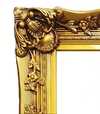
H24-GOLD ¥30
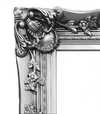
H24-SILVER ¥30
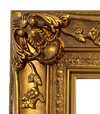
H36-GOLD ¥70
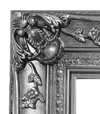
H36-SILVER ¥70
采用保护管包装寄送,方便您交由专业的装裱师进行装裱。
增值服务
可选附加内容包含哪些内容?
可定制内容示例:将面部替换为客户照片;添加宠物(例如,将猫替换为狗);在背景中加入隐藏信息;更改背景风景或元素。
下单后,TopImpressionists.com 团队将通过电子邮件联系客户获取具体指令,并提供效果预览图
全球送达 () 仅需 3/4 周,而非标准 4/5 周 (27 December)。品质始终如一,绝不妥协。
保护性清漆
展品铭牌
青铜铭牌雕刻详情
这款优雅的铭牌刻有艺术家姓名与作品名称,工艺精湛,呈现永恒之美。
采用青铜材质打造,表面处理细腻优雅。文字经激光精密雕刻,字迹清晰且永不褪色。铭牌尺寸为 9x2 厘米,小巧精致且易于阅读。材质坚固耐用、抗刮擦,呈现出专业博物馆级的质感。随附背胶,安装简便。
透明亚克力铭牌详情
铭牌包含精美的雕刻细节,包括艺术家姓名、作品名称、创作日期、媒介类型(如布面油画或水彩)、作品简介,以及可跳转至作品完整信息的二维码。
采用透明亚克力材质打造,外观简约现代。文字采用黑色UV雕刻工艺,确保视觉对比鲜明。尺寸为10x15厘米,确保极佳的阅读体验。配备两个金属挂钩,可稳固地安装在墙面上。铭牌设计具备耐候性,适用于多种环境,并包含可与智能手机扫描无缝衔接的互动功能。
黑色亚克力铭牌详情
这款优雅的铭牌包含刻有艺术家姓名、作品名称、创作日期、媒介类型(如布面油画或水彩)、作品简介以及用于快速获取更多信息的二维码。
铭牌采用精选黑色亚克力材质,表面处理工艺考究,质感高级。文字采用白色激光雕刻,对比度高,清晰易读。尺寸为10x15厘米,设计便于阅读。配有两枚金属挂钩,便于专业安装。设计风格简约,适配各种室内风格。此外,铭牌具有耐候性且经久耐用,并内置数字化集成功能,可实现移动端兼容。
玻璃选项仅适用于110厘米以下的尺寸。
 玻璃选项仅适用于110厘米以下的尺寸。
- 全球免运费特快专递服务
- 优质亚麻画布
- 全程运输保险
- 关税退款保证
- 色彩精准还原保证
- 100天无忧退货,全额退款
- 100% 退款保证
- 多件购买优惠


Found:马克斯·克林格尔 与Symbolism时期的经典之作
Two figures kneel in despair beneath a suspended form in this dramatic monochromatic etching filled with dense, swirling cross-hatching.
关于作品
The Artwork Found by Max Klinger
In the quiet tension of Found, the viewer encounters a scene of profound emotional distress. Max Klinger, born in 1857 in Leipzig, Germany, presents a vision that feels caught in a moment of sudden, sharp anguish. The composition draws the eye upward through a pyramidal arrangement, where two figures kneel in supplication at the base. Above them, a third figure remains suspended on a rigid rectangular plane, creating a sense of unsettling verticality. The atmosphere is heavy with a feeling of helplessness, as if the figures are trapped within a swirling chaos of lines that refuse to settle.
The imagery suggests a narrative of torment or judgment, though the exact nature of the suffering remains a mystery. Shadows and highlights dance across the forms, emphasizing the intensity of the facial expressions and the physical strain of the subjects. There is a palpable sense of unease in the way the figures interact with the space around them. The scene does not offer the comfort of a clear light source, leaving the viewer to navigate the deep shadows and the turbulent, textured background that seems to pulse with internal turmoil.
Composition and Visual Elements
A heavy, pyramidal structure dictates the movement of the scene, pulling the eye upward through a tense arrangement of forms. At the base, two figures kneel in a state of supplication, their bodies anchoring the bottom of the triangle. Above them, a third figure remains suspended on a rigid, rectangular plane, creating a jarring contrast between the organic curves of the human forms and the unyielding geometry of the platform. This vertical tension holds the viewer in a state of suspended animation, caught between the grounded suffering below and the hovering presence above.
The background refuses to remain still. Dense, swirling lines churn through the space, suggesting a world in a state of constant, chaotic turmoil. These lines wrap around the figures, blurring the distinction between the subjects and the atmosphere surrounding them. Light and shadow dance unevenly across the scene, with deep, heavy blacks clashing against pale highlights to emphasize the emotional weight of the figures. The perspective feels strangely flattened, yet the layering of these dark, textured shapes creates a sense of depth that pulls the viewer into the center of the struggle.
Technique and Artistic Materials
The scene emerges from a monochromatic world, where every shadow and highlight relies on a careful dance of gray tones. This is the result of a meticulous printmaking process, likely an etching or an engraving. One can almost feel the physical resistance of the metal plate as the artist uses sharp etching needles to incise deep, deliberate lines into the surface. These marks do not merely outline forms; they build a dense, textured landscape through heavy cross-hatching that catches the light and holds the darkness in place.
The materials used in this creation speak to a tactile, hands-on labor. A metal plate, perhaps zinc or copper, receives the initial wounding of the needle, creating the channels that will eventually hold the ink. Once the incised lines are ready, ink is pressed into these grooves, transferring the soul of the plate onto paper. This method allows for a staggering level of detail, where the swirling, chaotic lines of the background and the sharp, angular contours of the figures emerge from the interplay of ink and fiber.
Style and Artistic Movement
The work breathes with the heavy, restless energy of late 19th-century Expressionism. Every line seems to vibrate with an internal tension, pushing beyond mere representation to capture a raw, psychological state. This approach finds a striking kinship with the visual language of Edvard Munch, where the external world bends and twists to mirror the turbulence of the human spirit. The figures do not simply exist in space; they appear caught in a moment of profound emotional upheaval, their forms shaped by the weight of what they feel rather than the strict rules of anatomy.
At its core, the piece is deeply rooted in the Symbolist movement. It moves away from the literalism of the natural world to explore the shadowy, subjective realms of the subconscious. Rather than depicting a clear, objective reality, the imagery functions through a language of signs and metaphors that point toward deeper, unseen truths. The atmosphere is thick with the sense of a dream or a nightmare, where the boundaries between the physical self and the internal psyche begin to dissolve into a swirl of dark, textured lines.
Emotional and Symbolic Themes
Anguish and fear pulse through the scene, casting a heavy shadow over the figures. A profound sense of desperation grips the viewer as the subject matter unfolds, depicting a moment of intense emotional distress and torment. The two kneeling figures at the base of the composition seem trapped in a state of supplication, their bodies conveying a deep-seated helplessness. Above them, a third figure remains suspended on a rigid rectangular plane, watching the suffering below. This triangular arrangement creates a palpable tension, suggesting a heavy power dynamic or the weight of an inevitable judgment.
Chaos swirls in the background, where dense, agitated lines churn like a storm. These movements suggest a state of inner turmoil or perhaps the presence of overwhelming external forces acting upon the souls depicted. The darkness and light do not merely define form; they heighten the psychological weight of the moment. Every line contributes to an atmosphere of unease, as if the very air around the figures is thick with their collective despair. The struggle feels immediate, caught in a perpetual state of spiritual or emotional crisis.
Related Works by Max Klinger
The shadows of the artist's imagination stretch into other graphic cycles, where the boundaries between reality and the subconscious continue to blur. In the series Paraphrase on the Finding of a Glove, a single lost object transforms into a potent fetish, triggering a sequence of dreamlike visions and unsettling encounters. This narrative exploration of desire and loss finds a musical counterpart in the Brahms Fantasies from 1894, where the artist translates the spirit of composition into visual form. These works reveal a mind preoccupied with the hidden currents of human longing and the irrational forces that govern our inner lives.
Other explorations move through the realms of myth and movement. The artist's hand traces the tension found in The Rape of Prometheus and the rhythmic energy of Preparation for the dance. Each piece acts as a window into a world where the physical and the psychological are inseparable. Whether through the meticulous lines of an etching or the heavy presence of a sculpture, the artist's vision remains fixed on the tension between the seen world and the unseen impulses that drive it.
常见问题与解答
Found 的这件复制品是手绘的还是印刷的?
手工绘制:由专业画家在亚麻画布上,以油画形式临摹 Found。
Found 我该选择什么尺寸?
尺寸从 36.3 x 27.5 cm (¥1634) 到 241.8 x 183.4 cm (¥10907) 不等;本页表格列出了主要步骤及其价格。
物流配送需要多长时间?
送货时间为 4 至 5 周,并提供全球免费快递服务;本页面还提供加急制作选项。您可以在 100 天内无条件退货并获得全额退款。
马克斯·克林格尔 在创作《Found》时使用了什么媒介?
Etching
艺术速览与艺术小测验
关于 马克斯·克林格尔

马克斯·克林格尔
1857 - 1920, 德國
关于 马克斯·克林格尔 的简介
- Artistic Movement Or Style: 象征主义
- Artists Or Movements Influenced By This Artist: ['医学诠释学']
- Artists Who Influenced This Artist:
- 门策尔
- 戈雅
- Date Of Birth: 1857年
- Date Of Death: 1920年
- Full Name: 马克斯·克林格
- Nationality: 德国国籍
- Notable Artworks (List Of Titles):
- 寻找手套
- 贝多芬雕塑
- 公牛
- 使团
- 三月之日III
- 洞穴
- Place Of Birth (City And Country): 德国莱比锡


马克斯·克林格尔
Found
() ·
含框总尺寸: · 亚麻布油画手绘
总计