


 实景预览
实景预览
 发送
发送 分享
分享
 详情
详情 指南
指南

 下载图片
下载图片
 相似作品
相似作品 X射线
X射线 幻灯片播放
幻灯片播放 统计数据
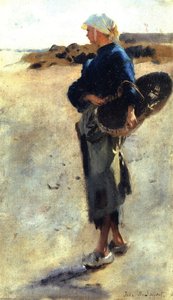
统计数据The Parrot Man


Discover Max Liebermann’s ‘The Parrot Man,’ a vibrant Impressionist oil painting capturing urban life & exotic beauty. Explore rich textures & expressive lines in this unique 19th-century artwork.
 阅读全文
阅读全文
马克斯·利伯曼(1847-1935)是德国印象派的代表画家,以描绘现代都市生活、充满光影的风景和深刻的人物肖像而闻名。他是柏林分离派的重要领导者,作品反映了时代精神和社会变迁,对德国艺术发展影响深远。
艺术微喷/版画
博物馆级艺术微喷或帆布版画,制作高效,并提供多种饰面选择。 ( 订购此收藏品的纯手工复刻画作 切换至数字图像销售渠道)




P118B ¥10

P118H ¥10

P118W ¥10

P438Z ¥10

P508JH ¥12

P508YH ¥12

P805H ¥10

P805Z ¥10

P919BZ ¥10

P919G ¥10

P919XJ ¥10

P959ZH ¥10

P968JZ ¥12

W106C ¥8

W218G ¥10

W218JH ¥8

W218Y ¥10

W307PJ ¥10

W316G ¥10

W316PJ ¥8

W316Y ¥10

W398PJ ¥8

W4111J ¥10

W500HY ¥15

W500JH ¥15

W692G ¥12

W849H ¥8

W940BG ¥15

W953PJ ¥8




标准尺寸
定制
CM
INCH
您可以从与原作比例一致的预设尺寸中进行选择。
Loading sizes...

宽度
高度
您可以输入自定义尺寸,以适配特定的画框或空间。如果您选择的尺寸与原图比例不符,我们将对作品进行裁剪,或通过镜像填充/纯色填充边缘的方式来扩展图像。在开始制作之前,我们会向您发送一份数字效果图供您确认。
请注意,屏幕上的预览并不能反映实际的裁剪或扩展效果。只有效果图才能准确展示最终的构图。
虽然我们提供定制尺寸,但为了保持原图比例,我们建议您从预设列表中选择尺寸。


 玻璃选项仅适用于110厘米以下的尺寸。

The Parrot Man
艺术微喷/版画
复刻品尺寸说明
-


总计金额
¥ 464
A Vibrant Snapshot of Urban Life
Max Liebermann's “The Parrot Man,” painted in 1902, isn’t merely a depiction of a street vendor; it’s a carefully constructed tableau brimming with the energy and complexities of early 20th-century Berlin. The painting captures a scene unfolding on what appears to be a bustling promenade or park – a vibrant hub of commerce and casual encounters. Liebermann masterfully uses loose, impressionistic brushstrokes to convey not just the visual appearance but also the atmosphere of the moment: a sense of lively movement, dappled light, and the slightly chaotic beauty of everyday life. The composition is dominated by the central figure of the vendor, his posture radiating confidence as he displays his exotic wares – a collection of brilliantly colored parrots perched on his arms. The blurred background figures, rendered with quick, expressive lines, suggest a continuous flow of activity, drawing the viewer into this intimate slice of urban existence.
Impressionistic Technique and Layered Texture
Liebermann’s technique is a fascinating blend of realism and impressionism. He meticulously observes the details – the folds in the vendor's clothing, the texture of the pavement, the iridescent sheen of the parrot feathers – yet he deliberately avoids photographic precision. Instead, he employs thick impasto brushwork, particularly noticeable on the birds themselves, creating a rich, tactile surface that invites close inspection. The use of color is equally deliberate; blues and greens dominate, reflecting the natural environment, while bursts of red from the parrots inject energy and visual interest. The flattened perspective, characteristic of Impressionism, contributes to the painting’s immediacy, pulling the viewer directly into the scene. Liebermann's skillful manipulation of light and shadow adds depth and a sense of realism despite the overall loose style.
Symbolic Layers: Commerce, Exoticism, and Berlin Identity
“The Parrot Man” is more than just a charming street scene; it’s laden with symbolic meaning. The vendor himself represents commerce and the entrepreneurial spirit of Berlin at the turn of the century – a city rapidly modernizing and embracing new economic opportunities. The parrots, imported from distant lands, embody exoticism and the allure of the “new world,” reflecting Berlin's position as a gateway to Europe and beyond. However, there’s also an element of melancholy in the scene. The vendor’s focused gaze suggests a solitary profession, hinting at the isolation that can accompany commerce. Furthermore, the painting subtly captures the spirit of Berlin itself – a city teeming with life, diversity, and a unique blend of tradition and modernity.
A Legacy of Observation: Liebermann's Artistic Vision
Max Liebermann’s “The Parrot Man” exemplifies his distinctive approach to art. Born in 1847, he initially pursued a more conventional path but ultimately found his true calling in painting. Influenced by Impressionism and Realism, Liebermann developed a unique style characterized by keen observation, masterful technique, and a deep understanding of human psychology. His ability to capture fleeting moments of beauty and emotion resonated with audiences and cemented his place as one of Germany’s most important artists. Reproductions of “The Parrot Man” offer a captivating glimpse into this world, allowing viewers to appreciate Liebermann's artistic vision and the vibrant spirit of early 20th-century Berlin.
问答详情
建议如何打印“The Parrot Man”——什么尺寸,什么方向?
对于“The Parrot Man”,建议的打印设置尺寸为 Medium,方向为 Portrait。
"The Parrot Man" 的材质是什么,采用了哪种风格?
马克斯·利伯曼 (Mǎkèsī Lìbó'Màn) 的《The Parrot Man》 将 Oil On Canvas 技法与 Impressionism 流派风格完美融合。技法与流派分别描述了作品的创作手法及其艺术风格。
"The Parrot Man" 有艺术版画出售吗?
如需订购 马克斯·利伯曼 (Mǎkèsī Lìbó'Màn) 的《The Parrot Man》 的版画,只需在 本页 进行下单即可:采用棉质帆布或档案级画布纸制作的艺术版画。
“The Parrot Man”被归于哪位艺术家名下?
"The Parrot Man" 的创作者是 马克斯·利伯曼 (Mǎkèsī Lìbó'Màn)。该作品以 马克斯·利伯曼 (Mǎkèsī Lìbó'Màn) 的名义编入目录。
哪里可以买到马克斯·利伯曼 (Mǎkèsī Lìbó'Màn) 的《The Parrot Man》的手绘复制品?
您可以在 本页 直接订购 马克斯·利伯曼 (Mǎkèsī Lìbó'Màn) 的《The Parrot Man》 的手绘复制品:亚麻画布手工绘制油画复制品,按需定制。
"The Parrot Man" 属于 马克斯·利伯曼 (Mǎkèsī Lìbó'Màn) 艺术生涯中的哪个时期?
“The Parrot Man”属于马克斯·利伯曼 (Mǎkèsī Lìbó'Màn)艺术生涯中的Mature Period时期。这一分类将该作品与艺术家的创作发展历程联系在一起。
马克斯·利伯曼 (Mǎkèsī Lìbó'Màn) 的《The Parrot Man》 是否属于公有领域?
马克斯·利伯曼 (Mǎkèsī Lìbó'Màn) 的《The Parrot Man》 属于 属于公有领域 —— 其版权已过期。此版权状态决定了该作品图像的复制方式。
相关艺术品


艺术家简介
马克斯·利伯曼:光影中的生活与艺术
1847年,马克斯·利伯曼出生于柏林一个富裕的犹太家庭。他的艺术之路并非一帆风顺。最初,他遵从家人的期望,在柏林大学学习法律和哲学。然而,真正的激情却在他拿起画笔的那一刻被点燃。这段早期的学术经历无疑塑造了他敏锐的观察力和对世界深刻的思考方式。真正激发他艺术热情的转折点在于他在魏玛、巴黎和荷兰的学习生涯,这些地方让他接触到不同的绘画风格,为日后定义其职业生涯——捕捉瞬间光影变化的出色敏感力奠定了基础。利伯曼并非仅仅描绘他所见之物,而是将体验的本质转化为画布上的视觉语言。他的早期作品常常描绘日常生活场景,特别是工人阶级的生活,以一种自然主义手法呈现,挑战了当时流行的浪漫主义审美。这些画作并非社会评论,而是对人类存在的诚实写照,充满尊严和尊重。拥抱印象主义的德国语境
利伯曼的艺术发展深受法国现实主义影响,更重要的是,新兴的印象派运动对他产生了深刻的影响。爱德华·马奈的精神——他的大胆、他对学院惯例的反叛、他对当代生活的热情——深深地触动了利伯曼。然而,他并没有简单地复制巴黎所见之物,而是将这些原则融入到德国的文化语境中,创造出一种独一无二的德国印象主义风格。他的调色板变得更加明亮,笔触更加自由奔放,主题也逐渐转向资产阶级休闲生活和他在万湖畔花园中的宁静美景。特别是这个花园,贯穿了他职业生涯的大部分时间,为他提供了一个远离快速变化的世界的避风港,并为他对光线和氛围的探索提供了源源不断的灵感。他不仅仅是画花卉和树叶,而是捕捉夏天的感觉、阳光的温暖以及微风吹拂树叶的轻柔之声。除了风景画之外,利伯曼还是一位备受追捧的肖像画家,完成了超过200幅委托作品,其中包括阿尔伯特·爱因斯坦和保罗·冯·兴登堡等著名人物的标志性描绘。这些肖像并非简单的容貌复制,而是对人物性格的深刻研究,通过微妙的手势和表情揭示了他们内心的世界。艺术自由的倡导者
利伯曼不仅仅满足于绘画创作,他还积极倡导艺术创新与独立。他意识到传统艺术机构施加的限制,因此在1898年成为柏林分离派运动的领导力量,并带领这个先锋团体超过十年。分离派挑战了传统的规范,为那些在学院传统之外工作的艺术家提供了一个平台。他对艺术自由的承诺超越了他的个人作品;利伯曼坚信艺术家应该能够自由地探索他们的愿景,而不受政治或意识形态压力的干扰。他于1909年当选普鲁士艺术科学院院士,并随后于1920年担任院长,这证明了他对德国艺术界日益增长的影响力。然而,这些职位也让他直面不断上升的反犹主义和民族主义浪潮,最终威胁到他一生的工作成果。变幻世界的阴影:遗产与韧性
纳粹主义的兴起给利伯曼晚年投下了黑暗的阴影。他对歧视采取原则立场导致他在1933年辞去了普鲁士艺术科学院院长职务,这是一个勇敢的行为,表明他拒绝妥协自己的价值观。尽管面临日益严重的迫害,他仍然坚持绘画创作,在艺术中找到慰藉和目标。1935年,利伯曼在柏林去世,留下了一系列丰富的画作、版画以及对艺术自由的深刻承诺。他的妻子玛莎在1943年自杀以避免被驱逐出境,这是大屠杀悲惨后果的心碎证明。战争结束后多年,利伯曼的作品一度被忽视,但在近几十年里,人们对他为德国印象主义和现代艺术史做出的贡献给予了新的重视。今天,他不仅被铭记为一位才华横溢的画家,还是一位勇敢的艺术表达倡导者以及反抗暴政的象征。他的画作继续以其绚丽的光芒、深刻的观察力和持久的人性魅力吸引着观众。主要成就与持久影响
- 《十二岁的耶稣在圣殿中》: 这部早期的作品因其对具有语义特征的耶稣形象的非常规描绘而引发了相当大的争议,挑战了传统的宗教图像学。
- 领导柏林分离派运动: 他在领导这一先锋运动中的关键作用挑战了艺术规范,为德国现代艺术铺平了道路。
- 普鲁士艺术科学院院长: 这是对他艺术成就的重要认可,尽管最终因纳粹主义的兴起而受到损害。
- 精湛的肖像画技: 他在超过200幅委托肖像作品中捕捉人物本质的能力巩固了他作为领先肖像画家声誉。
- 对德国印象主义的影响: 利伯曼成功地将印象派原则融入到独特的德国语境中,激励了整整一代艺术家。

马克斯·利伯曼 (Mǎkèsī Lìbó'Màn)
1847 - 1935 , 德国
快速概览
- Artistic Movement Or Style: 印象派
- Artists Or Movements Influenced By This Artist: ['德国印象派']
- Artists Who Influenced This Artist: ['爱德华·马奈']
- Date Of Birth: 1847年7月20日
- Date Of Death: 1935年2月8日
- Full Name: 马克斯·利伯曼
- Nationality: 德国国籍
- Notable Artworks (List Of Titles):
- 十二岁的耶稣…
- 荷兰农舍妇人
- 马克斯·林德博士肖像
- Place Of Birth (City And Country): 德国柏林
相关文章

The Timeless Beauty of Oil on Panel: Capturing Light and Texture through the Impressionist Lens
Discover the exquisite depth of oil on panel. Explore how Impressionist masters captured light and texture through tactile brushwork, and learn how to bring these museum-quality, hand-painted masterpieces into your home with expert curation.

Capturing the Soul: The Ethereal Magic and Timeless Technique of Impressionist Portraiture
Discover the ethereal beauty of Impressionist portraiture. Explore how masters like Monet and Renoir captured light and soul through brushwork, and learn how to bring this timeless magic into your home with exquisite, hand-painted oil reproductions from TopImpressionists.com.

The Soul of Impressionism: Why Oil on Canvas Captures Eternal Light and Timeless Emotion
Discover the enchanting alchemy of Impressionism. Explore how the mastery of oil on canvas, through glazing and impasto, captures eternal light and emotion. Perfect for lovers of Monet and Van Gogh seeking the profound depth of hand-painted fine art.

The Timeless Charm of Oil on Board: Reimagining Texture and Light through the Impressionist Lens
Discover the profound intimacy of oil on panel. Explore how Impressionist masters used rigid supports to capture light, texture, and impasto depth through exquisite, handmade oil reproductions for discerning collectors.

From Fleeting Moments to Eternal Masterpieces: Transform Your Memories into Bespoke Impressionist Oil Paintings
Elevate your cherished memories with TopImpressionists.com. We transform your photos into exquisite, hand-painted Impressionist oil masterpieces. Experience the timeless texture of real brushstrokes and professional artistry to create a lasting legacy for your home.
