
 AcrylicWallArtImpressionist Landscape
 1914
1914 73.0 x 95.0 cm
 巴伐利亚国家绘画馆




























从与原作比例一致的预设尺寸中进行选择。

您可以输入自定义尺寸,以适配特定的画框或空间。如果所选尺寸与原图比例不符,我们将通过裁剪作品或添加手绘元素来扩展画面。数字样稿将在制作开始前发送给您确认。
请注意,屏幕预览无法准确反映实际的裁剪或扩展效果,只有样稿才能真实呈现最终的构图。
虽然我们提供定制尺寸服务,但为了保留原作比例,建议您从预设列表中选择尺寸。

Sailing into Syracuse Harbor
复制品尺寸

马克斯·斯莱沃格是德国印象派绘画中一座不可撼动的里程碑。他以对风景的精湛描绘以及捕捉自然界转瞬即逝之美的卓越敏锐度而闻名于世。这位1868年出生于巴伐利亚兰茨胡特的艺术家,开启了一段非凡的艺术征程:他的创作从最初阴郁、带有学院派色彩的色调素描,逐渐演变为充满光影与色彩的绚丽画布——这种风格的转变,正是世纪之交重塑欧洲艺术潮流那场宏大运动的缩影。在慕尼黑学院度过的早年时光里,他致力于磨炼技艺,起初受当时盛行的学院派风格影响,他的调色板偏向深沉,笔触也较为厚重。
然而,1889年那次决定性的巴黎之行,点燃了他艺术灵魂深处的深刻变革。在接触到以爱德华·马奈为代表的大师所倡导的革命性思想后,斯莱沃格的艺术视野被推向了一种更为大胆的境界,开始将对自然世界的直接观察置于核心地位。这次与法国先锋派的邂逅,为他的笔触注入了生命力,激励他拥抱户外写生(plein air)的创作方式,去追寻光影在风景中那转瞬即逝的舞动。他的作品开始散发出一种大气层般的生命律动,逐渐脱离了僵化的画室构图,转向一种更加自发、更具感官冲击力的现实参与。
尽管斯莱沃格的创作产出极其丰硕,涵盖了插画、肖像画及风俗画等多种题材,但风景画始终占据着其宏伟作品集的核心地位。他因对巴伐利亚阿尔卑斯地区的传神描绘而声名大噪,尤其是纽卡斯特尔(Neukastel),那里不仅成为了他终身的居所,更是他永恒的灵感泉源。他的画布因能够捕捉光影之间极其微妙的细微差别而备受赞誉,他对纹理与色彩近乎苛求的关注,使他在众多同时代艺术家中脱颖而出。
这位艺术家的技术演进呈现出几个关键特征:
除了风景画中那份宁静之美,斯莱沃格还拥有一种捕捉人类历史厚重感的卓越能力。他的后期作品反映出一种对世界更深层、更忧郁的介入,包括对埃及风情的动人描绘以及对第一次世界大战残酷景象的深刻刻画。这种从田园诗意向深邃沉思的转换能力,正是定义其艺术伟大的情感跨度。
除了个人的艺术成就,斯莱沃格在文化机构中的活跃表现,进一步巩固了他在魏玛德国知识分子圈中的地位。作为柏林分离派和普鲁士艺术学院的杰出成员,他始终处于那个时代最重要审美辩论的核心。他既拥抱先锋精神,又始终坚守着对传统艺术原则的承诺,这使他能够架起古典训练与现代创新之间的桥梁。
他的多才多艺甚至延伸到了表演艺术领域;值得一提的是,他曾为莫扎特的歌剧《唐·乔万尼》设计舞台布景,展示了他将绘画愿景转化为戏剧空间的能力。通过在《Simplicissimus》等杂志上的创作,以及他对德国印象派持久的影响,马克斯·斯莱沃格在艺术史上留下了不可磨灭的印记。对于任何被光影交织、色彩变幻以及自然永恒精神所感动的人来说,他始终是一位令人心驰神往的艺术大师。

1868 - 1932 , 德国
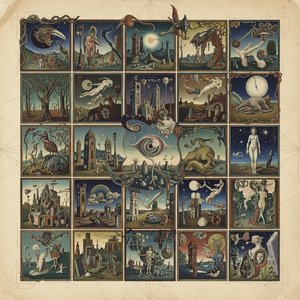
探索马克斯·恩斯特25幅大师级作品,领略超现实主义的奇幻魅力!深入了解达达主义先驱的艺术生涯、创新技法与梦境般的视觉世界。TopImpressionists.com提供高品质艺术复制品,为您的家居装饰增添永恒之美。立即在线探索完整系列!

Journey through 10 breathtaking landscape paintings by Monet, Van Gogh & more! Explore iconic artworks, artistic techniques & find inspiration for your home decor. Museum-quality reproductions at TopImpressionists.com. Discover all masterpieces on TopImpressionists.com

Sail away with 10 iconic boat paintings! Explore masterpieces by Monet, Van Gogh & Turner. Discover the stories behind these timeless seascapes and find museum-quality art reproductions for your home decor at TopImpressionists.com.

Explore the rich history of landscape art with TopImpressionists. Discover renowned artists, movements like Impressionism & Romanticism, and expert guidance for collecting timeless pieces. Find your perfect serene escape today!

Explore the rich history of landscape art with TopImpressionists. Discover renowned artists, movements like Impressionism & tonalism, and expert guidance for collecting timeless pieces. Find your perfect serene escape today!


第一时间获取最新的艺术新闻、独家优惠及装饰灵感。
向我们介绍您的项目需求,我们的艺术专家将为您提供 3 个个性化的艺术品推荐。
由我们的专家为您精选 3 款心仪之作 —— 完全免费!


 效果预览
效果预览
 购买印刷品
购买印刷品 分享
分享 分享
分享
 详情
详情

 下载
下载
 相似作品
相似作品 X射线
X射线 幻灯片播放
幻灯片播放 展开详情
展开详情









 玻璃选项仅适用于110厘米以下的尺寸。


