

 实景预览
实景预览
 分享
分享 分享
分享
 详情
详情 指南
指南

 下载作品
下载作品
 相似作品
相似作品 X射线
X射线 幻灯片播放
幻灯片播放 Q&A
Q&A 统计数据
统计数据Masked Flower

- 108.0 x 54.0 cm


Explore Meret Oppenheim's 'Masked Flower,' a surreal sculpture blending organic forms and hidden textures. A captivating blend of nature, disguise, and unsettling beauty.
 展开全文
展开全文
German-Swiss Surrealist Meret Oppenheim (1913-1985) challenged norms with provocative art & photography, most famously her fur-covered teacup 'Object'. A key figure in the surrealist movement.
艺术微喷/版画
博物馆级艺术微喷或帆布版画,制作高效,并提供多种饰面选择。 ( 订购纯手工绘制画作 切换至数字图像销售渠道)




P118B ¥10

P118H ¥10

P118W ¥10

P438Z ¥10

P508JH ¥12

P508YH ¥12

P805H ¥10

P805Z ¥10

P919BZ ¥10

P919G ¥10

P919XJ ¥10

P959ZH ¥10

P968JZ ¥12

W106C ¥8

W218G ¥10

W218JH ¥8

W218Y ¥10

W307PJ ¥10

W316G ¥10

W316PJ ¥8

W316Y ¥10

W398PJ ¥8

W4111J ¥10

W500HY ¥15

W500JH ¥15

W692G ¥12

W849H ¥8

W940BG ¥15

W953PJ ¥8




标准尺寸
定制
CM
INCH
您可以从与原作比例一致的预设尺寸中进行选择。
Loading sizes...

宽度
高度
请输入您所需的宽度和高度,以适配您的画框或墙面。由于印刷品只能进行裁剪,无法超出原图尺寸,因此若比例不一致,画面的一部分将会被裁切。在正式印刷之前,我们会为您发送一份数字效果图供您确认。本页面显示的图片并非最终裁剪后的效果——只有效果图才能展示真实的裁剪情况。


 玻璃选项仅适用于110厘米以下的尺寸。

Masked Flower
艺术微喷/版画
复刻品尺寸
-


最终结算价
¥ 463
A Silent Bloom: Meret Oppenheim’s “Masked Flower”
Meret Oppenheim's "Masked Flower" (1958) isn’t merely a sculpture; it’s an invitation to contemplate the delicate balance between beauty and concealment, nature and artifice. Born in Berlin amidst the turbulent backdrop of pre-war Europe, Oppenheim’s artistic journey was shaped by a profound exposure to diverse influences – from the vibrant Expressionism of her youth to the revolutionary ideas of Carl Jung and the groundbreaking experimentation of Surrealism. This piece, created during a period of intense introspection for the artist, embodies these influences in a strikingly intimate and unsettling way.
At first glance, the sculpture presents a deceptively simple arrangement: a smooth, white, organically shaped form – reminiscent of a blossoming flower bud or perhaps a stylized vase – resting upon a rough-hewn wooden base. However, closer inspection reveals a subtle yet powerful tension. The pristine whiteness of the upper element contrasts dramatically with the weathered texture and irregular contours of the base, creating an immediate visual dialogue between smoothness and roughness, delicacy and strength. This juxtaposition immediately draws the viewer in, prompting questions about their relationship to each other and to the artwork as a whole.
Deconstructing the Object: Surrealist Techniques and Materiality
Oppenheim’s approach was deeply rooted in the principles of Surrealism, an artistic movement that sought to unlock the creative potential of the unconscious mind. She frequently employed techniques of appropriation and transformation, taking everyday objects – teacups, fur coats, furniture – and recontextualizing them to challenge conventional perceptions. “Masked Flower” exemplifies this strategy perfectly. The sculpture’s form is deliberately ambiguous, blurring the lines between botanical representation and abstract design. The choice of materials—cast plaster for the upper element and wood for the base—further enhances this effect, highlighting the inherent qualities of each substance while simultaneously creating a sense of discordance.
Notably, the surface of the white form is meticulously polished to an almost unnerving sheen, contrasting sharply with the raw, tactile quality of the wooden base. This deliberate contrast isn’t merely aesthetic; it speaks to Oppenheim's fascination with duality and the hidden layers within seemingly simple objects. The sculpture invites us to consider how appearances can be deceiving, and how even the most familiar forms can conceal unexpected complexities.
Symbolism and Emotional Resonance
The title itself – “Masked Flower” – is laden with symbolic weight. Flowers are universally associated with beauty, fertility, and renewal, yet the ‘mask’ suggests concealment, secrecy, or even a deliberate attempt to obscure their true nature. This duality creates a powerful tension within the artwork, prompting us to contemplate themes of hidden potential, repressed desires, and the fragility of appearances. The sculpture can be interpreted as an exploration of the human psyche—a representation of the unconscious mind striving to break free from its constraints.
Furthermore, Oppenheim’s work often reflected her interest in Jungian psychology, particularly the concept of the ‘shadow self.’ The “mask” could represent this hidden aspect of our personality – the parts we keep concealed from others and even ourselves. The overall effect is profoundly evocative, stirring a sense of quiet contemplation and inviting viewers to project their own interpretations onto the artwork.
A Timeless Masterpiece: Reproduction and Legacy
“Masked Flower” remains a seminal work in the history of Surrealist art, demonstrating Oppenheim’s unique ability to transform ordinary objects into potent symbols. Reproductions capture the sculpture's textural richness and subtle nuances with remarkable fidelity, allowing viewers to appreciate its complexity and emotional depth. Whether displayed as a statement piece in a contemporary interior or studied within an academic setting, this artwork continues to resonate with audiences today, prompting reflection on the nature of beauty, concealment, and the human condition.
常见问题与解答
在哪里可以找到关于“Masked Flower”的指南?
针对 Meret Oppenheim 的《Masked Flower》,我们提供了一个 指南 页面:这是一份可打印的艺术品资料页,专为学生及课堂教学使用而设计。
Meret Oppenheim 的《Masked Flower》 是否收藏于艺术家的原籍国?
不,该作品目前存放于海外。“Masked Flower”现藏于瑞士,而Meret Oppenheim出生于Germany。
哪家博物馆收藏了《Masked Flower》的原作?
Meret Oppenheim 的《Masked Flower》 目前正在 Kunsthaus Zürich, 苏黎世, 瑞士 展出。此处列出的博物馆指代原作,而非复制品。
艺术家简介
Early Life and Influences
- Born: Berlin, Germany (1913)
- Died: 1985
- Named after Meretlein from Gottfried Keller's "Green Henry."
- Family moved to Delémont, Switzerland, due to her father’s military service during World War I.
- Exposure to art and artists at a young age in Switzerland.
- Inspired by her aunt, Ruth Wenger, and her modern lifestyle.
- Influenced by Modernism, Expressionism, Fauvism, and Cubism.
- Introduced to the writings of Carl Jung and began recording dreams, which became important sources for her art.
- The work of Paul Klee significantly influenced her artistic development.
Career and Artistic Development
- Moved to Paris in 1932 and attended the Académie de la Grande Chaumière.
- Participated in Surrealist exhibitions starting in 1933, associating with André Breton, Man Ray, Max Ernst, and others.
- First solo exhibition in Basel in 1936 at Galerie Schulthess.
- Artistic block began in 1937 after initial success; destroyed much of her work during this period.
- Returned to art in the 1950s, reverting to earlier styles and themes.
Major Works and Style
- Object (Le Déjeuner en fourrure) (1936): Her most famous artwork – a teacup, saucer, and spoon covered in fur. This piece explores themes of female sexuality, luxury, and the objectification of women.
- Her work often incorporated everyday objects arranged to evoke dreamlike or unsettling scenarios.
- Explored themes of femininity, exploitation, and the subconscious through her paintings and sculptures.
- Style characterized by a blend of Surrealism, Dada influences, and personal symbolism.
Historical Significance and Legacy
- Considered a leading figure in the Surrealist movement.
- Her work challenged conventional notions of art and gender roles.
- Object (Le Déjeuner en fourrure) became an iconic symbol of 20th-century art, acquired by MoMA shortly after its creation.
- Oppenheim's exploration of dreams, sexuality, and the subconscious continues to resonate with contemporary audiences.
- Her later work emphasized personal freedom and the "androgyny of the mind."
Key Influences and Artistic Circle
- Carl Jung: His theories on psychoanalysis and archetypes profoundly influenced her artistic themes and imagery.
- Paul Klee: Inspired by his abstract style and exploration of color and form.
- André Breton: A key figure in the Surrealist movement who encouraged and promoted her work.
- Marcel Duchamp & Max Ernst: Their conceptual approach to art influenced her use of everyday objects.
- Man Ray: Collaborated with Oppenheim on photographic works, including nude portraits.

Meret Oppenheim
1913 - 1985 , Germany
艺术家简介
- Full Name: Meret Elisabeth Oppenheim
- Nationality: Swiss-German
- Date Of Birth: 1913
- Date Of Death: 1985
- Place Of Birth: Berlin, Germany
- Notable Artworks: ['Object (Le Déjeuner en fourrure)']
- Artistic Movement Or Style: Surrealism
- Artists Who Influenced This Artist:
- Paul Klee
- Carl Jung
- Marcel Duchamp
- Max Ernst
- André Breton
相关文章

Bronze Sculptures That Defined Art History | TopImpressionists
Journey through art history with our Top 10 bronze sculptures! Explore masterpieces by Rodin, Michelangelo & more. Discover stories behind iconic statues and find museum-quality reproductions for your home decor at TopImpressionists.com.

Bronze Age to Modern Masters: 10 Sculptures That Redefined Art | TopImpressionists
Journey through art history with 10 legendary bronze sculptures – from Michelangelo's David to Rodin’s Thinker. Explore the stories, techniques & timeless beauty of these masterpieces. Find museum-quality reproductions & elevate your home decor on TopImpressionists.com.
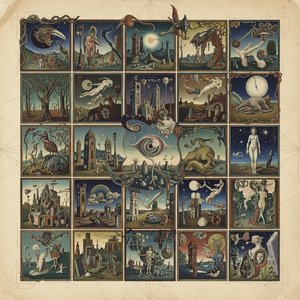
马克斯·恩斯特:25幅大师级作品,探索超现实主义的视觉盛宴 | TopImpressionists
探索马克斯·恩斯特25幅大师级作品,领略超现实主义的奇幻魅力!深入了解达达主义先驱的艺术生涯、创新技法与梦境般的视觉世界。TopImpressionists.com提供高品质艺术复制品,为您的家居装饰增添永恒之美。立即在线探索完整系列!

The Enduring Form: Sculpture Across History, Technique & Emotional Resonance
Explore the rich history of sculpture with TopImpressionists. Discover key techniques, influential artists & investment potential for discerning collectors. Expert insights into valuing and collecting timeless masterpieces.

The Enduring Form: Exploring Themes & Techniques in Sculpture Across Historical Periods
Explore the rich history of sculpture from ancient masterpieces to contemporary innovations. Discover key techniques, influential artists & investment potential for discerning art collectors.