

 实景预览
实景预览
 分享
分享 分享
分享
 详情
详情 指南
指南

 下载作品
下载作品
 相似作品
相似作品 X射线
X射线 幻灯片播放
幻灯片播放 问答
问答 统计数据
统计数据Spring in Kaunas


 展开全文
展开全文
艺术微喷/版画
博物馆级艺术微喷或帆布版画,制作高效,并提供多种饰面选择。 ( 订购纯手工绘制画作 切换至数字图像销售渠道)




P118B ¥10

P118H ¥10

P118W ¥10

P438Z ¥10

P508JH ¥12

P508YH ¥12

P805H ¥10

P805Z ¥10

P919BZ ¥10

P919G ¥10

P919XJ ¥10

P959ZH ¥10

P968JZ ¥12

W106C ¥8

W218G ¥10

W218JH ¥8

W218Y ¥10

W307PJ ¥10

W316G ¥10

W316PJ ¥8

W316Y ¥10

W398PJ ¥8

W4111J ¥10

W500HY ¥15

W500JH ¥15

W692G ¥12

W849H ¥8

W940BG ¥15

W953PJ ¥8




标准尺寸
定制
CM
INCH
您可以从与原作比例一致的预设尺寸中进行选择。
Loading sizes...

宽度
高度
请输入您所需的宽度和高度,以适配您的画框或墙面。由于印刷品只能进行裁剪,无法超出原图尺寸,因此若比例不一致,画面的一部分将会被裁切。在正式印刷之前,我们会为您发送一份数字效果图供您确认。本页面显示的图片并非最终裁剪后的效果——只有效果图才能展示真实的裁剪情况。


 玻璃选项仅适用于110厘米以下的尺寸。

Spring in Kaunas
艺术微喷/版画
复刻品尺寸
-


最终结算价
¥ 470
The Gentle Awakening: Capturing Spring's Spirit in Kaunas
Mstislav Dobuzhinsky’s 1923 watercolor, "Spring in Kaunas," is not merely a depiction of a season; it is an immersion into a moment of profound, quiet renewal. The painting washes over the viewer with the soft luminescence of early spring, transforming a specific landscape into a universal meditation on hope. One can almost feel the gentle warmth filtering through the air, carrying the scent of blossoming life. Dobuzhinsky masterfully captures this ephemeral quality, allowing the lush greens and delicate pastels to speak volumes about nature’s persistent cycle of rebirth.
A Symphony in Watercolor: Technique and Atmosphere
The technical brilliance of this piece lies in its handling of watercolor itself. The artist employs loose brushstrokes and translucent washes, techniques that lend the entire scene a breathy, atmospheric quality. There is no harsh edge; instead, colors bleed into one another—the blues meeting the pinks, the yellows mingling with various shades of green foliage. This blending creates depth while maintaining an ethereal softness. Compositionally, the eye is guided by the foreground fence, which acts as a subtle leading line drawing us deeper into the middle ground where trees and bushes undulate in organic forms. The background anchors this natural exuberance with the steadfast presence of Orthodox church spires, providing both scale and a counterpoint to the wildness of the flora.
Symbolism Woven into the Landscape
Beyond its immediate beauty, "Spring in Kaunas" resonates with deep symbolic weight. The blossoming flowers are the quintessential emblems of renewal, marking the passage from dormancy to vibrant life. Juxtaposed against this natural efflorescence is the prominent religious architecture. This pairing suggests a harmonious dialogue between the spiritual and the earthly—faith rooted deeply within the cycle of nature itself. It speaks to a tradition that finds its deepest meaning not in permanence, but in the continuous promise of return, the promise embodied by spring.
Echoes of Place and Time
While Dobuzhinsky is often known for his haunting explorations of urban decay, this work offers a beautiful counter-narrative. Painted in 1923, it captures a specific moment in the life of Kaunas, blending the enduring spirit of its culture with the vibrant energy of nature reclaiming space. The overall emotional impact is one of profound serenity mixed with an undeniable sense of anticipation—the hopeful sigh that accompanies the first truly warm day after a long winter. For collectors and designers alike, this piece offers not just decoration, but a palpable infusion of tranquil, optimistic energy into any space.
常见问题与解答
姆斯蒂斯拉夫·多布珠因斯基 的《Spring in Kaunas》 的复制品推荐用于哪些场景?
姆斯蒂斯拉夫·多布珠因斯基 的《Spring in Kaunas》 的建议用途为 Focal,同时也适用于其他场景。
在 姆斯蒂斯拉夫·多布珠因斯基 的《Spring in Kaunas》 中,艺术流派与时代背景是如何交汇的?
姆斯蒂斯拉夫·多布珠因斯基 的《Spring in Kaunas》 属于 Impressionism 流派,创作于其作者的 现代主义 时期。
姆斯蒂斯拉夫·多布珠因斯基 的《Spring in Kaunas》 适合作为送给谁的礼物?
若想表达Focal之意,将“Spring in Kaunas”作为送给Seasonal Gift的礼物是不错的选择。
相似作品


艺术家简介
姆斯蒂斯拉夫·多布珠因斯基:城市衰败的远见者
姆斯蒂斯拉夫·瓦莱里亚诺维奇·多布珠因斯基(1875-1957),这个名字或许不如他的同时代艺术家那样广为人知,但在俄罗斯艺术史上,他始终是一个具有深刻感染力的存在。这位出生于诺夫哥罗德并承袭立陶宛血统的艺术家,开创了一种独特的艺术语言,其核心是对城市衰败、工业景观以及现代性带来的心理创伤进行的忧郁探索。他的作品绝非仅仅是对残垣断壁的描绘,而是一种对孤独、焦虑以及在飞速变迁的城市阴影中那份令人不安的美感的直观表达。多布珠因斯基留给世人的遗产,在于他能够将20世纪俄罗斯平庸的现实转化为极具表现力的图像,这些画面至今仍能引起观众强烈的共鸣。早年生活与艺术训练
多布珠因斯基的艺术之旅始于一段谦逊的历程:他先是在诺夫哥罗德的艺术家促进协会绘画学校学习,随后在圣彼得堡帝国大学攻读法律,与此同时还坚持进行私人艺术学习。这种双重追求反映了他那永无止境的求知欲,并深刻影响了他后期的创作。至关重要的是,他曾接受过欧洲著名艺术家的正式训练——在慕尼黑师从安东·阿兹贝(Anton Ažbe),并在奥匈帝国师从西蒙·霍洛希(Simon Hollancsy)——这些经历让他接触到了当时蓬勃发展的青年风格(Art Nouveau)及其他当代运动的影响。这些早期的磨炼塑造了他的技术功底,并为他提供了更广阔的艺术词汇,他后来将这些元素融合成自己独特的风格。他与“艺术世界”(Mir iskusstva)圈子的结缘也起到了关键作用,这个艺术团体曾将18世纪理想化为优雅与精致的黄金时代,而这种视角最终促使他去直面现代城市生活中更为阴暗的一面。表现主义的城市景观
多布珠因斯基艺术突破的到来,源于他在俄罗斯工业化飞速发展和社会动荡时期对城市景观的探索。他拒绝了许多同时代艺术家所青睐的理想化表现,转而聚焦于工厂、廉租房和拥挤街道那粗粝的现实。他的调色盘常由忧郁的棕色、灰色和深红色主导——这些色彩既传达了环境的物理衰败,也传递了其中的情感强度。大胆的线条与剧烈的对比强化了城市生存中固有的幽闭恐惧感与疏离感。他的作品不仅仅是对建筑变迁的记录,更是一场对空间内人类生存状态的调查——描绘了在无情的进步浪潮中,那份孤独、绝望以及为了生存而进行的挣扎。虽然表现主义的影响力在其中不言而喻,但多布珠因斯基结合个人经验与观察,发展出了一种独具特色的俄罗斯感性。代表作品与艺术技法
几件核心作品完美诠释了多布珠因斯基的艺术愿景。例如,《普斯科夫》(1923)以细致入微的铅笔笔触捕捉了一座俄罗斯港口小镇忧郁的气氛,揭示了衰败中蕴含的微妙美感。《十月田园》(1905)则是他表现主义风格的一个尤为震撼的范例,通过大胆的线条和浓烈的红色,描绘了一幅充满暴力与贫困的残酷城市场景,见证了工业化时期俄罗斯令人不安的现实。此外,他为陀思妥耶夫斯基的《白夜》(192串)创作的插画,通过柔和的色调和极具感染力的构图,进一步展示了他通过视觉叙事传达复杂情感的能力。多布珠因斯基的造诣不仅限于绘画;他也是一位出色的舞台美术设计师,曾为巴黎、布鲁塞尔等地的戏剧制作做出重要贡献,这种多才多艺彰显了他艺术深度的广度。遗产与历史意义
姆斯蒂斯拉夫·多布珠因斯基的作品作为20世纪初期俄罗斯的文献,具有重要的历史价值。他捕捉到了国家转型中的关键时刻——从农业社会向工业大都市的过渡——并对其带来的社会与心理后果提出了批判性的视角。他对城市衰败毫不退缩的描绘,挑战了传统的审美与进步观,迫使观众去面对现代性中那些令人不安的真相。尽管他的作品在生前并未获得广泛的声誉,但此后已被公认为俄罗斯表现主义的重要贡献,是现代时代焦虑与不确定性的有力反映。他的影响力在后世艺术家身上清晰可见,他们继续探索城市疏离感与社会批判的主题。时至今日,多布珠因斯基那令人难忘的城市景观依然能引发人们对人类与环境关系的深思,提醒着我们艺术拥有照亮美与黑暗的双重力量。
姆斯蒂斯拉夫·多布珠因斯基
1875 - 1957 , 俄罗斯
艺术家简介
- Artistic Movement Or Style: 表现主义,城市风景
- Artists Or Movements Influenced By This Artist: ['艺术世界 (Mir iskusstva)']
- Artists Who Influenced This Artist:
- 安东·阿兹贝 (Anton Ažbe)
- 西蒙·霍洛希 (Simon Hollósy)
- Date Of Birth: 1875年8月14日
- Date Of Death: 1957年11月20日
- Full Name: 姆斯蒂斯拉夫·瓦莱里亚诺维奇·多布任斯基 (Mstislav Valerianovich Dobuzhinsky)
- Nationality: 俄罗斯-立陶宛
- Notable Artworks:
- 暮色
- 普斯科夫
- 十月田园诗
- Place Of Birth: 俄罗斯,诺夫哥罗德
相关文章
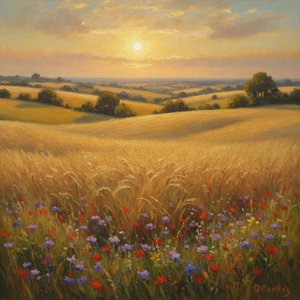
Golden Fields & Sun-Drenched Meadows: Capturing the Soul of Impressionist Landscapes
Immerse yourself in the luminous world of Impressionist landscapes. Discover how masters like Monet and Gauguin captured ephemeral light through plein air painting, and learn to bring the soul of sun-drenched meadows into your home with exquisite, hand-painted oil reproductions.

The Beauty of Impermanence: Capturing Decay through Impressionist Eyes
Explore the profound beauty of impermanence through Impressionist and Post-Impressionist eyes. Discover how masters like Monet and Van Gogh captured fleeting light and the poetic essence of nature's transitions in our deep dive into art history and emotional landscapes.

Capturing Light: The Ethereal Beauty and Timeless Legacy of Watercolor Landscapes
Embark on a visual journey through the ethereal beauty of watercolor landscapes. Discover how Impressionist masters captured light and emotion, and learn to bring this timeless, luminous elegance into your home with expert art curation and hand-painted reproductions.

Capturing the Soul: The Most Emotionally Moving Impressionist and Post-Impressionist Masterpieces
Discover the profound emotional depth of Impressionist and Post-Impressionist masterpieces. Explore how legends like Monet, Van Gogh, and Gauguin captured light and soul through evocative landscapes and vibrant brushwork for a timeless connection to art history.

Beyond the Light: Capturing Raw Emotion and Subjective Vision in Post-Impressionist Landscapes
Explore the profound emotional depth of Post-Impressionist landscapes. Discover how masters like Van Gogh moved beyond light to capture raw human feeling through vibrant color and expressive texture in this expert art history retrospective.